
Syria Accelerates Tourism Recovery in 2026 With SyrianAir Expansion and Airport Rehabilitations
Syria is aggressively rebuilding its tourism infrastructure in 2026, leveraging a massive surge in visitor arrivals and the strategic expansion of SyrianAir to reconnect with European and regional markets.

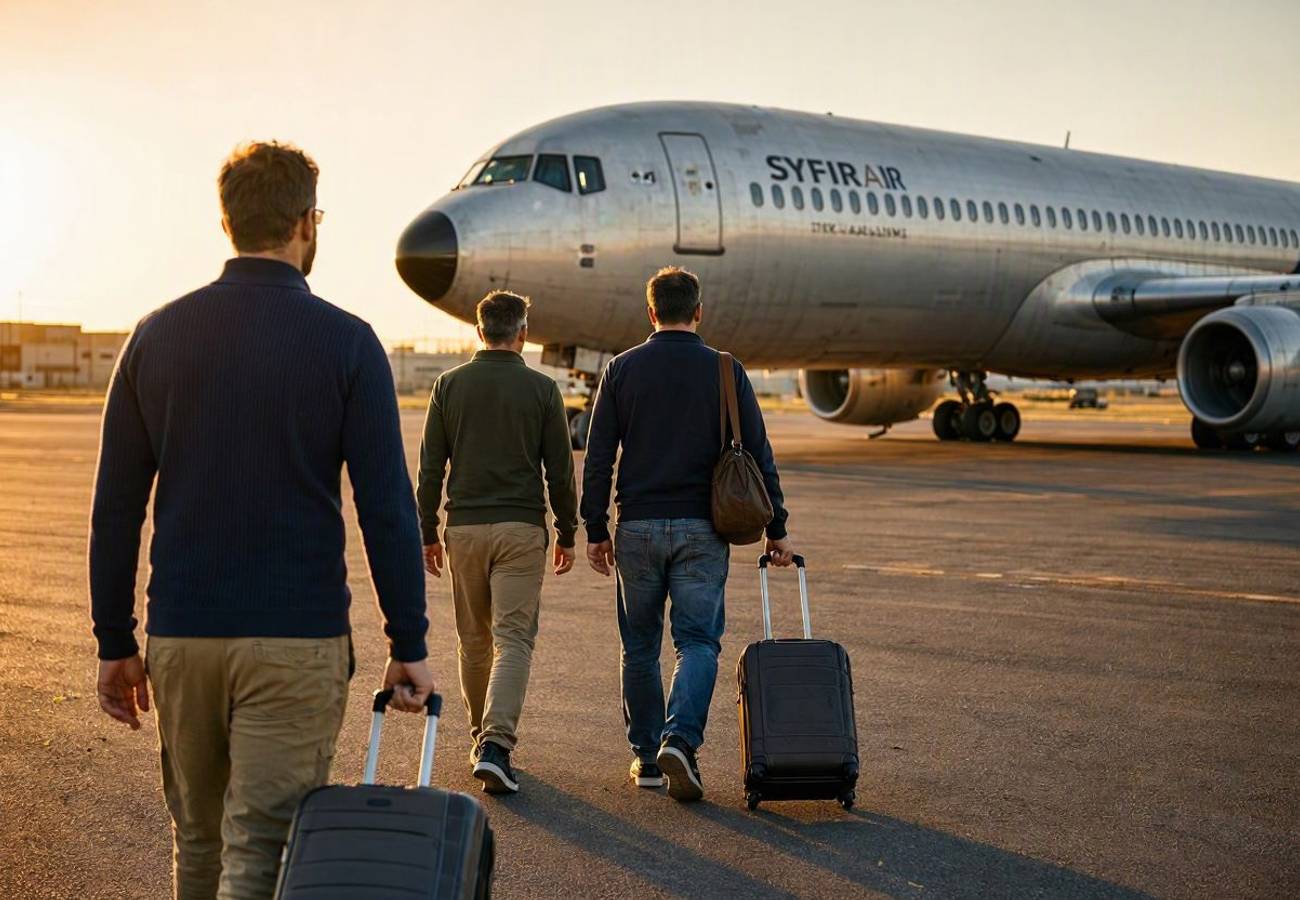
Image generated by AI
[Damascus, October 5, 2026] — Syria is aggressively reviving its tourism sector through a coordinated expansion of aviation connectivity and infrastructure upgrades, mirroring broader recovery trends seen across the UAE and Saudi Arabia. The push is centered on restoring international air links and rehabilitating regional gateways to win back global travelers.
The recovery effort integrates a complete overhaul of the national carrier, the reopening of regional airports, and a systemic upgrade of the hospitality sector. This strategy aims to shift Syria from a state of isolation to a functional destination for both the Syrian diaspora and international tourists from Europe, Asia, and the Middle East.
Aviation Infrastructure as the Primary Catalyst
Aviation is the cornerstone of the current resurgence. The scale of the rebound is evident in the visitor statistics for the first half of 2026, which show a dramatic increase in both total and foreign arrivals.
Visitor Growth Metrics (H1 2025 vs. H1 2026)
| Metric | H1 2025 | H1 2026 | Growth Percentage |
|---|---|---|---|
| Total Visitors | 1.67 Million | 3.52 Million | ~110% |
| Foreign Tourists | 131,000 | 719,000 | ~449% |
The surge is driven by a diversified set of markets. Key inbound traffic is originating from Türkiye, Germany, Sweden, the United Kingdom, the United States, Canada, and the Netherlands. Regionally, Jordan, Lebanon, and Iraq remain the most consistent sources of passenger traffic.
SyrianAir Fleet and Route Restoration
SyrianAir is acting as the primary vehicle for this renewal. The airline recently unveiled a refreshed green-and-gold corporate identity, signaled by the deployment of an Airbus A320-233 (registration YK-AKJ) in Ostrava.
Beyond branding, the carrier has restored critical international corridors to facilitate business, religious, and family travel:
- European Connectivity: Direct flights between Damascus and Amsterdam resumed in July 2026, targeting the Syrian diaspora in Europe.
- Global Hubs: Expanded services to Moscow strengthen ties with Russian markets.
- Religious Travel: Increased frequencies to Madinah support the influx of pilgrims and regional visitors.
Gateway Capacity and Regional Access
Damascus International Airport continues to serve as the primary entry point. In May 2026 alone, the facility processed over 148,000 passengers across 1,500 flights operated by 13 different airlines.
To prevent the capital from becoming a bottleneck, the government is decentralizing aviation access:
- Deir Ezzor International Airport: Now operational again, providing domestic links to Damascus and international connectivity to Kuwait.
- Qamishli International Airport: Currently undergoing rehabilitation to support future regional and international traffic.
For those monitoring regional aviation standards, the International Civil Aviation Organization (ICAO) provides guidelines on the safety and security protocols required for airports returning to international service.
Hospitality and Digital Modernization
The Syrian government has recognized that flight availability is meaningless without adequate lodging. A strategic development program spanning 2026 to 2030 focuses on the "budget" and "mid-range" segments to attract a wider demographic of travelers.
Accommodation Targets (2026-2030):
- Two-Star Hotels: 224 properties targeted for upgrades.
- One-Star Hotels: 108 properties targeted for upgrades.
- Luxury Recovery: The reopening of the Palm Village Hotel near Damascus, featuring 33 suites, marks a return to higher-end hospitality.
To complement physical infrastructure, the "My Syria" application has been launched to digitize the visitor experience. This app integrates hotel bookings and lifestyle services, attempting to bridge the gap in digital payment options and online planning that typically hinders travel to the region.
Security and Workforce Development
To address persistent concerns regarding safety, a specialized Tourist Police force has been deployed. These officers are stationed specifically at archaeological sites and high-traffic tourism zones to provide a dedicated security layer for foreign nationals.
Simultaneously, the state is investing in human capital. Approximately 1,000 scholarships have been issued for tourism and hospitality training to ensure that service quality meets international expectations. Travelers can check current travel advisories via the U.S. Department of State or the UK Foreign, Commonwealth & Development Office before planning a visit.
What This Means for Travelers
For the average traveler or expatriate, these developments signal a transition from "restricted" to "accessible," though caution remains.
Passenger Impact Assessment:
- Booking: The return of the Damascus-Amsterdam route significantly reduces transit times for European travelers who previously had to fly through third countries.
- Budgeting: The focus on one- and two-star hotel upgrades means more affordable options will be available for long-term visitors and regional tourists.
- Payments: While the "My Syria" app is a step forward, travelers should still carry significant cash reserves, as digital payment integration in Syria is still in the early stages.
- Security: The presence of Tourist Police provides a visible point of contact, but visitors should remain vigilant and follow official government travel warnings.
FAQ: Syria Travel 2026
Which European cities now have direct flights to Syria? As of July 2026, Amsterdam has seen the return of direct flights from Damascus via SyrianAir. Other European connectivity is expanding, though most travelers still utilize regional hubs.
What is the "My Syria" app? It is a government-backed digital platform designed to help tourists find accommodation, book services, and access lifestyle information within the country.
Are regional airports besides Damascus open? Yes. Deir Ezzor International Airport is operational with flights to Kuwait and Damascus. Qamishli International Airport is currently undergoing rehabilitation.
How has security changed for tourists in 2026? Syria has introduced a dedicated Tourist Police force specifically tasked with protecting visitors and managing crowds at major archaeological and cultural sites.
A nation rebuilding its wings, one route at a time.
Related Travel Guides
Disclaimer
This article is for informational and educational purposes only. It does not constitute legal, financial, or professional advice. While we strive to provide accurate and up-to-date information, travel policies, regulations, and conditions change rapidly. Always verify information with official sources before making travel decisions. Nomad Lawyer makes no representations about the accuracy, reliability, completeness, or suitability of the information provided. Readers should consult qualified professionals for advice specific to their circumstances. The views expressed in this article are those of the author and do not necessarily reflect the views of Nomad Lawyer.
Kunal K Choudhary
Co-Founder & Contributor
A passionate traveller and tech enthusiast. Kunal contributes to the vision and growth of Nomad Lawyer, bringing fresh perspectives and driving the community forward.
Learn more about our team →