
Switzerland Issues Central European Travel Warnings: Key Security Rules for Hungary, Croatia, and France in 2026
Switzerland's FDFA has updated its European travel advisories, highlighting Hungary's zero-tolerance driving laws, Croatia's inland landmine zones, and French transport security rules.

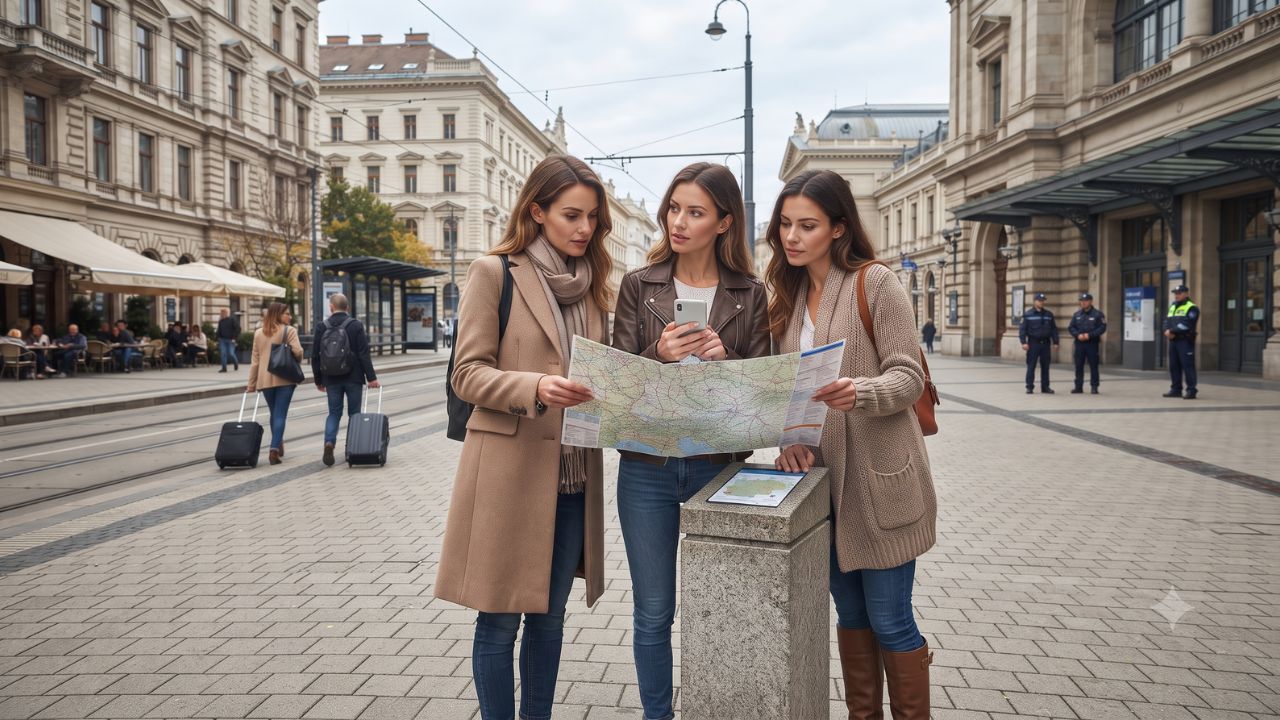
Few international road-trippers realize that attempting to drive out of Croatia with accident damage without an official police damage certificate is illegal, or that Hungary enforces a strict 0.0 per mille blood alcohol limit where even a single sip of wine triggers immediate arrest. As cross-border travel increases across Central and Western Europe, the Swiss Federal Department of Foreign Affairs FDFA has issued updated travel warnings detailing essential legal requirements, security risks, and transit regulations across Hungary, Croatia, France, and French overseas territories.
The updated guidelines encourage travelers to register their journeys on the Swiss "Travel Admin" app, which provides real-time location check-ins, push alerts during localized crises, and direct 24/7 access to consular emergency hotlines (+41 800 24 7 365 or +41 58 465 33 33).
Whether embarking on a scenic Danube route, exploring the Dalmatian Coast, or crossing French low-emission zones, understanding destination-specific regulations ensures a trouble-free European vacation.
Country-by-Country Legal and Security Frameworks
While Central Europe remains one of the safest travel corridors globally, localized legal frameworks and specific regional risks require careful attention from independent motorists and rail travelers.
Hungary: Highway Vignettes, Nightlife Caution, and Zero-Tolerance Driving
Travel throughout Hungary is generally safe, but road rules are rigidly enforced. Motorists utilizing expressways (including the M1, M3, M5, and M7) must purchase an electronic vignette before entering highway ramps, as automated camera grids issue heavy retroactive fines. Hungary's absolute 0.0‰ blood alcohol concentration (BAC) rule means any measurable alcohol in a driver's bloodstream leads to immediate license suspension and legal action.
In Budapest, travelers should remain alert to nightlife billing scams involving spiked beverages and fraudulent bills in unverified clubs. When approached by individuals claiming to be law enforcement, verify their identity: legitimate Hungarian police officers carry a plastic, credit card-sized credential and display a distinct five-digit service badge number. Travelers can find verified cultural itineraries through the Hungarian National Tourism Agency.
Croatia: Inland Mine Awareness and Mandatory Crash Certificates
Along the Adriatic shoreline and the Istrian Peninsula, Croatia is completely free of conflict-era munitions. However, remote interior regions from the 1991–1995 conflict—specifically rural sectors of Lika, Karlovac, Slavonia, and the Zadar hinterland—still retain marked unexploded ordnance zones. Travelers venturing inland should never bypass red skull-and-crossbones warning signs placed by the Croatian Mine Action Center (CROMAC).
On Croatian motorways, any collision involving vehicle body damage or foreign license plates requires an on-site police inspection. Officers must issue a formal damage certificate (Potvrda o oštećenju vozila) before the car is moved. Border control officers routinely inspect exiting damaged vehicles and will deny international border crossings without this document. Up-to-date regional advice is available from the Croatian National Tourist Board.
France and Overseas Territories: Vigipirate Alerts, Crit'Air Badges, and Island Security
Mainland France continues to operate under its heightened Plan Vigipirate security alert system, with armed military and police patrols stationed across train stations, airports, and major cultural monuments. In urban centers like Paris, Lyon, Marseille, and Strasbourg, vehicles entering Low Emission Zones (ZFE) must display a physical Crit'Air environmental windscreen sticker purchased in advance from official state portals.
In French overseas territories, conditions vary widely:
- New Caledonia: Travelers around Nouméa should monitor local curfews, supply disruptions, and airport schedules during sporadic political unrest.
- Mayotte and French Guiana: Travelers should take increased precautions against petty street crime and check local municipal water alerts.
- Corsica, Martinique, and Guadeloupe: Avoid traveling along poorly lit rural roads late at night, and verify domestic ferry and flight schedules during regional labor strikes.
CENTRAL EUROPEAN TRAVEL & TRANSIT AUDIT 2026
| Entity / Route | Metrics | Operational Status |
|---|---|---|
| Destination Country | Primary Legal Rule | Critical Security Directive |
| Hungary | 0.0‰ BAC Limit; | Verify 5-digit badge on |
| Mandatory E-Vignette | police; avoid unvetted clubs | |
| Croatia | Mandatory Police | Stay on marked paved roads in |
| Crash Certificate | inland former combat zones | |
| France (Mainland) | Crit'Air Sticker for | Plan Vigipirate active; stay |
| Low-Emission (ZFE) | alert for highway SMS scams | |
| New Caledonia & | Regional Curfew & | Monitor local prefecture |
| French Overseas | Strike Monitoring | alerts & supply logistics |
Practical Driving and Emergency Reference Matrix
| Country | Emergency Number | Motorway Toll Requirement | Driving Alcohol Limit | Essential Document Requirement |
|---|---|---|---|---|
| Hungary | 112 | Electronic E-Vignette (M1/M3/M5/M7) | 0.0‰ (Strict Zero) | Valid passport & digital vignette receipt |
| Croatia | 112 (987 HAK Roadside) | Toll booths / Electronic ETC | 0.5‰ (0.0‰ for under 24) | Police Damage Certificate if damaged |
| France | 112 (17 Police) | Télépéage / Toll plazas | 0.5‰ | Physical Crit'Air badge for ZFE cities |
| Switzerland | 112 (117 Police) | Annual Highway Vignette | 0.5‰ | Swiss Travel Admin app registration |
Visitor Insider Tips
Navigating European cross-border journeys smoothly requires strict adherence to local driving and safety customs:
- Purchase Hungarian Highway Vignettes Before Crossing the Border: Do not wait until you pass an electronic toll gantry on the M1 highway. Purchase the e-vignette online through the official national toll portal before driving into Hungary to avoid instant automated camera fines.
- Never Pick Up Unidentified Hitchhikers Across Borders: Strict human smuggling laws operate throughout the Schengen outer perimeter and internal border points. Transporting undocumented individuals constitutes a felony offense carrying severe prison sentences.
- Order French Crit'Air Badges Well in Advance: Crit'Air environmental stickers cannot be purchased at service stations or border kiosks; they must be mailed to your home address from the official French government website. Driving in designated Parisian or Lyonnais ZFE zones without the badge carries on-the-spot fines.
- Stick Exclusively to Paved Roads in Rural Inland Croatia: When exploring the mountain passes of Lika or the Zadar hinterland, remain strictly on asphalt roads and marked hiking paths. Never wander into overgrown woodland or abandoned structures showing CROMAC mine warning signs.
- Beware of Staged Highway Breakdown Scams: On major transit routes across Southern France and Hungary, thieves sometimes motion at your tires or simulate engine trouble to prompt you to pull over. If flagged down, do not leave your vehicle; continue driving to a well-lit 24-hour service station before inspecting your car.
Cultural and Environmental Context
Responsible tourism across Europe relies on respecting local environmental regulations and cultural heritage. Low-emission zones in major French cities aim to cut harmful nitrogen dioxide emissions, creating healthier air for urban communities and preserving delicate historical facades.
Similarly, travelers driving through Central Europe are encouraged to support community-owned businesses, regional vineyards, and family guesthouses away from congested capital centers. By honoring local traffic laws, respecting environmental conservation zones, and staying informed through official consular channels, visitors help foster mutually respectful travel that benefits host communities.
FAQ: Navigating European Travel Guidelines 2026
What happens if I drive in Hungary with any alcohol in my system?
Hungary enforces a strict 0.0‰ BAC limit. Any detectable alcohol level results in immediate criminal processing, steep fines, and the suspension of your driver's license.
Do I need a special certificate if my car is damaged in Croatia?
Yes. If your vehicle is involved in an accident, the police must issue an official damage certificate (Potvrda o oštećenju vozila) to permit your car to cross international border checkpoints.
How do I purchase an environmental badge for driving in France?
Order the official physical Crit'Air vignette directly from the French Ministry for the Ecological Transition website several weeks before your trip.
What is the universal emergency number across these countries?
Dial 112 from any mobile phone or landline for immediate, toll-free connection to emergency medical, police, and fire services throughout the European Union.
Staying informed about regional road laws, carrying proper vehicle credentials, and adopting proactive safety habits will keep your European holiday smooth, rewarding, and secure.
Related Travel Guides
- Malaysia Grand Prix 2026: KLIA Airport Traffic Alerts and Transit Solutions
- Spain Hits 100 Million Visitor Milestone: Overtourism Caps in Barcelona and Balearics
- Cartagena Travel Safety Guide 2026: Historic Centre Security and Rural Protocols
- How to Navigate Major International Hubs as a Solo Traveler
Disclaimer
This article is for informational and educational purposes only. It does not constitute legal, financial, or professional advice. While we strive to provide accurate and up-to-date information, travel policies, regulations, and conditions change rapidly. Always verify information with official sources before making travel decisions. Nomad Lawyer makes no representations about the accuracy, reliability, completeness, or suitability of the information provided. Readers should consult qualified professionals for advice specific to their circumstances. The views expressed in this article are those of the author and do not necessarily reflect the views of Nomad Lawyer.
Raushan Kumar
Founder & Lead Developer
Full-stack developer with 11+ years of experience and a passionate traveller. Raushan built Nomad Lawyer from the ground up with a vision to create the best travel and law experience on the web.
Learn more about our team →