
Overnight Stays Fuel Switzerland's 2026 Tourism Boom
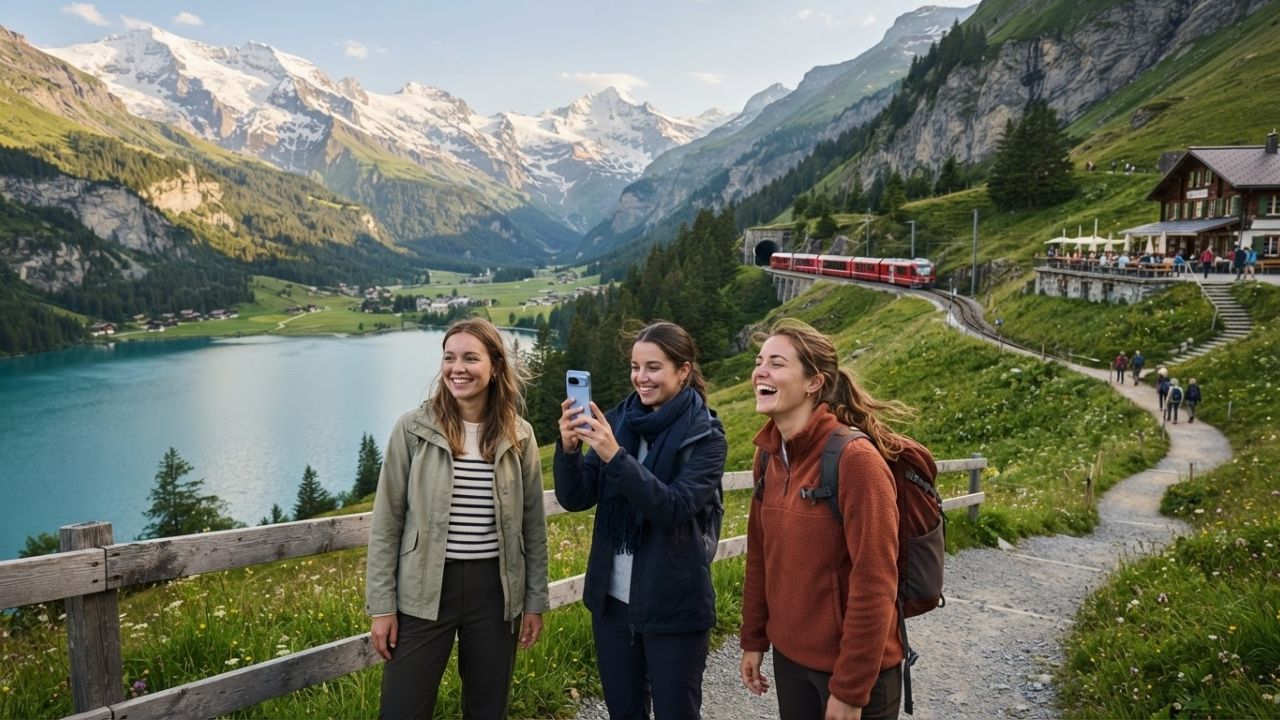
Image generated by AI
Switzerland's tourism sector recorded a 2.1% increase in overnight stays during January and February 2026, signaling a strong start to the travel year as visitors embrace a year-round vacation model. According to data from UN Tourism, this growth reflects a successful shift in the country's travel strategy, transitioning from a winter-dominant model to a year-round destination.
This expansion is driven by international visitors seeking quality experiences, longer stays, and regional exploration. By combining Alpine outdoor adventures, scenic rail journeys, wellness retreats, and heritage cities, Switzerland is building a resilient tourism model that balances economic growth with environmental protection.
The Local Trend: The Evolution of Year-Round Travel
The traditional Swiss tourism model was divided into two distinct periods: the winter ski season and the summer hiking season. To create a more balanced visitor economy, Switzerland Tourism has implemented a year-round strategy that highlights the unique experiences of spring and autumn. This approach reduces the industry's reliance on winter snow conditions, distributing tourist spending more evenly across the calendar and the country.
In the spring, marketing efforts focus on nature discovery, valley hikes, and city breaks. Summer remains popular for lake activities, high-altitude hiking, and cycling. Autumn is positioned as a season for slow travel, wine tourism, local food festivals, and wellness.
By promoting the transition seasons, mountain destinations that previously closed after the winter ski slopes melted are remaining open. This year-round operation supports local businesses, transport providers, and hospitality staff, providing stable employment and reducing seasonal overcrowding in popular hubs.
The Swisstainable Approach to Low-Impact Travel
A major driver of Switzerland's travel growth is the national Swisstainable program. This initiative categorizes tourism businesses into three levels of sustainability—Committed, Engaged, and Leading—helping travelers identify service providers that prioritize environmental protection. Participating businesses must demonstrate energy efficiency, minimize waste, and source ingredients and materials locally.
- Level I (Committed): Attained by businesses that commit to sustainable business management and continuously implement measures for conservation.
- Level II (Engaged): Achieved by operators that have already implemented sustainable practices and hold recognized certifications in green management.
- Level III (Leading): Reserved for businesses that hold comprehensive, third-party audited sustainability credentials, demonstrating a deep integration of eco-initiatives into their daily operations.
The national public transport system, led by the Swiss Federal Railways (SBB), serves as a partner in this initiative, carrying the highest sustainability classification. The country's transport network allows visitors to travel from major airports to lakeside cities and high-altitude Alpine resorts using trains, buses, and mountain cogwheel railways.
This connectivity makes it easy to travel without a car, reducing the carbon footprint of vacationers. For visitors who prioritize responsible travel, the combination of public transport efficiency and eco-certified accommodation provides a practical way to explore the country's natural heritage.
Car-Free Villages and Community Preservation
To protect the environment and maintain the authentic character of mountain communities, Switzerland features several car-free villages. These resorts prohibit private vehicles, relying on electric shuttles, horse-drawn carriages, and rail connections for local transit.
- Zermatt: Located at the foot of the Matterhorn, this resort combines luxury hospitality and historic wooden architecture with access to high-altitude ski slopes and hiking trails.
- Wengen and Mürren: Perched on mountain terraces overlooking the Lauterbrunnen Valley, these villages offer views of the Eiger, Mönch, and Jungfrau peaks, accessible via cogwheel trains and cable cars.
- Saas-Fee: Known as the Pearl of the Alps, this village is surrounded by thirteen peaks over 4,000 meters and is powered entirely by regional hydroelectricity.
- Stoos: A family-friendly resort reached by the world’s steepest funicular railway, offering panoramic views and walking paths.
By limiting vehicle traffic, these communities preserve local air quality, reduce noise pollution, and maintain a quiet atmosphere. The lack of cars supports local economies by encouraging foot traffic in village centers, benefiting locally owned shops, cafes, and hotels.
Regional Hidden Gems: Diversifying the Swiss Economy
To ensure that the economic benefits of this tourism surge are shared equitably across the nation, Switzerland is actively promoting regional travel beyond traditional tourist hotspots. While cities like Zurich and Lucerne and valleys like Lauterbrunnen continue to attract high volumes of international visitors, regional promotion campaigns are highlighting lesser-known Alpine valleys and rural communities.
Travelers are encouraged to visit regions like the Engadin valley, the traditional villages of Appenzell, or the rustic Val d'Hérens in the Canton of Valais. These areas offer authentic encounters with local heritage, historic architecture, and traditional agricultural practices. By choosing to stay in family-run guesthouses and purchasing regional handicrafts, travelers contribute directly to the economic viability of remote communities, preventing rural depopulation and supporting the preservation of local dialects and customs.
Traditional Alpine Dining: Local Specialties
Swiss gastronomy focuses on regional ingredients, hearty comfort food, and traditional dairy products sourced from Alpine pastures.
- Älplermagronen: A traditional Alpine macaroni dish cooked with potatoes, onions, and local cheese, served with a side of warm apple sauce.
- Fondue: A classic communal dish featuring melted Swiss cheeses, white wine, and garlic, kept warm in a ceramic pot and enjoyed by dipping crusty bread cubes.
- Raclette: A dish where rounds of local cheese are melted and scraped over boiled potatoes, pickled onions, and gherkins.
- Rösti: A savory dish of pan-fried, grated potatoes, cooked until golden and crispy, often topped with a fried egg, melted cheese, or bacon.
- Zürcher Geschnetzeltes: Thinly sliced veal cooked in a rich cream and white wine sauce with mushrooms, traditionally served alongside crispy rösti.
- Nusstorte: A sweet, dense pastry tart filled with caramelized walnuts, originating from the mountain valleys of the Graubünden region.
Visitor Insider Tips: Navigating Switzerland
To ensure a smooth, sustainable, and cost-effective trip, keep these practical tips in mind:
- Transit Strategy: Purchase the Swiss Travel Pass before arrival. This pass provides unlimited travel on the national train, bus, and boat network, free entry to over 500 museums, and discounts on mountain railways. It eliminates the need to buy individual tickets for each journey.
- Peak Avoidance: Visit during the shoulder seasons of April to May or September to October. During these months, weather conditions are suitable for outdoor activities, accommodation prices are lower, and popular sights are less crowded.
- Logistics for Car-Free Areas: When traveling to car-free villages, plan your arrival points. Park your vehicle at the regional parking terminals in Täsch (for Zermatt) or Lauterbrunnen (for Wengen and Mürren), and take the connecting train or cable car.
- Mountain Dining Etiquette: When dining at high-altitude mountain huts, check the timetable for the last cable car or cogwheel train descending the mountain to avoid missing your transport back to the valley.
- Water Strategy: Bring a reusable water bottle. Tap water in Switzerland is clean and safe to drink, and public fountains in cities and villages provide fresh mountain spring water for free.
Outlook: The Future of Swiss Sustainable Tourism
The positive arrival figures from the early months of 2026 indicate that Switzerland's focus on quality growth and year-round travel is yielding results. By encouraging longer stays, promoting lesser-known regional destinations, and expanding sustainable transport links, the country is building a visitor economy that protects its natural assets.
Future development plans include upgrading rail infrastructure, expanding the Swisstainable network to more local businesses, and developing digital platforms to help visitors navigate public transit. This balanced approach ensures that Switzerland remains a premier travel destination, preserving its Alpine heritage and local communities for future generations.
Related Travel Guides
- Greater Miami Tourism Hits Record $32.2 Billion Economic Impact in 2026 Growth Surge
- Argentina Winter Tourism Guide: Uneven Occupancy and Record Inbound Arrivals
- Angola Accelerates Cabinda Airport Expansion with UK, Germany, and Brazil Partners in Defiance of $200 Oil Shock and Strait of Hormuz Blockade: How Saudi Arabia, UAE, and Qatar Anchor Regional Supply Chains Amid US-Iran Maritime Conflict
Disclaimer
This article is for informational and educational purposes only. It does not constitute legal, financial, or professional advice. While we strive to provide accurate and up-to-date information, travel policies, regulations, and conditions change rapidly. Always verify information with official sources before making travel decisions. Nomad Lawyer makes no representations about the accuracy, reliability, completeness, or suitability of the information provided. Readers should consult qualified professionals for advice specific to their circumstances. The views expressed in this article are those of the author and do not necessarily reflect the views of Nomad Lawyer.