Tourism Growth: Switzerland Leverages $960B GDP Economy

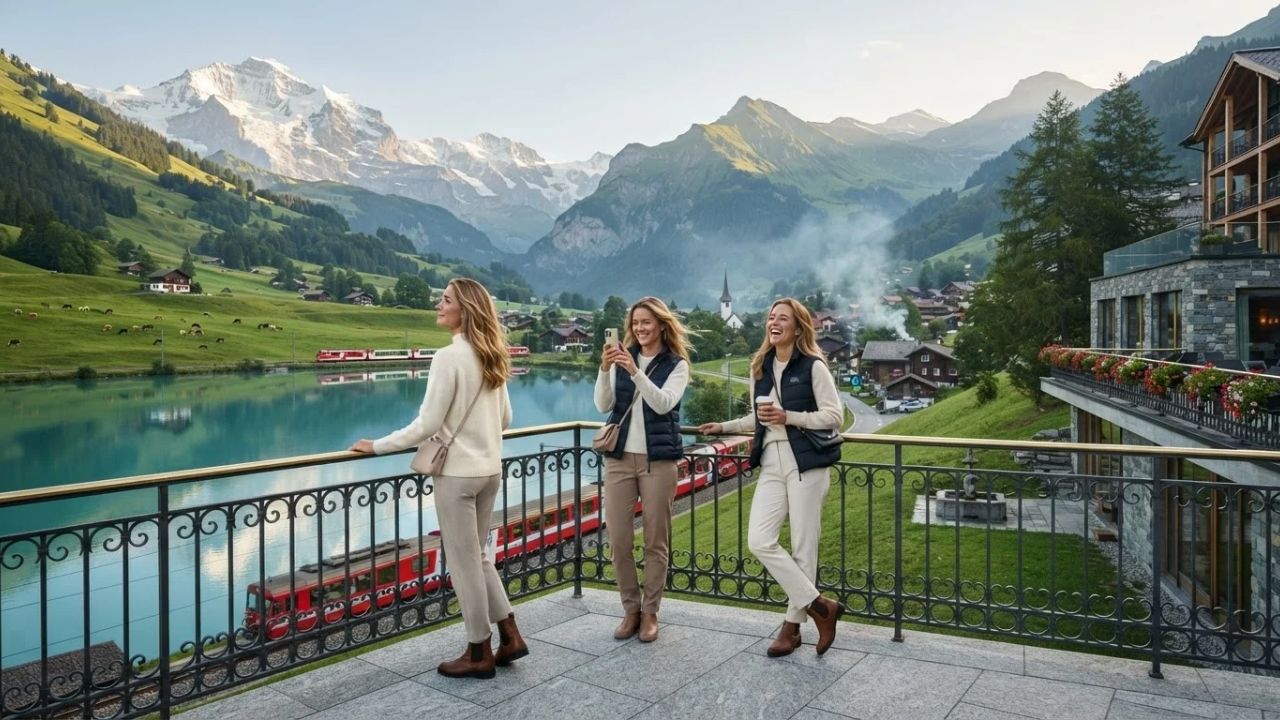
Image generated by AI
Switzerland targets high-value tourism to support its $960 billion GDP (PPP) economy, expanding luxury mountain resorts and scenic rail routes. The State Secretariat for Economic Affairs indicates that premium guest services and eco-aware travel investments reduce environmental pressure in alpine valley communities.
The Transition of National Tourism to High-Value Service Models
A prominent trend in European travel is the transition of national tourism strategies from high-volume visitor count models to high-value service economies. Historically, regional planning offices focused on increasing the raw quantity of hotel check-ins and tour buses, leading to infrastructure congestion and environmental degradation in delicate mountain areas. In 2026, leading economies adjust their tourism sectors to target premium travelers, prioritizing luxury lodging, medical wellness retreats, and eco-friendly train transit grids to maximize local economic yields.
By focusing on value rather than volume, destinations increase visitor spend per day while protecting their natural resources. This model supports regional employment, historic mountain cooperatives, and transport service networks.
Economic Metrics and Swiss Industry Performance
The country's economic baseline supports a highly competitive service market:
- Estimated GDP (PPP): Projected to reach over $960 billion ($960 billion) in 2026.
- Key GDP Drivers: Blends tourism with pharma, biotechnology, medical engineering, precision manufacturing, finance, and international trade.
- Targeted Tourism Growth: Emphasizes year-round travel options including luxury mountain hotels, wellness retreats, and scenic rail tours.
- Core Tourism Cities: Promotes heritage, retail, and business travel networks in Zurich, Geneva, Lucerne, and Bern.
- Workforce Inclusions: Leverages a highly educated and vocationally certified personnel base to manage premium hospitality standards.
This diversified model allows Swiss tourism to function as a resilient engine of economic growth alongside heavy industries.
Swiss Economic Development Coordinates
The table below breaks down the key GDP sectors, target annual values, development priorities, local transport platforms, regional partners, and coordinating authorities recorded on August 23, 2026:
| Core GDP Sector | Target Sector Value | Economic Development Priority | Local Transport Platform | Regional Partner | Coordinating Authority |
|---|---|---|---|---|---|
| High-value tourism | Over $960B GDP (PPP) | Luxury & premium hospitality | Swiss rail network | HotellerieSuisse | Switzerland Tourism |
| Pharmaceuticals | Export revenue growth | Life sciences & biotech | Cargo logistics grids | Geneva Science Hub | Federal Statistical Office |
| Financial services | Wealth management stability | Fintech & banking innovation | Urban transit connections | Zurich Commerce Group | State Secretariat Economics |
These coordinates outline the sectors, values, priorities, transport options, partners, and authorities established for the growth program.
Resource Stewardship and Eco-Aware Alpine Travel
For the traveler, the benefit of choosing public transit over rental vehicles is the direct integration with the country's carbon-neutral rail network. Utilizing electric train passes to travel between cities (like Zurich, Geneva, and Lucerne) minimizes individual carbon emissions.
Additionally, staying in certified eco-resorts that run on geothermal and solar power supports environmental protection targets. Purchasing local mountain cheeses and woodcrafts directly from alpine farming cooperatives keeps visitor spending in rural communities.
For comparison, you can explore the changing dynamics of Stimulus Launch: Taiwan Unveils Billion-Dollar Repeat Visitor Rewards to see how destinations promote visitor spend. For transit updates, comparing travel scheduling matches other networks, such as Tourism Campaigns: Puglia Launches Wellness Retreats Scheme updates. This trend is similar to the tourism growth seen in other destinations, as detailed in our guide on the Hacienda Heights Bus Fire Transport Safety regulations.
Visitor Insider Tips: Exploring the Swiss Alps
If you are planning to travel to Switzerland, keep these practical tips in mind:
- Purchase a Swiss Travel Pass: Secure a multi-day transit pass to access all trains, mountain postbusses, lake steamers, and urban tram networks.
- Book Scenic Trains in Advance: Reserve seats on famous routes (such as the Glacier Express or Bernina Express) several months before departure, as availability is limited.
- Explore Beyond Peak Seasons: Visit in June or September to enjoy empty hiking trails, lower accommodation rates, and authentic regional dining.
- Respect High-Altitude Rules: Carry warm, layered clothing and follow official safety markers when trekking in high alpine zones.
- Utilize Public Lockers: Store your luggage in automated station lockers to explore cities like Lucerne or Bern comfortably during transit.
Long-Term Outlook for the Swiss Transport Network
The long-term outlook for transit in Switzerland is focused on constructing hydrogen-powered locomotive fleets, expanding solar-powered cableway networks, and implementing digital identity ticketing across all public lines. As the visitor economy continues to expand, regional planning boards and environmental protection offices will cooperate to maintain carbon-neutral codes.
By developing sustainable transit links and protecting fragile alpine habitats, the tourism sector aims to build a sustainable transport network.
FAQ
What is the estimated GDP of Switzerland in 2026?
Switzerland's GDP (PPP) is estimated to be over $960 billion, supported by a combination of tourism, technology, pharma, and finance.
How does the Swiss rail network support sustainable tourism?
The extensive electric rail network connects major cities and alpine resorts, providing a low-carbon transport option that serves as a tourist attraction in itself.
Which cities are key centers for Swiss urban tourism?
Zurich, Geneva, Lucerne, and Bern serve as primary urban gateways, offering shopping, cultural heritage, and business tourism services.
What is Switzerland's high-value tourism strategy?
The strategy focuses on expanding luxury resorts, wellness retreats, and eco-aware travel options to increase visitor spend while protecting natural landscapes.
Stay updated on regional travel regulations and tourism campaigns shaping European transit.
Related Travel Guides
This article is for informational purposes. Flight routes, passenger regulations, visa rules, and transit advisories are subject to change by airlines and aviation authorities. Readers are advised to verify schedules and travel documentation with relevant carriers and border agencies before departure.
Related Stories

Thailand and Vietnam Lead Asia Tourism Surge in 2026 via Strategic Visa Policy Shifts

Samarkand Marathon 2026: Uzbekistan Attracts 1,500 Athletes from 63 Nations for Sports Tourism