
Switzerland Follows More European Travellers as France Provence Grows Winter Tourism With Authentic Experiences
Switzerland Follows More European Travellers as France Provence Grows Winter Tourism With Authentic Experiences

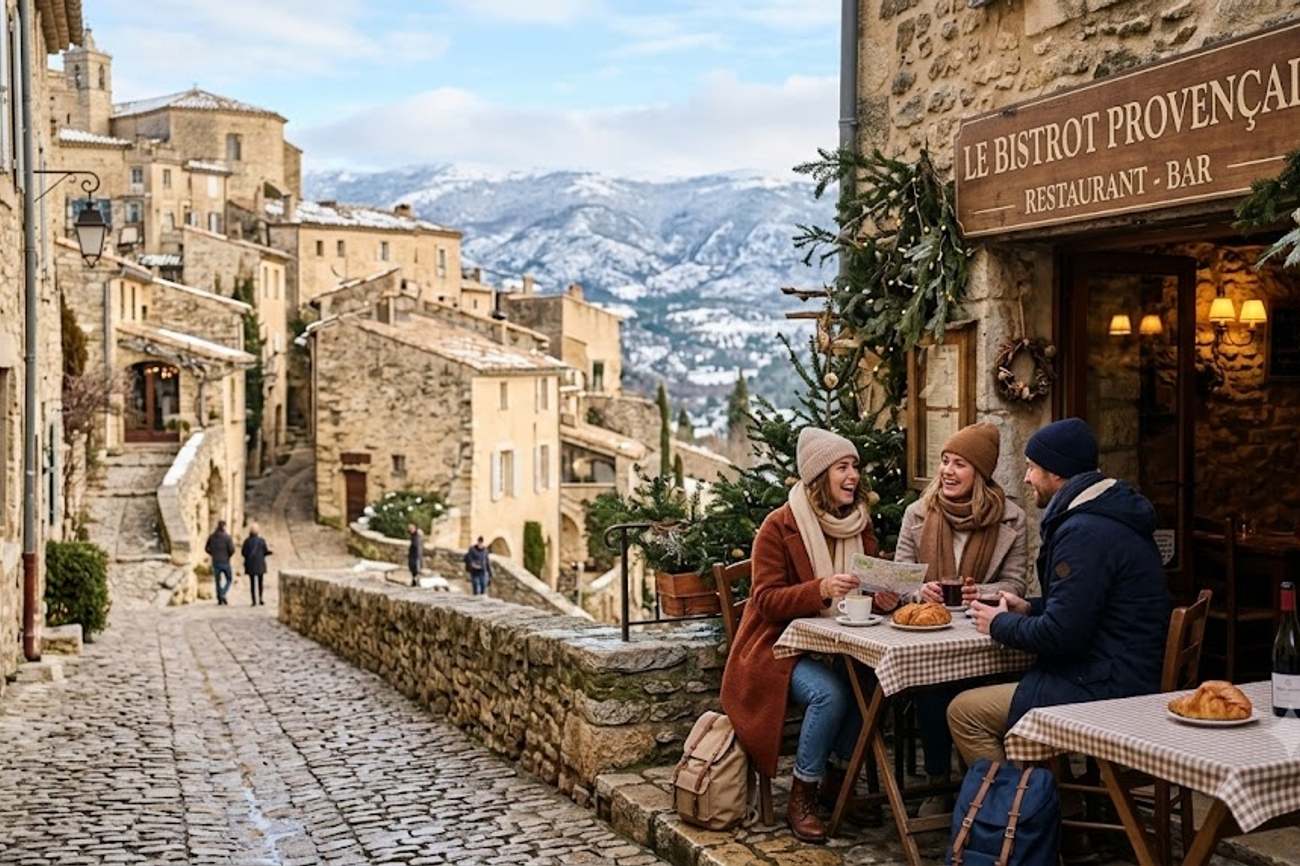
Image generated by AI
title: Provence Winter Tourism Surge date: 2025-10-24 category: Global Travel tags: [Provence-Tourism-2025, Atout-France, Swiss-Travel-Trends, Arles-Winter-Tourism, Provence-Alpes-Côte-d-Azur]
[Provence, October 2025] — France's Provence-Alpes-Côte d’Azur region is aggressively diversifying its tourism portfolio to attract a surge of European winter visitors, moving beyond its traditional identity as a summer lavender destination. Regional authorities and tourism boards are reporting a strategic shift toward "seasonal exploration," targeting high-value markets in Switzerland, Belgium, and Poland to sustain economic activity during the colder months.
The initiative focuses on leveraging the region's Mediterranean climate and cultural assets to attract travelers seeking "slow travel" experiences. By promoting heritage sites, gastronomy, and outdoor activities, Provence is positioning itself as a viable winter alternative to traditional alpine resorts. This pivot comes as international tourism remains a primary driver of the French regional economy, with a specific emphasis on European neighbors who can access the region via short-haul transport.
The Catalyst for Winter Diversification
The push to expand winter tourism is driven by a growing consumer trend among European travelers who are increasingly avoiding peak-season crowds. Provence is repositioning its brand to highlight assets that remain viable—or are enhanced—during the winter. This includes the promotion of "authentic" experiences that are often obscured by the mass tourism of the summer months.
Key drivers include the accessibility of the region's artistic landmarks and the stability of its gastronomic offerings. By highlighting the work of Paul Cézanne and Vincent van Gogh, the region is converting art history into a year-round draw. Furthermore, the shift toward "slow travel" encourages visitors to spend more time in smaller, less-developed destinations, reducing the environmental and social pressure on major hubs while distributing tourism revenue more evenly across the countryside.
Markets and Regional Impact
The strategy targets specific European demographics with tailored offerings. The following breakdown outlines the primary markets currently driving this winter growth:
| Target Market | Primary Driver | Key Destinations |
|---|---|---|
| Switzerland | Premium nature & gastronomy | Sainte-Victoire Mountain, Château La Coste |
| Belgium | Heritage & culinary arts | Les Baux-de-Provence, Puyricard |
| Poland | Cultural education & art | Arles, Haute-Provence |
| Domestic (FR) | Urban culture & museums | Marseille |
The Atout France agency reports that France recorded approximately 102 million international arrivals in 2025. This data underscores the importance of European markets—specifically Belgium and Germany—in maintaining the country's status as a global tourism leader. In Provence, this manifests as a surge in visits to:
- Les Baux-de-Provence: Now marketed as a quiet heritage sanctuary for photographers and history enthusiasts.
- Arles: Positioned as a hub for Van Gogh heritage, attracting cultural tourists who prefer the absence of summer heat.
- Haute-Provence: Focused on olive oil production and local traditions to attract gastronomy-focused travelers.
- Sainte-Victoire Mountain: Promoted for winter hiking and exploration of the landscapes that inspired Cézanne.
- Marseille: Serving as the urban gateway for city-break visitors utilizing museums and galleries.
What This Means for Travelers
For the modern traveler, the shift toward winter tourism in Provence translates to a fundamental change in the visitor experience. The "lavender image" is being replaced by a focus on authenticity and accessibility.
1. Reduced Crowds and Costs Travelers booking trips between November and March will find significantly lower visitor pressure. This allows for deeper exploration of medieval villages and more intimate experiences at galleries and museums without the queues associated with the July-August peak.
2. Shift in Activities The itinerary for a winter visitor differs sharply from a summer one. Instead of lavender fields, the focus shifts to:
- Gastronomic Tours: Sampling regional chocolates, calissons, and olive oils.
- Artistic Pilgrimages: Visiting the sites of Van Gogh and Cézanne.
- Mild Outdoor Exploration: Utilizing the Mediterranean climate for coastal and mountain walks.
3. Logistics and Accessibility The region is emphasizing "short-distance travel." For those in Switzerland and Belgium, the proximity makes Provence a viable option for weekend breaks or short-term seasonal escapes, reducing the need for long-haul flights and promoting regional rail or road travel.
The Road to 2026 and Beyond
As Provence continues to integrate itself into the winter travel habits of Northern and Central Europeans, the region is expected to see a permanent increase in its off-season baseline. The goal is to create a sustainable, year-round tourism ecosystem that does not rely solely on a three-month window of peak activity.
Future developments are expected to focus on further integrating "premium experiences," such as boutique vineyard stays at locations like Château La Coste, to attract the luxury segment of the Swiss market. Additionally, the expansion into the Polish market suggests a broader ambition to attract Eastern European travelers who are increasingly seeking meaningful, heritage-based journeys over generic city breaks.
The European Travel Commission has previously noted the trend toward "de-seasonalization," and Provence's current trajectory aligns with this broader continental strategy to balance tourism loads across the calendar year.
FAQ: Provence Winter Travel 2025
Is Provence too cold to visit in the winter? No. The region benefits from a mild Mediterranean climate, making it an attractive alternative to the freezing temperatures of Northern Europe or the high Alps. It is ideal for walking, hiking, and urban exploration.
What are the best activities for a winter trip to Provence? Focus on cultural and gastronomic experiences. Visit the medieval village of Les Baux-de-Provence, explore Van Gogh's legacy in Arles, or tour olive oil producers in Haute-Provence.
How does winter travel differ from summer travel in this region? The primary difference is the atmosphere. Winter offers "slow travel" with fewer crowds, lower pressure on heritage sites, and a focus on indoor culture, art, and regional food rather than the summer lavender blooms.
Which airports are best for accessing Provence in winter? Marseille Provence Airport (MRS) serves as the primary gateway for the region, providing the most direct access to the coastal cities and the hinterland of Haute-Provence.
Provence is trading its purple summer hue for a palette of art, oil, and stone.
Related Travel Guides
- Austria and Other Leading Markets Boost Italy Travel Demand as Atri Showcases Abruzzo’s Authentic Experiences
- Serbia Sees Longer Foreign Stays Boost Mokra Gora Travel During Šargan Eight Season Near Užice and Zlatibor
- Colombia Becomes Frontier Airlines’ First South America Gateway as Orlando Flights Open New Travel Opportunities
Disclaimer
This article is for informational and educational purposes only. It does not constitute legal, financial, or professional advice. While we strive to provide accurate and up-to-date information, travel policies, regulations, and conditions change rapidly. Always verify information with official sources before making travel decisions. Nomad Lawyer makes no representations about the accuracy, reliability, completeness, or suitability of the information provided. Readers should consult qualified professionals for advice specific to their circumstances. The views expressed in this article are those of the author and do not necessarily reflect the views of Nomad Lawyer.
Preeti Gunjan
Contributor & Community Manager
A passionate traveller and community builder. Preeti helps grow the Nomad Lawyer community, fostering engagement and bringing the reader experience to life.
Learn more about our team →