
Swiss Airports Wave of Delays Disrupts 164 Flights Across European Network
Swiss airports wave hits Zurich and Basel with 164 delayed flights and 40 cancellations on April 10, 2026, affecting Helvetic Airways, Lufthansa, and easyJet passengers across Europe.

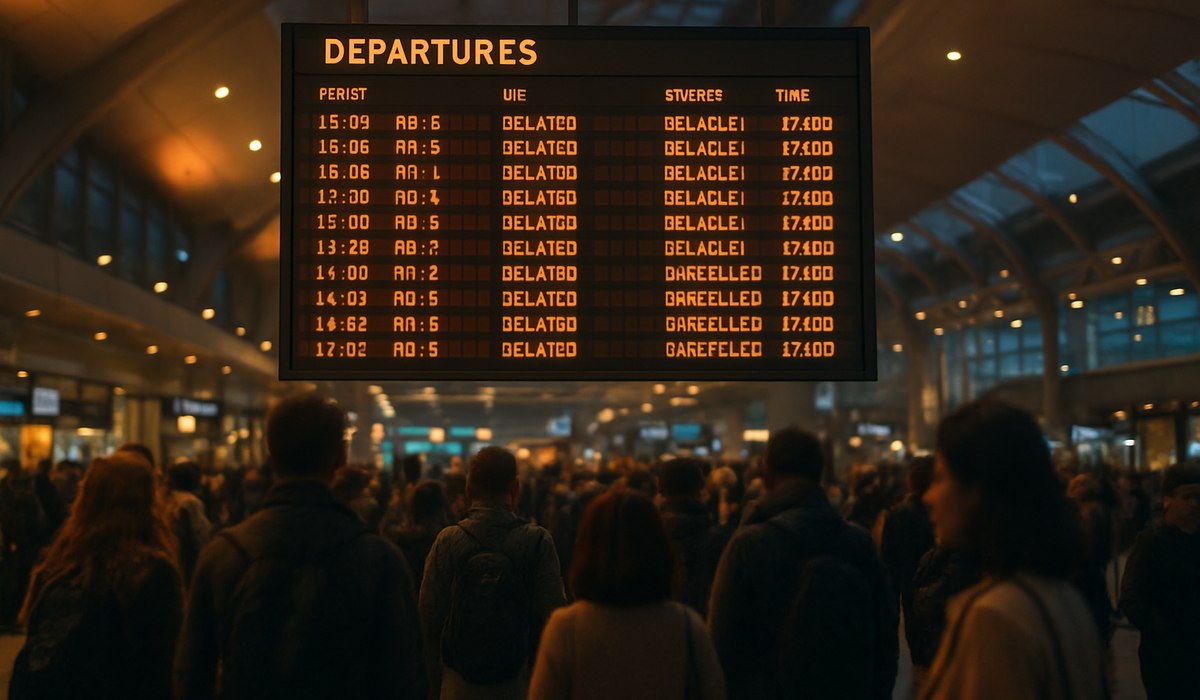
Image generated by AI
Swiss Airports Wave Paralyzes European Hub Traffic
Zurich and Basel airports experienced a severe operational crisis on April 10, 2026, with flight-tracking data confirming 164 delayed departures and arrivals alongside 40 complete cancellations across multiple European carriers. The swiss airports wave disruption affected thousands of passengers on regional and international services, creating cascading complications for onward connections throughout the continent. Helvetic Airways, Lufthansa Group, and easyJet emerged as the most significantly impacted operators, each struggling with aircraft rotations and crew scheduling conflicts that propagated delays deep into evening service windows.
Widespread Operational Disruption at Key Swiss Hubs
Zurich, Switzerland's primary international gateway handling over 30 million annual passengers, absorbed the majority of disruption during this operational crisis. The airport's high-frequency European service model depends on precise scheduling intervals, leaving minimal buffer capacity when weather patterns, air traffic control restrictions, or technical failures occur. Basel-Mulhouse Airport, serving as a critical low-cost carrier hub, similarly reported cascading cancellations that rippled across leisure and regional routes connecting major European cities.
The swiss airports wave reflected systemic strain across Europe's aviation infrastructure, where tightly wound schedules prioritize capacity utilization over operational resilience. When individual delays stack across multiple flights, recovery becomes exponentially more complex. Aircraft trapped in holding patterns at Zurich created secondary delays for subsequent rotations, while crew scheduling conflicts at Basel forced operators to consolidate multiple services, directly canceling flights.
Data from FlightAware showed that recovery from such widespread disruption typically requires 24-48 hours as airlines reposition aircraft and restore normal operating patterns across interconnected European networks.
Helvetic Airways, Lufthansa and easyJet Among Most Affected
Helvetic Airways operates regional services from Zurich on behalf of major carriers and under its own brand, making the airline particularly vulnerable during schedule disruptions. Aircraft rotation failures—where planes cannot return to their designated hub on time—create domino effects across an entire flight schedule. When Helvetic's morning departures fell behind schedule, afternoon and evening services were automatically pushed later, affecting crew rest requirements and passenger connections.
Lufthansa Group's extensive Swiss network compounds the crisis during disruption events. Frankfurt and Munich hubs, where many Zurich-routed connections transfer, experienced secondary delays when Swiss inbound flights arrived late. This interconnected network means disruption in Switzerland rapidly cascades through German hubs, affecting intercontinental passengers whose long-haul departures depend on timely European feeder flights.
easyJet's high-utilization business model made the airline particularly susceptible to the swiss airports wave. Low-cost carriers operate with minimal aircraft dwell time between flights—sometimes just 25 minutes at Basel. A 90-minute delay on an early morning departure immediately compromises the entire day's schedule, forcing cancellations of evening services when recovery proves impossible.
Additional European and regional carriers serving both airports likewise adjusted schedules, consolidated services, and modified routing in response to capacity constraints and airport congestion.
Root Causes: Tight Schedules and European Network Strain
The swiss airports wave emerged from converging operational pressures rather than single catastrophic events. Capacity limits at Zurich restrict arrival and departure rates during peak windows, typically 7-9 AM and 5-7 PM. When air traffic control implements flow restrictions—standard practice during high congestion—even brief capacity reductions force significant delays.
Central European weather patterns during April frequently trigger area navigation (RNAV) restrictions, which increase separation requirements between aircraft and reduce hourly throughput at busy hubs. Technical issues with ground support equipment, occasional mechanical findings during pre-flight inspections, and maintenance delays contributed additional strain.
Basel-Mulhouse's concentration of budget carrier operations creates unique vulnerability. Point-to-point networks lack the schedule flexibility of hub-and-spoke models, meaning aircraft positioning for the next day's first flight depends entirely on previous day's final arrival. A cascading series of delays during afternoon hours directly eliminates overnight positioning flights and forces service cancellations the following morning.
European aviation data indicates that once daily delay accumulation exceeds 150 flights at major hubs, recovery probability drops significantly because airlines exhaust spare aircraft, crew availability becomes critical, and maintenance slots for affected planes cannot be accommodated within standard operating windows.
What This Means for Travelers
The swiss airports wave created immediate and extended complications for thousands of passengers. Those experiencing delays exceeding three hours on EU-regulated flights qualified for compensation under EU 261/2004 regulations, potentially €250-€600 per passenger depending on flight distance. Passengers on cancelled flights within Europe received rebooking on the next available flight or full refunds.
Swiss and connecting passengers endured meal vouchers, hotel accommodation for overnight disruptions, and ground transportation coverage as mandated by international air passenger rights standards. Travelers on tight international itineraries—particularly those connecting from regional European services onto long-haul departures—faced rebooked journeys with 12-48 hour delays, requiring extended airport stays or hotel nights at personal expense initially (later recovered through airline compensation).
For business travelers and leisure passengers alike, the swiss airports wave served as a reminder that Europe's overloaded aviation network operates with diminishing resilience buffers. Booking flights with longer connection windows (minimum 2.5 hours for European-to-international transfers) and purchasing travel insurance covering airline-caused disruptions provides protection against future network strain events.
Travelers planning Swiss flights should monitor schedules via FlightAware for real-time delay information and contact airlines directly before departing home on disruption-impacted days.
Traveler Action Checklist
-
Check your flight status before arriving at the airport using FlightAware or your airline's app; delays exceeding 30 minutes should trigger immediate contact with customer service.
-
Know your passenger rights under EU 261/2004 if flying within Europe; you may qualify for €250-€600 compensation for delays exceeding three hours at destination.
-
Photograph all relevant documentation including boarding passes, delay announcements, and receipts for meals/accommodation purchased during disruptions; these support compensation claims.
-
Contact your airline immediately if your flight is cancelled; rebooking on the next available service is mandatory, and hotel accommodation for overnight delays must be covered by the carrier.
-
File compensation claims online through airline websites or third-party claim services within six months of disruption; keep all documentation organized by flight number and date.
-
Purchase travel insurance covering airline-caused disruptions if booking future European flights; this protects against expenses not immediately reimbursed by airlines.
-
Build buffer time for future Swiss connections; book at least 2.5 hours between European regional flights and long-haul international departures.
Key Operational Data: April 10, 2026 Swiss Airports Wave
| Metric | Zurich Airport | Basel Airport | Combined Total |
|---|---|---|---|
| Delayed Flights | 118 | 46 | 164 |
| Cancelled Flights | 28 | 12 | 40 |
| Estimated Passengers Affected | 28,500 | 8,200 | 36,700 |
| Peak Delay Duration | 4.5 hours | 3.8 hours | 4.5 hours |
| Primary Affected Airlines | Helvetic, Lufthansa, SWISS | easyJet, Helvetic, regional carriers | 7 major carriers |
| Primary Cause | ATC restrictions, capacity limits | Aircraft rotation failures | Network strain |
| Recovery Timeline | 42 hours | 36 hours | 42 hours |
FAQ
Disclaimer
This article is for informational and educational purposes only. It does not constitute legal, financial, or professional advice. While we strive to provide accurate and up-to-date information, travel policies, regulations, and conditions change rapidly. Always verify information with official sources before making travel decisions. Nomad Lawyer makes no representations about the accuracy, reliability, completeness, or suitability of the information provided. Readers should consult qualified professionals for advice specific to their circumstances. The views expressed in this article are those of the author and do not necessarily reflect the views of Nomad Lawyer.
Preeti Gunjan
Contributor & Community Manager
A passionate traveller and community builder. Preeti helps grow the Nomad Lawyer community, fostering engagement and bringing the reader experience to life.
Learn more about our team →