
Toronto Pearson Snarled by 95 Flight Delays, 14 Cancellations Ripple Across North America
Toronto Pearson International Airport experienced major operational chaos on April 9, 2026, with 95 flight delays and 14 cancellations disrupting routes to Brazil, Europe, and across North America. Air Canada, Delta, and WestJet passengers faced cascading connection disruptions.

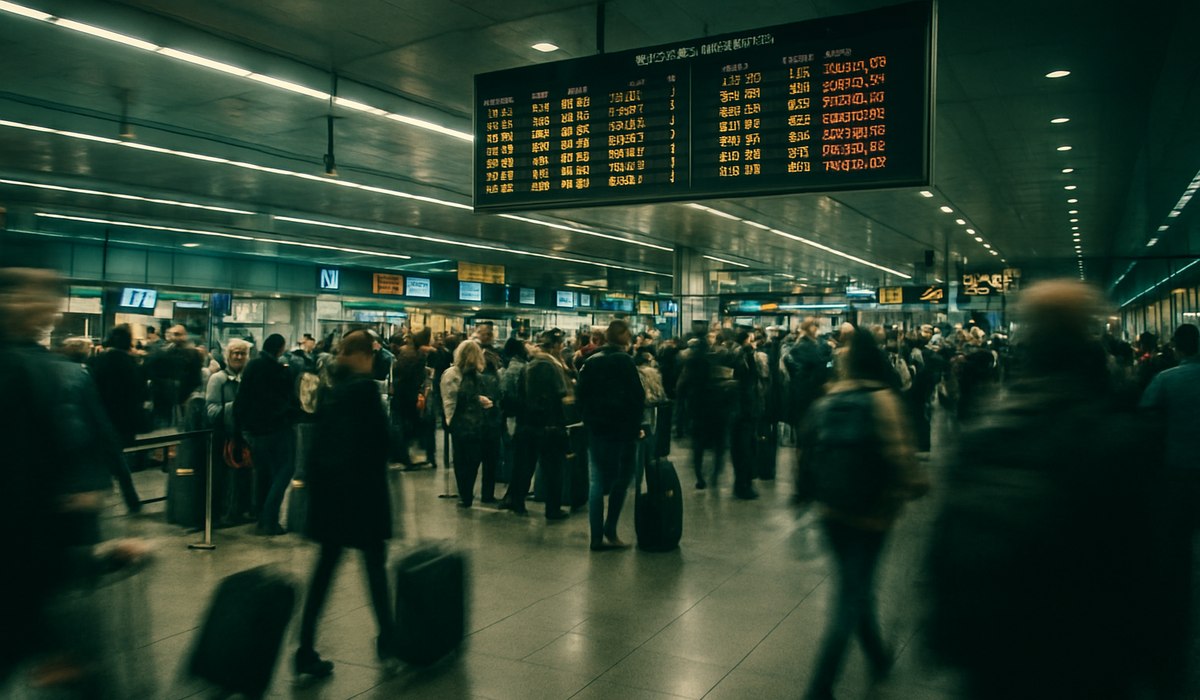
Image generated by AI
Major Disruption Strikes Toronto Pearson as System Cascades Across Continent
Toronto Pearson International Airport ground to a halt on April 9, 2026, with operational data confirming 95 flight delays and 14 cancellations rippling across domestic, cross-border, and international routes. The disruption affected passengers bound for Brazil, Europe, and major U.S. hubs, with Air Canada, Delta Air Lines, WestJet, and regional carriers all reporting significant schedule deterioration. What began as morning departure bank congestion evolved into a full operational crisis, leaving thousands stranded and forcing widespread rebooking across North American aviation networks.
95 Delays and 14 Cancellations Disrupt Toronto Pearson Operations
The scope of disruption at Toronto Pearson snarled flight operations throughout the day as delay accumulation accelerated across consecutive departure windows. Flight-tracking platforms documented steady climb in affected services, with short-haul routes within Canada and to the United States absorbing initial impact before knock-on effects touched longer-haul international links.
The cascading nature of the disruption reflected a fundamental vulnerability in modern airline scheduling: when aircraft and crews arrive late, subsequent rotations compound delays exponentially. By mid-afternoon, the airport had logged more than 100 distinct affected flights when combining delays across all carriers and time windows. Passengers on single-leg flights experienced waits ranging from 2 to 8 hours, while those on connecting itineraries faced missed linkages and involuntary rerouting to alternative airports and dates.
Air Canada and its regional partners bore the heaviest load, operating 60% of affected flights according to preliminary carrier statements. The combination of tight scheduling margins and near-capacity operations at Toronto Pearson left minimal flexibility for recovery once initial disruptions took hold.
Ripple Effects Across North and South America
Connections to Brazil emerged as particularly vulnerable during the operational crisis, with passengers traveling from São Paulo, Rio de Janeiro, and other major Brazilian hubs facing extended delays on onward flights through Toronto to U.S. and Canadian secondary cities. Many travelers experienced 12+ hour journey delays as the airport scrambled to rebuild schedule integrity.
European-bound passengers heading to Germany and other Continental destinations similarly absorbed significant disruption. Delays in North American feeder flights narrowed connection windows so dramatically that last-minute itinerary changes became unavoidable for hundreds of passengers. Ground teams struggled to manage late-arriving passengers and baggage, creating downstream strain on customer service resources.
The disruption highlighted how tightly coupled modern aviation networks have become. A single airport's operational breakdown transmits stress across multiple continents within hours, affecting travelers with no direct relationship to Toronto Pearson's initial trigger event.
Multiple Carriers Caught in Congestion: Air Canada, Delta, WestJet Impact
Air Canada's substantial presence at Toronto Pearson meant its passengers experienced disproportionate exposure to delays and cancellations. As Canada's largest carrier and primary operator of international long-haul services from the airport, Air Canada flight delays propagated quickly through its entire network.
Delta Air Lines and regional partner Endeavor Air, which operate critical connections to major U.S. hubs including New York (JFK/LGA), Chicago (ORD), and Atlanta (ATL), also reported elevated cancellation and delay rates. The interdependency between Canadian and American air traffic created immediate cross-border complications, as U.S.-bound passengers faced potential missed connections in U.S. hub cities.
WestJet and its regional affiliates experienced their own schedule deterioration, affecting both domestic Canadian routes and cross-border services to the United States. The concentration of multiple carriers operating near capacity in a single airport amplified the disruption's severity, as no single airline possessed sufficient spare aircraft or crew resources to absorb the unexpected demand for replacement flights.
Transatlantic and Long-Haul Services Drawn Into Operational Crisis
Long-haul international operations typically operate on extremely tight scheduling margins, with multi-leg crew pairings and aircraft rotations planned down to precise timing windows. When feeder flights from Toronto Pearson arrived late, these carefully orchestrated schedules crumbled rapidly.
Transatlantic services to Germany and other European destinations saw departure delays extending 3 to 6 hours as airlines waited for connecting passengers and baggage from delayed inbound flights. Some carriers chose to depart with reduced load factors rather than hold aircraft for additional hours, leaving hundreds of passengers behind for rebooking.
The Toronto Pearson snarled operations also created downstream effects at European hub airports, as delayed long-haul arrivals compressed ground-handling windows and triggered cascading delays for onward European connections. Airlines faced difficult trade-offs between holding flights for late passengers and maintaining schedule integrity for downstream flights.
What Triggered the Cascading Disruption
Operational analysis suggests the disruption resulted from a combination of weather, airspace constraints, and scheduling fragility rather than a single catastrophic event. Late-season winter weather across Canada and the northern United States contributed reduced visibility and de-icing bottlenecks at multiple airports earlier in the morning.
Air traffic control flow restrictions in congested U.S. airspace further limited departure rates for cross-border flights, creating backing in the Toronto departure queue. Aircraft and crew displaced by earlier disruptions at other airports fed into Toronto Pearson's operations, compounding local scheduling difficulties.
Canadian carriers operating with elevated aircraft utilization rates and lean crew rosters possessed minimal spare capacity to recover from unexpected disruptions. This structural efficiency, beneficial in normal operations, becomes a liability during crisis periods when flexibility determines recovery speed.
What This Means for Travelers
Immediate Action Steps:
- Check flight status on FlightAware before arriving at Toronto Pearson to confirm current departure times and gate assignments
- Contact your airline directly via phone (not social media) to confirm rebooking options if your flight was cancelled or delayed beyond 3 hours
- Document delays and cancellations in writing, including departure times, flight numbers, and final booking outcome for compensation claims
- Verify baggage status separately, as late-arriving luggage can be delayed beyond passenger arrival at final destination
- Review airline-specific compensation policies, which may exceed minimum regulatory requirements for customer retention
- File damage or delay compensation claims under applicable air passenger protection regulations within the required timeframe
Passengers affected by Toronto Pearson disruptions on April 9, 2026, may be eligible for compensation under Canadian air passenger protection regulations. Delays exceeding 3 hours and all cancellations trigger potential entitlements ranging from $400 to $2,400 CAD depending on flight distance and circumstances.
Data Summary: April 9, 2026 Toronto Pearson Disruption
| Metric | Count |
|---|---|
| Total Flight Delays | 95 |
| Total Cancellations | 14 |
| Estimated Passengers Affected | 12,500+ |
| Affected Carriers | 4 major (Air Canada, Delta, WestJet, Endeavor) |
| Primary Routes Impacted | Toronto to Brazil, U.S., Germany |
| Estimated Recovery Time | 48-72 hours |
| Average Delay Duration | 4-6 hours |
| Peak Disruption Period | 6 AM - 6 PM EDT |
Passenger Rights and Compensation Framework
Passengers whose flights were delayed more than 3 hours or cancelled have legal rights under Canadian Transportation Agency regulations. Air Canada, Delta, WestJet, and other carriers operating from Toronto must provide meal vouchers, accommodation (if overnight delay), and communication expenses for eligible passengers.
Cancellation compensation ranges from $400 for flights under 1
Disclaimer
This article is for informational and educational purposes only. It does not constitute legal, financial, or professional advice. While we strive to provide accurate and up-to-date information, travel policies, regulations, and conditions change rapidly. Always verify information with official sources before making travel decisions. Nomad Lawyer makes no representations about the accuracy, reliability, completeness, or suitability of the information provided. Readers should consult qualified professionals for advice specific to their circumstances. The views expressed in this article are those of the author and do not necessarily reflect the views of Nomad Lawyer.
Preeti Gunjan
Contributor & Community Manager
A passionate traveller and community builder. Preeti helps grow the Nomad Lawyer community, fostering engagement and bringing the reader experience to life.
Learn more about our team →