
Flyers Face Wave of Delays at LAX as Major Carriers Struggle Friday
Flyers face wave of disruptions at Los Angeles International Airport on Friday, April 10, 2026, with 69 delays and 10 cancellations affecting Delta, United, and Lufthansa across transcontinental routes.

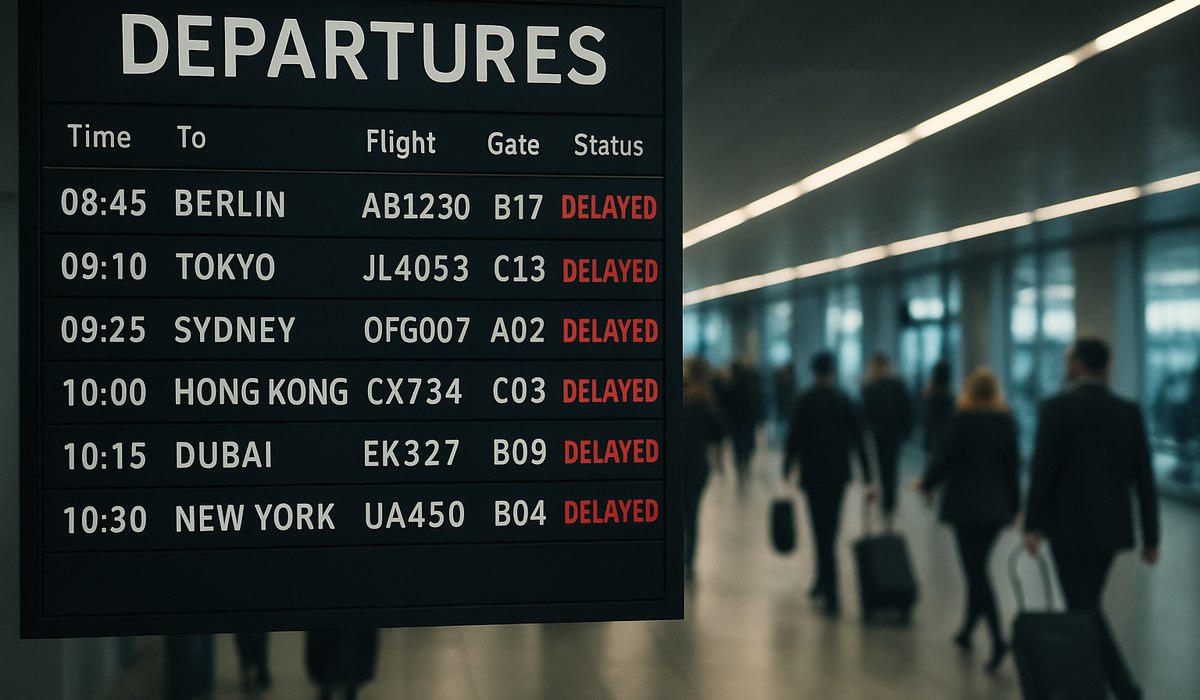
Image generated by AI
Significant Flight Disruptions Rock LAX on Friday
Passengers at Los Angeles International Airport encountered substantial travel disruptions Friday as flyers face wave of operational challenges across major carriers. Flight-tracking data documented at least 69 delays and 10 cancellations affecting Delta Air Lines, United Airlines, Lufthansa, and regional partners. The disruptions snarled routes connecting LAX to San Francisco, Detroit, Honolulu, and New York City, forcing hundreds of travelers to rebook connections and adjust same-day itineraries. Peak impact occurred during morning and midday departure windows, with delays extending beyond 90 minutes for a growing share of affected flights.
Broad Disruptions Across Major Carriers at LAX
Los Angeles International experienced elevated operational strain compared to typical spring travel days, with disruptions clustering among major network carriers operating from the airport's largest terminals. Delta Air Lines, which maintains significant operations from Terminals 2 and 3, emerged as one of the most affected carriers, alongside United Airlines and Star Alliance partner Lufthansa managing both domestic and international connections.
The scale of disruption—spanning 69 delayed flights and 10 cancellations—reflects cascading network effects characteristic of major hub airports. Regional feeder services and transcontinental routes experienced disproportionate impact, with partner carriers operating under major-airline brands showing rolling departure-time revisions throughout the day. This pattern typically ripples through an entire airline's network as aircraft and crew assignments fall out of planned sequences, compounding delays across multiple departure banks and affecting both outbound and inbound services.
Check FlightAware for real-time tracking of affected flights and current gate assignments.
Key Routes Hit: West Coast to East Coast Impact
The most visible disruption points emerged on major trunk corridors linking LAX to other U.S. hubs. The Los Angeles–San Francisco corridor, one of America's busiest domestic routes with frequent shuttle-style service, registered multiple delays across competing carriers. Business travelers and commuters relying on consistent scheduling faced compressed timelines and missed connection opportunities.
Midwest-bound flights to Detroit and other regional hubs triggered downstream effects across the East Coast network. Published flight-status boards showed altered arrival windows for numerous Detroit-bound services, disrupting connecting traffic to secondary cities throughout the afternoon and evening.
Leisure travelers heading to Honolulu experienced schedule slippages ranging from modest delays to extended operational holds. For passengers holding inter-island connections or cruise departures timed to LAX arrivals, even moderate delays cascaded into missed check-ins and unplanned overnight accommodations.
Transcontinental services to the New York City area—including John F. Kennedy, LaGuardia, and Newark airports—also reported significant disruptions. Business passengers planning evening meetings or time-sensitive arrivals faced substantial schedule uncertainty and potential missed commitments.
Extended Delays Force Passenger Rebooking and Network Cascades
As delays accumulated throughout Friday, airlines activated rebooking protocols for passengers unable to board scheduled flights or facing missed connections. The 90-plus-minute delays pushed beyond standard customer accommodation thresholds, triggering meal vouchers, hotel rebooking, and transportation arrangements for stranded travelers.
Network cascades amplified initial disruptions as aircraft and crew fell out of position for subsequent flights. A single delayed flight can compress schedules for downstream services, particularly on long-haul routes requiring specific aircraft types and international crew rest requirements. Lufthansa's schedule pressure, stemming from concurrent German operations, intensified these cascading effects for Star Alliance partners including United Airlines. For passengers booked on codeshares marketed by one carrier but operated by another, this created confusion as flight-tracking apps displayed differing statuses during airline operational planning.
Recovery typically extends several days for long-haul operations, as aircraft and crew rotations require precise coordination across multiple intercontinental movements. Passengers reaching European hubs after missed connections faced potential stranding and substantial rebooking complexities.
Lufthansa Labor Action Contributes to Cascading Disruptions
A scheduled one-day cabin-crew strike at Lufthansa in Germany on April 10 significantly contributed to LAX disruptions. The walkout forced the carrier to trim scheduled services and issue advance cancellation warnings across its international network, including U.S. routes.
While not all Lufthansa services from Los Angeles faced direct cancellation, reduced staffing and altered crew rotations in European hubs created schedule pressure affecting westbound flights from the U.S. and corresponding eastbound returns. Reduced aircraft availability rippled through interconnected networks, affecting passengers on codeshare flights marketed by United and other Star Alliance partners but operated under Lufthansa flight numbers.
Third-party flight trackers and airline applications sometimes displayed conflicting status information during the strike period, adding passenger confusion. Industry analyses indicate that single-day widespread cancellations typically generate disruption cascades lasting several additional days, particularly for long-haul operations with complex crew and aircraft coordination requirements.
What Travelers Should Know About Same-Day Changes
Airlines typically offer several options for passengers facing schedule changes and cancellations. Most carriers provide rebooking on the next available flight to your destination, potentially using partner carriers to expedite travel. Refund options remain available if you choose not to accept alternative routing.
When delays exceed specific thresholds—typically 3+ hours for domestic flights, 4+ hours for international services—U.S. Department of Transportation regulations may entitle you to compensation and care provisions including meals, lodging, and ground transportation. Review your airline's specific policies, as coverage varies by carrier and flight type.
For missed connections, your original ticket generally covers rebooking on next-available service without additional fees. Document all expenses related to delays, including receipts for meals and accommodations, as these support potential compensation claims. Contact your airline's customer service immediately rather than waiting for automatic rebooking, as proactive communication often yields faster resolution and better accommodation options.
International travelers should verify visa implications of extended delays, as arrival schedule changes may affect travel documentation validity. Connecting flight reservations with other airlines may require separate rebooking coordination.
Monitor the FAA website for airport-specific operational updates and ground delay program information.
Traveler Action Checklist
-
Check real-time flight status using FlightAware or your airline's official app before heading to LAX.
-
Contact your airline directly rather than waiting for automated rebooking if your flight shows delay or cancellation.
-
Document all receipts for meals, transportation, and lodging to support compensation claims under U.S. DOT regulations.
-
Request written confirmation of rebooking details, including flight number, departure time, and any guarantee for your destination.
-
Review passenger rights through your airline's official website and DOT resources before filing complaints or compensation requests.
-
Verify visa and immigration implications if delays extend your arrival to international destinations.
-
Notify hotel and ground transportation providers of revised arrival times as soon as confirmed changes are available.
Impact Data and Operational Metrics
| Metric | Value | Impact |
|---|---|---|
| Total Flight Delays | 69 | Major carriers across multiple terminals affected |
| Total Cancellations | 10 | Passengers rebooked across multiple routing options |
| Delays Exceeding 90 Minutes | Growing percentage | Triggers rebooking and passenger care provisions |
| Primary Affected Carriers | Delta, United, Lufthansa | Dominates LAX hub operations |
| Major Route Corridors Impacted | LAX–SFO, LAX–DTW, LAX–HNL, LAX–NYC area | Transcontinental and regional networks strained |
| External Contributing Factor | Lufthansa Germany |
Disclaimer
This article is for informational and educational purposes only. It does not constitute legal, financial, or professional advice. While we strive to provide accurate and up-to-date information, travel policies, regulations, and conditions change rapidly. Always verify information with official sources before making travel decisions. Nomad Lawyer makes no representations about the accuracy, reliability, completeness, or suitability of the information provided. Readers should consult qualified professionals for advice specific to their circumstances. The views expressed in this article are those of the author and do not necessarily reflect the views of Nomad Lawyer.
Preeti Gunjan
Contributor & Community Manager
A passionate traveller and community builder. Preeti helps grow the Nomad Lawyer community, fostering engagement and bringing the reader experience to life.
Learn more about our team →