
Cruise Hefty Blow: Supreme Court Revives $440M Lawsuit Against Four Lines
Four major cruise operators face potential $440 million in fines after the US Supreme Court's 8-1 decision revives litigation over confiscated Havana property used during 2016-2019 Cuba sailings in 2026.

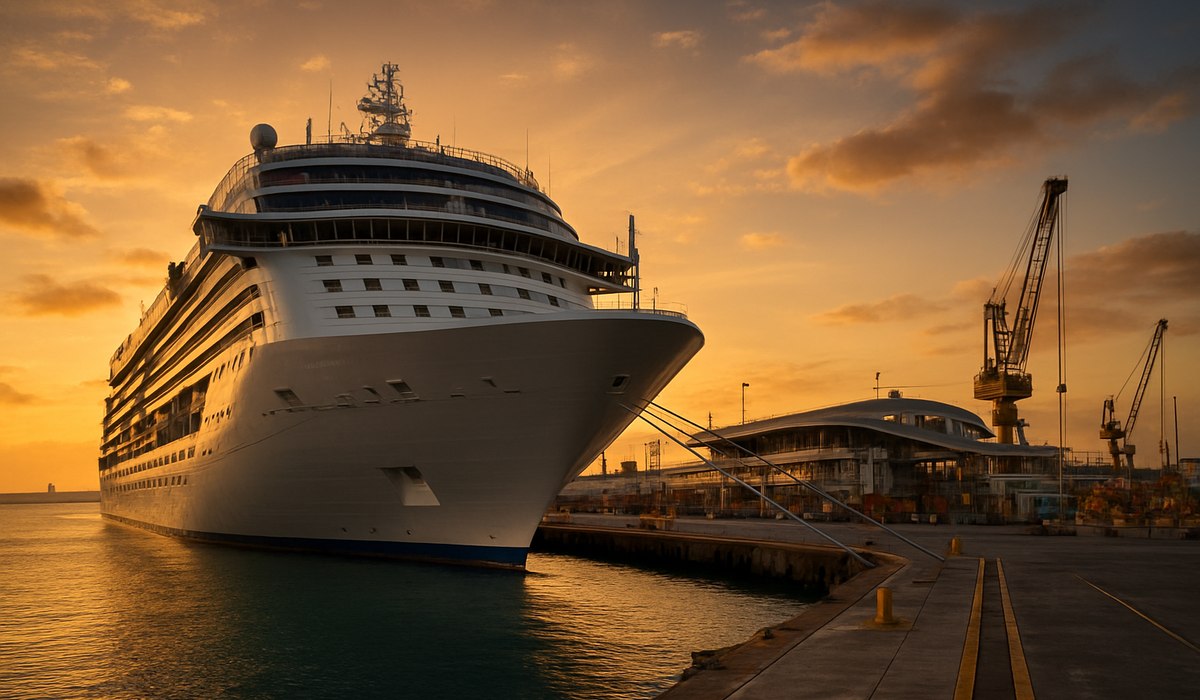
Image generated by AI
The Cruise Hefty Blow: Supreme Court's Historic 8-1 Decision Explained
Four major cruise operators—Carnival Corporation, Royal Caribbean, Norwegian Cruise Line Holdings, and MSC Cruises—now face potential $440 million in fines after the U.S. Supreme Court issued an 8-1 decision on May 21, 2026, reviving litigation over confiscated Cuban property. The case centers on cruise terminal usage at Havana Docks during sailings that occurred between 2016 and 2019, when Cuba travel was temporarily permitted under limited agreements. Justice Clarence Thomas's majority opinion determined that Havana Docks Corporation maintains a legitimate claim to the facility, effectively reopening a complex property rights dispute rooted in Cuba's 1959 communist revolution and decades of subsequent legal battles.
This Supreme Court ruling does not automatically impose fines on the cruise lines. Rather, it permits the original lawsuit to proceed through the judicial system, allowing Havana Docks Corporation to pursue damages for what it claims represents illegal use of confiscated property. The decision reverses a 2024 appeals court ruling that had dismissed the case entirely, arguing the cruise lines bore no liability since Havana Docks's lease had expired in 2004—years before the 2016 resumption of Cuba cruises.
Which Cruise Lines Are Affected and Why
The cruise hefty blow targets four industry giants that collectively brought nearly one million passengers to Cuba during the permissible travel window. Carnival Corporation, Royal Caribbean, Norwegian Cruise Line Holdings, and MSC Cruises operated scheduled sailings to Havana under President Obama's 2016 policy adjustments, which classified the trips as "people-to-people" educational exchanges rather than traditional tourism.
At the time of operation, these sailings were entirely legal. Cruise lines marketed multi-day itineraries featuring cultural excursions, music festivals, and historical tours designed to comply with the "people-to-people" framework. Passengers paid standard cruise fares, and the lines collected substantial revenue from these voyages.
The legal jeopardy emerged from the 1996 Helms-Burton Act, legislation permitting American citizens to sue foreign entities profiting from property confiscated by the Cuban government. Havana Docks Corporation, the American company that originally developed the terminal under a 99-year lease beginning in 1905, invoked this statute to claim the cruise lines had engaged in illegal trafficking of confiscated property. For more details on the affected cruise operators, visit Cruise Critic's comprehensive coverage.
The Complex History of Havana Docks Property Rights
Understanding this litigation requires examining nearly 130 years of property ownership disputes. The timeline reveals how historical events created the legal foundation for today's $440 million dispute.
In 1905, Havana Docks Corporation signed a 99-year lease on Cuban port property and developed the cruise terminal infrastructure. This arrangement appeared straightforward until 1959, when Fidel Castro's revolutionary government seized control of all major commercial facilities. Castro never compensated the American company, effectively nationalizing the asset.
The property remained under Cuban state control for decades. However, when President Obama normalized diplomatic relations with Cuba in 2015, limited travel restrictions eased. The cruise hefty blow lawsuit argues that cruise lines should have recognized the legitimacy of Havana Docks's historical claim when they resumed operations in 2016. The corporation maintained that its 99-year lease, though technically expired in 2004, created an ongoing property interest that cruise lines violated by using the facility without proper compensation.
What Happens Next in the Litigation
The Supreme Court's decision establishes that the lawsuit proceeds to trial-level proceedings, where attorneys for Havana Docks must prove damages and establish the cruise lines' liability. This phase could extend multiple years as both sides present evidence, expert testimony regarding property valuation, and arguments about the applicability of the Helms-Burton Act.
Currently, no cruise line operates sailings to Cuba. President Trump's 2019 reinstatement of travel restrictions remains in effect as of 2026. The U.S. Department of State maintains a Level 2 advisory for Cuba, citing electrical grid instability and elevated crime rates. Additionally, U.S. law completely prohibits tourist travel to the destination.
The litigation's outcome may influence future cruise line decisions about Cuban operations if political conditions change. Many industry analysts expect settlement negotiations to occur before trial, as prolonged litigation creates ongoing reputational and financial uncertainty. Visit the official Royal Caribbean website and other cruise operator pages for their official statements regarding this matter.
Cruise Itinerary at a Glance
| Aspect | Details |
|---|---|
| Primary Destination | Havana, Cuba |
| Operating Period | 2016–2019 (current sailings suspended) |
| Cruise Lines Involved | Carnival, Royal Caribbean, Norwegian, MSC |
| Annual Passengers (Peak) | Approximately 1 million combined |
| Trip Classification | People-to-people educational exchanges |
| Primary Terminal | Havana Docks (confiscated property) |
| Lawsuit Amount | $440 million in potential fines |
| Supreme Court Decision Date | May 21, 2026 |
| Helms-Burton Act | Legislation enabling confiscation-based lawsuits (1996) |
| Current Cuba Travel Status | Prohibited for U.S. tourists; Level 2 State Department advisory |
What This Means for Travelers
The cruise hefty blow decision carries several implications for travelers and the cruise industry:
-
No Immediate Itinerary Changes: Cruise lines are not currently operating Cuba sailings, so existing bookings remain unaffected. However, if cruise operators resume Cuban operations following potential settlement or political changes, passengers should monitor litigation outcomes.
-
Future Pricing Considerations: If cruise lines ultimately pay settlements or judgments, operational costs may increase, potentially raising future Cuba cruise fares once sailings resume.
-
Legal Precedent for Travel: The ruling establishes that cruise operators cannot assume historical grievances automatically expire. Companies must verify property ownership and usage rights when operating in destinations with complex confiscation histories.
-
Political Dependency: Cuba cruise availability depends entirely on U.S. government travel policy. Track State Department advisories and presidential proclamations for any policy reversals before booking future sailings.
-
Verification Before Booking: When Cuba cruises eventually resume, verify the specific terminal operators and confirm that cruise lines have resolved all outstanding legal disputes before purchasing tickets.
Frequently Asked Questions
Q: Can cruise lines appeal the Supreme Court decision? A: No. The Supreme Court represents the final appellate authority in the U.S. judicial system. Cruise lines cannot appeal this decision further but may negotiate settlements or present new arguments during trial proceedings.
Q: Will cruise lines resume Cuba sailings? A: Not unless U.S. government travel policy changes. Current law prohibits tourist travel to Cuba. Any policy reversal would require presidential action or congressional legislation.
Q: How much does each cruise line owe? A: The $440 million represents a collective figure for all four operators. Individual liability amounts depend on trial evidence and each line's specific passenger volume and revenue from Cuba sailings during 2016-2019.
Q: What is the Helms-Burton Act? A: Passed in 1996, this legislation permits American citizens and corporations to sue foreign entities profiting from Cuban government confiscations. It specifically applies to properties seized after the 1959 revolution.
Related Travel Guides
Disclaimer
This article is for informational and educational purposes only. It does not constitute legal, financial, or professional advice. While we strive to provide accurate and up-to-date information, travel policies, regulations, and conditions change rapidly. Always verify information with official sources before making travel decisions. Nomad Lawyer makes no representations about the accuracy, reliability, completeness, or suitability of the information provided. Readers should consult qualified professionals for advice specific to their circumstances. The views expressed in this article are those of the author and do not necessarily reflect the views of Nomad Lawyer.
Preeti Gunjan
Contributor & Community Manager
A passionate traveller and community builder. Preeti helps grow the Nomad Lawyer community, fostering engagement and bringing the reader experience to life.
Learn more about our team →