
White House Explores Emergency Powers to Intervene in Spirit Airlines Takeover Bid
Breaking airline news and aviation industry updates for 2026.

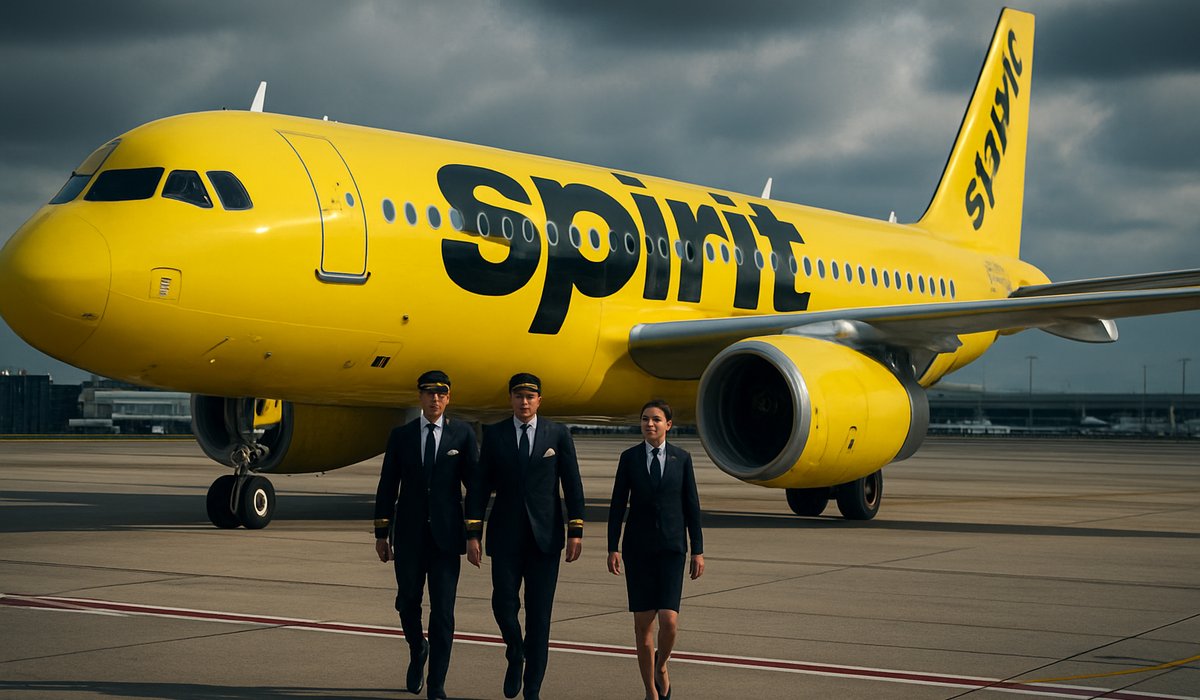
Image generated by AI
White House Explores Emergency Powers to Intervene in Spirit Airlines Takeover Bid
Federal officials consider invoking Cold War-era legislation amid growing concerns over aviation market consolidation and consumer protection
Government Weighs Extraordinary Measures in Commercial Aviation Deal
The White House is actively exploring the use of the Defense Production Act—a Cold War-era statute traditionally reserved for national security crises—as a potential tool to influence the outcome of a proposed takeover involving struggling budget carrier Spirit Airlines, according to reporting from CBS News.
The extraordinary consideration reflects deepening federal concern about further market consolidation within the already concentrated U.S. aviation sector, where consumer advocates and regulators have grown increasingly alarmed about rising airline fees, baggage charges, and reduced route competition.
Regulatory Scrutiny at Historic Levels
The intervention discussions come as airline mergers face unprecedented governmental scrutiny. The U.S. aviation industry has consolidated dramatically over the past two decades, with the "Big Three"—American Airlines, Delta Air Lines, and United Airlines—controlling roughly 80% of domestic capacity. Spirit Airlines, already operating on razor-thin margins and burdened by high jet fuel costs and mounting debt, has become a focal point in broader debates about market structure and passenger rights.
Federal officials cited in the reporting expressed concerns that allowing Spirit's acquisition without intervention could further diminish competitive pressures that traditionally force carriers to moderate baggage fees, seat selection charges, and other ancillary revenue practices that have increasingly frustrated consumers.
Historic Use of Emergency Authority
Invoking the Defense Production Act would represent a dramatic escalation of government involvement in commercial aviation deals. The legislation, enacted during the Korean War, grants the president sweeping authority to direct private industry toward national security objectives. Its application to an airline transaction—rather than weapons manufacturing or critical infrastructure—would mark a striking expansion of how administrations interpret the statute's scope.
Industry analysts note that such intervention could set precedent for federal involvement in other sectors where market consolidation raises competitive concerns, particularly following years of elevated jet fuel prices and volatile airline profitability that have reshaped industry dynamics.
Competing Pressures Shape Decision
The White House's deliberation signals tension between traditional free-market principles and interventionist impulses driven by consumer protection priorities. Officials must weigh whether blocking or conditioning a takeover serves broader public interests or whether such actions constitute overreach into commercial negotiations.
Aviation observers expect clarity on the administration's stance within coming weeks, as the deal's timeline progresses and regulatory deadlines approach.
Frequently Asked Questions
What is the Defense Production Act and why would it apply to Spirit Airlines? The Defense Production Act grants presidents emergency powers to direct private industry toward national security goals. Its potential application to Spirit Airlines represents an extraordinary expansion, as the statute traditionally addresses weapons production or critical infrastructure rather than commercial aviation competition.
How do airline fees and jet fuel prices connect to this takeover decision? Rising jet fuel prices have squeezed airline margins industry-wide, forcing carriers to increase baggage charges and ancillary fees to maintain profitability. Federal concern about further consolidation centers on protecting consumers from reduced competitive pressure that typically keeps these fees in check.
What impact would Spirit Airlines' consolidation have on aviation competition? Absorption of Spirit by a larger carrier would reduce the number of ultra-low-cost competitors, potentially enabling surviving airlines to sustain higher baggage fees and reduce service to price-sensitive routes where budget carriers traditionally compete aggressively.
Could this precedent affect other airline mergers or industry consolidation? Yes—intervention in Spirit's situation could establish new standards for federal review of aviation transactions and potentially extend to other industries where market concentration raises consumer protection concerns.
When will the White House make a final decision on Spirit Airlines? Timeline specifics remain unclear, but regulatory deadlines and deal momentum suggest a determination within weeks as the transaction advances through federal review processes.
Related Travel Guides
Flight Delay Compensation Guide 2026
Understanding Airline Route Changes
Airport Security Process Updated (2026)
External Resources
Disclaimer
This article is for informational and educational purposes only. It does not constitute legal, financial, or professional advice. While we strive to provide accurate and up-to-date information, travel policies, regulations, and conditions change rapidly. Always verify information with official sources before making travel decisions. Nomad Lawyer makes no representations about the accuracy, reliability, completeness, or suitability of the information provided. Readers should consult qualified professionals for advice specific to their circumstances. The views expressed in this article are those of the author and do not necessarily reflect the views of Nomad Lawyer.
Kunal K Choudhary
Co-Founder & Contributor
A passionate traveller and tech enthusiast. Kunal contributes to the vision and growth of Nomad Lawyer, bringing fresh perspectives and driving the community forward.
Learn more about our team →