
Sudan and Sahel Security Crisis 2026: Impact of Interconnected Conflicts on African Tourism
Ongoing hostilities in Sudan and the Sahel region are reshaping security frameworks across the Horn of Africa, causing mass displacement and crippling international tourism markets in 2026.

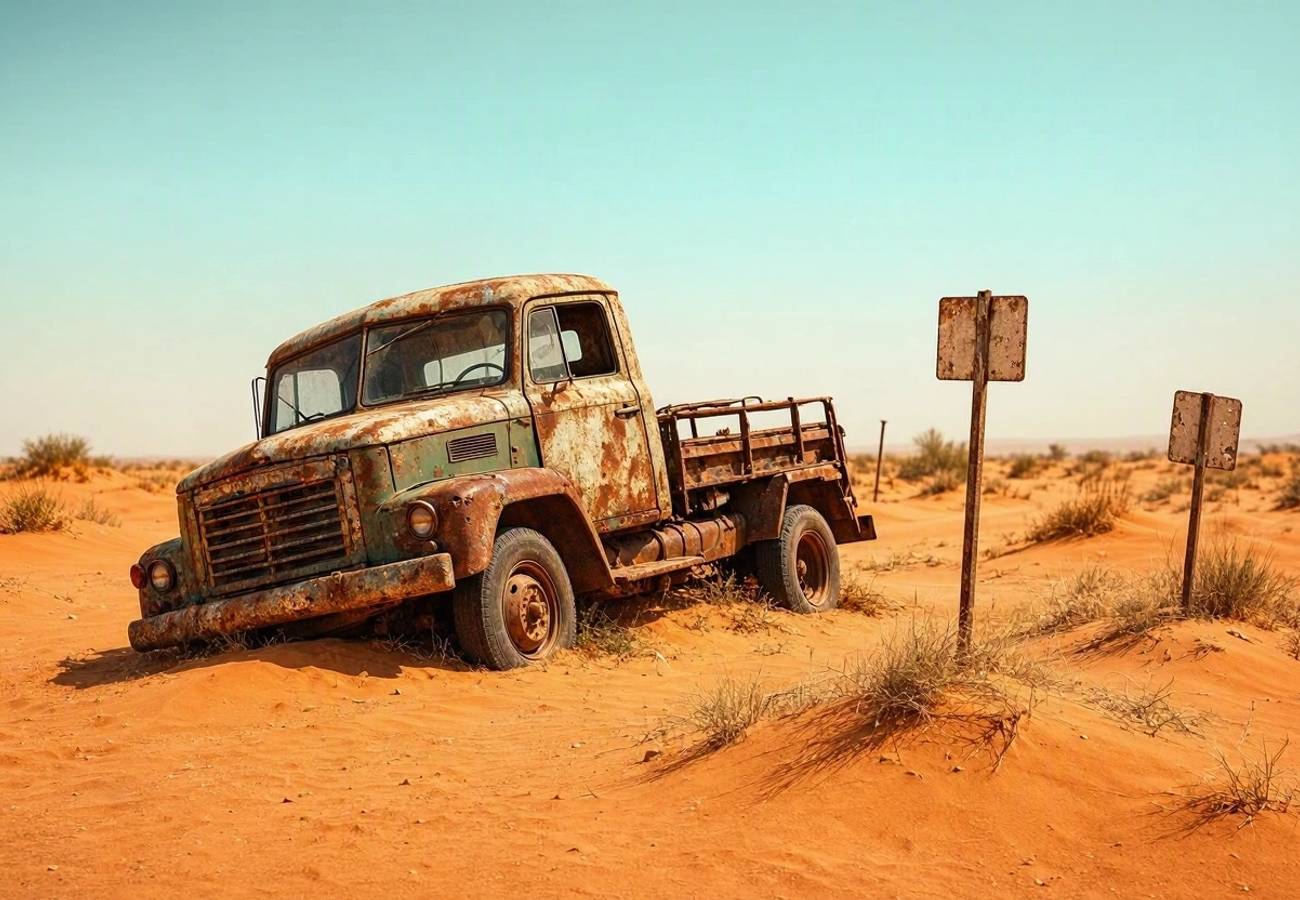
Image generated by AI
Internal displacement in Sudan has reached levels that now rank it as one of the largest displacement crises globally, while the Sahelian belt exhibits a contiguous line of instability stretching from the Red Sea to the Atlantic. This systemic collapse of security in 2026 is not a series of isolated events but a transnational web of insecurity that has effectively neutralized international tourism across the Horn of Africa and the wider Sahelian region.
The Security Crisis in Numbers — 2026 Metrics
The deterioration of security across Sudan and the Sahel is quantified by staggering humanitarian and infrastructure losses. Data from the UN High Commissioner for Refugees (UNHCR) and the World Food Programme (WFP) highlight a region in total systemic failure.
Current reporting indicates that tens of millions of individuals across Sudan and the Sahel are now facing acute food insecurity. In Sudan specifically, the conflict between the Sudanese Armed Forces (SAF) and the Rapid Support Forces (RSF) has resulted in tens of thousands of fatalities, as documented by the Armed Conflict Location & Event Data Project (ACLED).
The physical infrastructure supporting travel and habitation has been decimated. Official assessments confirm that a substantial majority of healthcare facilities in conflict zones are either destroyed or non-functional. Furthermore, thousands of schools remain closed, indicating a total breakdown of the social fabric required to sustain any form of commercial tourism or foreign investment.
Comparative Regional Instability Context
The current crisis is a culmination of structural fractures that began long before the 2026 escalation. While Sudan's collapse followed the failed transition after the 2019 removal of Omar al-Bashir, the Sahel region—including Mali, Burkina Faso, Niger, and Chad—has suffered from a compounding deficit of governance and climate-induced resource scarcity.
The following table compares the security and humanitarian status of the two primary affected zones in 2026:
| Metric | Sudan (Horn of Africa) | Sahel Belt (Mali, Niger, Burkina Faso, Chad) |
|---|---|---|
| Primary Conflict Driver | SAF vs. RSF Power Struggle | Insurgent Extremism & Governance Vacuums |
| Displacement Scale | Millions (Internal) / Hundreds of Thousands (Cross-border) | High Transnational Flow of Combatants & Refugees |
| Key Conflict Zones | Darfur, Kordofan, Khartoum, Al Jazirah | Trans-border regions from Red Sea to Atlantic |
| Infrastructure Status | Majority of healthcare/education facilities non-functional | Porous frontiers; high illicit finance/arms flow |
| Security Control | Strict movement controls in Port Sudan | Transitional military governments |
What This Means for Travelers
For the individual traveler, digital nomad, or business consultant, the data suggests that the Horn of Africa and the Sahel are currently untenable for non-essential travel. The shift from localized skirmishes to "interconnected conflicts" means that security risks are no longer confined to specific cities but are regional.
Actionable Guidance:
- Immediate Avoidance: Avoid all travel to Sudan, Mali, Burkina Faso, and Niger. The presence of drone warfare and heavy artillery in urban corridors like Khartoum makes traditional "safe zones" non-existent.
- Border Risks: Be aware that refugees are flooding into Chad, Egypt, South Sudan, the Central African Republic, and Ethiopia. This has placed extreme pressure on municipal infrastructure in these host nations, leading to increased border securitization and strict identity verification protocols.
- Logistical Failures: Do not rely on local healthcare or transport infrastructure in these regions; official reports confirm the majority of these services have collapsed.
- Legal Caution: Given the intensified investigations by international tribunals into war crimes in these zones, any unauthorized presence in conflict-affected areas may carry significant legal and security risks.
Forward Projection: The 2027 Trajectory
Based on current trajectory data, stability will not return through military means alone. While the African Union (AU) and the Intergovernmental Authority on Development (IGAD) continue to broker ceasefires, the lack of enforcement mechanisms suggests a prolonged state of volatility.
We project that "security corridors" may emerge around administrative strongholds like Port Sudan, but the wider region will remain a "no-go" zone for tourism until inclusive political dialogues and economic revitalization occur. The transition of these crises into a "transnational web" means that a breakthrough in one country (e.g., Chad) will likely be negated by instability in another (e.g., Sudan) unless a coordinated regional framework is adopted.
FAQ: Sahel and Sudan Security 2026
Is it safe to travel to neighboring countries like Egypt or Ethiopia? While these nations are not the primary combat zones, they are hosting hundreds of thousands of refugees. Travelers should expect heightened security, strict border checks, and strained public infrastructure. Check current government travel advisories before booking.
Which regions in Sudan are the most dangerous? Darfur, Kordofan, Khartoum, and Al Jazirah are high-risk zones characterized by shelling, drone strikes, and heavy artillery. Port Sudan remains the primary administrative stronghold but operates under strict movement controls.
Will tourism recover in the Sahel soon? Unlikely. With the proliferation of non-state armed groups and the destruction of healthcare and education infrastructure, the region lacks the basic stability required for the return of international tourism in the short term.
What are the primary risks for business travelers in the region? The primary risks include kidnapping, indiscriminate shelling in urban centers, and legal complications arising from the breakdown of state institutions and the rise of military transitional governments.
The intersection of climate scarcity and political vacuum has transformed the Sahel into a blueprint for regional instability.
Related Travel Guides
Disclaimer
This article is for informational and educational purposes only. It does not constitute legal, financial, or professional advice. While we strive to provide accurate and up-to-date information, travel policies, regulations, and conditions change rapidly. Always verify information with official sources before making travel decisions. Nomad Lawyer makes no representations about the accuracy, reliability, completeness, or suitability of the information provided. Readers should consult qualified professionals for advice specific to their circumstances. The views expressed in this article are those of the author and do not necessarily reflect the views of Nomad Lawyer.
Raushan Kumar
Founder & Lead Developer
Full-stack developer with 11+ years of experience and a passionate traveller. Raushan built Nomad Lawyer from the ground up with a vision to create the best travel and law experience on the web.
Learn more about our team →