
Cyclone Arnab Threatens Andhra Pradesh Coast: Landfall Expected Near Kakinada October 28 2026
Tropical Cyclone Arnab is intensifying in the Bay of Bengal with winds of 120 km/h, threatening landfall near Kakinada, Andhra Pradesh, on October 28, 2026, causing widespread travel disruptions.

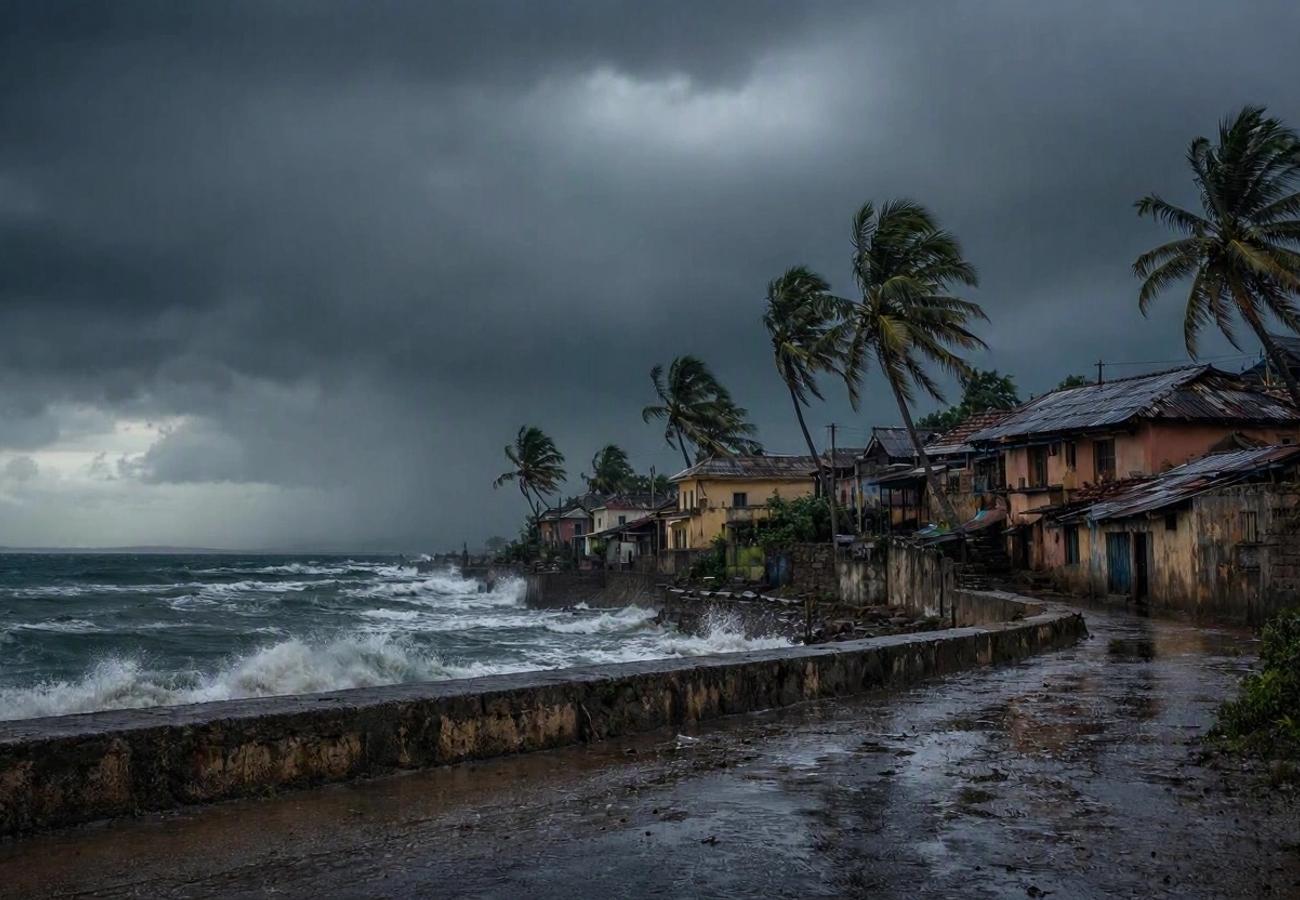
Image generated by AI
[Kakinada, October 27] — Tropical Cyclone Arnab is rapidly gaining strength over the Bay of Bengal, with a projected landfall near Kakinada, Andhra Pradesh, on the morning of Wednesday, October 28. The system is currently positioned roughly 600 kilometers east-south-east of Kakinada, moving westward with maximum sustained winds of 120 kilometers per hour and gusts peaking at 150 kilometers per hour.
The intensification is driven by sea surface temperatures between 29–30°C, high atmospheric moisture, and minimal vertical wind shear. While the primary impact is centered on India's eastern coastline, authorities in Bangladesh and other neighboring Bay of Bengal nations are coordinating maritime safety and weather monitoring to mitigate regional risks.
Meteorological Triggers and Intensification
The rapid development of Cyclone Arnab is the result of a specific set of atmospheric conditions. Warm ocean waters provide the thermal energy necessary for the system to organize thunderstorms around its center. Because the system is moving westwards, the Andhra Pradesh coastline is directly in the projected path.
Forecasters warn that while the current trajectory points toward Kakinada, the precise timing and location of landfall remain fluid. The India Meteorological Department (IMD) and regional disaster management agencies are issuing continuous updates as the system approaches the coast.
Regional Impact and Exposure Zones
The most immediate danger is concentrated in the coastal districts of Andhra Pradesh. The combination of high winds and extreme rainfall creates a high-risk environment for infrastructure and human safety.
Projected Weather Metrics and Risks
| Forecast Element | Reported Data | Potential Implications |
|---|---|---|
| Current Position | 600 km ESE of Kakinada | System is offshore but advancing toward India |
| Wind Speeds | 120 km/h (Sustained) / 150 km/h (Gusts) | Structural damage, downed power lines, hazardous roads |
| Rainfall | 100–250 mm (up to 400 mm isolated) | Severe urban flooding, landslides, transport cuts |
| Wave Height | Up to 5 meters | Coastal erosion, dangerous surf, port closures |
| Storm Surge | 1 to 1.5 meters above tide | Inundation of low-lying homes and saltwater intrusion |
What This Means for Travelers
For those currently in or traveling to eastern India, this is a high-alert situation. Corporate announcements regarding "potential disruptions" translate to the following practical realities:
- Aviation: Expect flight delays or cancellations at regional airports. Airlines may reroute flights to avoid the storm's path. Check your status via the Airports Authority of India (AAI).
- Rail and Road: Heavy rainfall (up to 400 mm in some areas) will likely lead to waterlogged tracks and submerged roads. Bridges and underpasses in low-lying urban areas are high-risk zones for flash flooding.
- Maritime: All fishing and tourist boat activities are suspended. The 5-meter wave forecast makes any shoreline activity lethal.
- Accommodations: Hotels in coastal Andhra Pradesh may implement emergency safety protocols or temporary closures. Guests should verify evacuation routes with hotel management immediately.
Emergency Response and Timeline
Landfall is expected Wednesday morning, October 28. However, the danger begins well before the eye of the storm hits. Residents and visitors are urged to follow instructions from local disaster management authorities.
Current directives include:
- Evacuation: Move to designated shelters if located in low-lying coastal settlements.
- Maritime Safety: All vessels must remain in harbor; no new departures are permitted into the hazardous zone.
- Infrastructure: Businesses are advised to secure all outdoor equipment and prepare for total power and communications failures.
Even after the center of Cyclone Arnab moves inland, the risk of landslides and flooding will persist across the interior of Andhra Pradesh due to the massive volume of projected rainfall.
FAQ: Cyclone Arnab 2026
When is Cyclone Arnab expected to hit land? Landfall is projected for the morning of Wednesday, October 28, 2026, specifically near Kakinada, Andhra Pradesh, though exact timing may shift.
Will flights to Andhra Pradesh be cancelled? While no blanket cancellations are confirmed, strong winds and heavy rain typically trigger delays or diversions. Passengers must check their flight status with their airline or the airport authority.
Is it safe to drive along the coast during the storm? No. With projected rainfall up to 400 mm and storm surges of 1.5 meters, coastal roads are likely to be submerged or blocked by fallen trees.
What should I do if I am staying in a coastal hotel? Follow all staff instructions, identify the nearest emergency shelter, and ensure you have access to essential medications and emergency contacts.
Stay clear of the shoreline and prioritize official government advisories over unofficial reports.
Related Travel Guides
Disclaimer
This article is for informational and educational purposes only. It does not constitute legal, financial, or professional advice. While we strive to provide accurate and up-to-date information, travel policies, regulations, and conditions change rapidly. Always verify information with official sources before making travel decisions. Nomad Lawyer makes no representations about the accuracy, reliability, completeness, or suitability of the information provided. Readers should consult qualified professionals for advice specific to their circumstances. The views expressed in this article are those of the author and do not necessarily reflect the views of Nomad Lawyer.
Naina Thakur
Contributor & Travel Specialist
Travel enthusiast and legal writer covering visa regulations, responsible tourism, and cultural journeys across global destinations.
Learn more about our team →