
Cambodia Stung Treng Expands Community-Based Nature Tourism
Cambodia's Stung Treng Province is driving sustainable tourism growth through eight community-led ecotourism initiatives along the Mekong River.
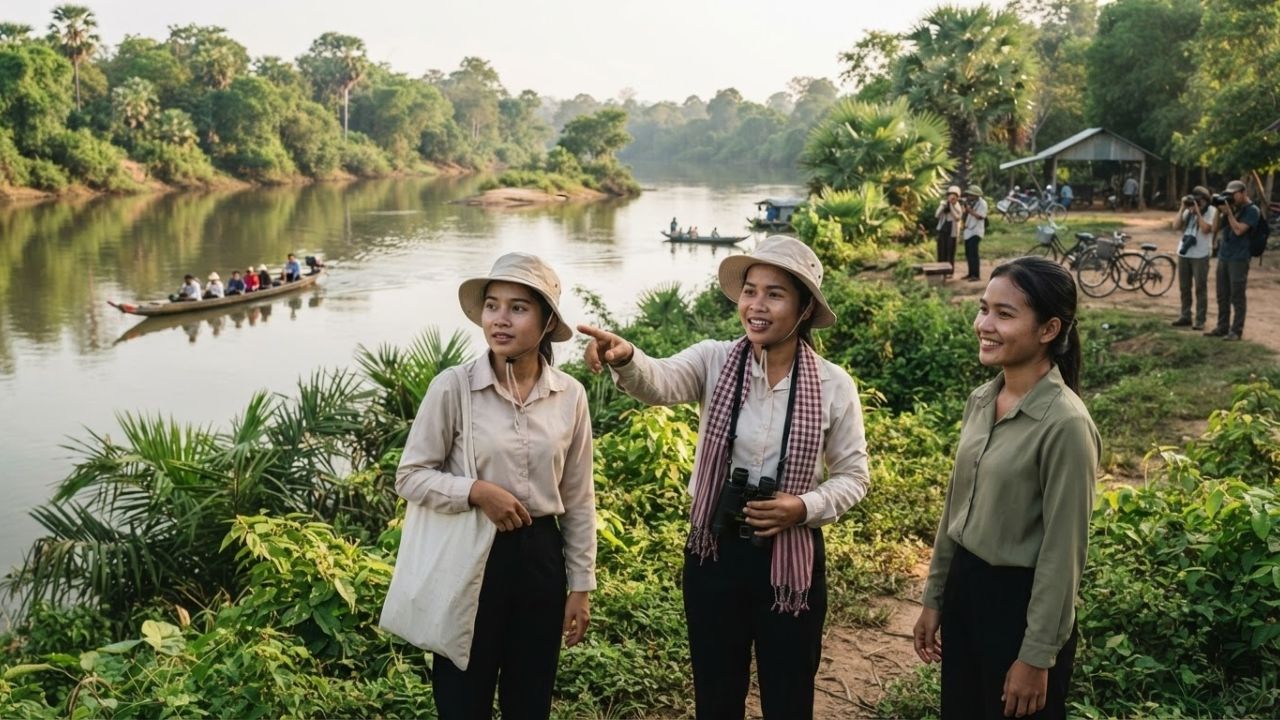
Image generated by AI
Empowering local residents as guardians of biodiversity along the Mekong River, Cambodia's Stung Treng Province is expanding eight community-based nature tourism hubs.
The Core Transit Update
Ecotourism strategies and regional passenger connectivity are developing along Cambodia's northern waterways. The Ministry of Tourism, led by H.E. HUOT Hak, held a dialogue with representatives of eight tourism communities from Stung Treng Province.
The initiative aims to expand community-based tourism (CBT) by utilizing the province's rich natural resources—including flooded forests, waterfalls, wetlands, and freshwater dolphin pools—to create sustainable economic assets that directly benefit local populations while protecting fragile Mekong ecosystems.
Ecotourism Communities & Sustainable Practices
Developing nature tourism along the Mekong requires coordinating visitor activities with community conservation rules. The following tables outline Stung Treng's key ecotourism communities and sustainable travel practices.
| Stung Treng Ecotourism Community | Key Local Natural Asset / Reserve | Main Passenger Activity | Strategic Development Rationale |
|---|---|---|---|
| Tbong Khla Dolphin Pool | Mekong freshwater dolphin pools | Dolphin watching & river cruising | Direct biodiversity monitoring |
| Borey O’Svay | Flooded forests & Mekong islands | Kayaking & community lodging | Promotes island conservation |
| Koh Han Beauty | Wetland biodiversity & river sandbars | Cycling tours & birdwatching | Protects local river ecosystems |
| Preah Rumkel | Sopheakmit waterfalls & rapids | Trekking & sunset viewing | Cross-border regional tourism link |
| O’Russey Kandal | Community forests & streams | Camping & nature trekking | Direct forest protection funding |
Profiles of Stung Treng's key community-based ecotourism hubs.
| Eco-Tourism Practice | Environmental & Local Benefit | Recommended Traveler Conduct | Strategic Community Impact |
|---|---|---|---|
| Green Season Visits | Distributes year-round income | Visit during rainy season months | Reduces seasonal employment drops |
| Licensed Guides Booking | Direct income for residents | Hire guides from local communities | Encourages resident resource ownership |
| Traditional Lodging | Direct economic benefit to host | Book community homestays | Funds local educational & health needs |
Responsible visitor behaviors in Stung Treng.
Traveler Logistics Guide
From a ground-level perspective, the best way to navigate this is to book your tours directly with community representatives upon arrival in Stung Treng, as this ensures your fees bypass intermediary agencies and directly support the local families managing the homestays, boats, and trail systems. Checking river levels is recommended.
To plan your ecotourism journey:
- Support the Green Season: Stung Treng's flooded forests and river ecosystems are particularly beautiful during the rainy season (June to October). Traveling during this period offers unique boating opportunities and supports year-round community employment.
- Observe Dolphin Safety Rules: When booking boat tours to view the Irrawaddy freshwater dolphins at Tbong Khla or Preah Rumkel, ensure your boat operator maintains a safe distance and shuts off the engine near the animals.
- Select Homestays: Choose community homestays in Borey O'Svay or Koh Preah to experience local culture and traditional food, contributing directly to village development funds.
- Pre-Arrange Local Transport: Local transport from Stung Treng town to remote community gateways is best arranged via local motorbikes or shared taxis. Coordinate these connections with your homestay host in advance.
Infrastructure Impact Assessment
The development of community-based ecotourism in Stung Treng plays a key role in protecting the biodiversity of the Mekong River basin.
By converting natural resources into sustainable economic assets, local residents have a direct incentive to prevent illegal logging and overfishing. The partnerships between the Ministry of Tourism, private operators, and local communities facilitate the development of walking paths, birdwatching towers, and clean sanitation systems, improving regional connectivity and tourism resilience.
Related Travel Guides
Caribbean Destinations Expand Tourist Taxes and Visitor Levies
Disclaimer
This article is for informational and educational purposes only. It does not constitute legal, financial, or professional advice. While we strive to provide accurate and up-to-date information, travel policies, regulations, and conditions change rapidly. Always verify information with official sources before making travel decisions. Nomad Lawyer makes no representations about the accuracy, reliability, completeness, or suitability of the information provided. Readers should consult qualified professionals for advice specific to their circumstances. The views expressed in this article are those of the author and do not necessarily reflect the views of Nomad Lawyer.