
Brazil Presidential Election Polls Intensify as Travel and Aviation Sector Monitors Evolving Outlook
Brazil's upcoming presidential election draws global tourism and airline attention as new AtlasIntel/Bloomberg polling shows Lula leading Flávio Bolsonaro.

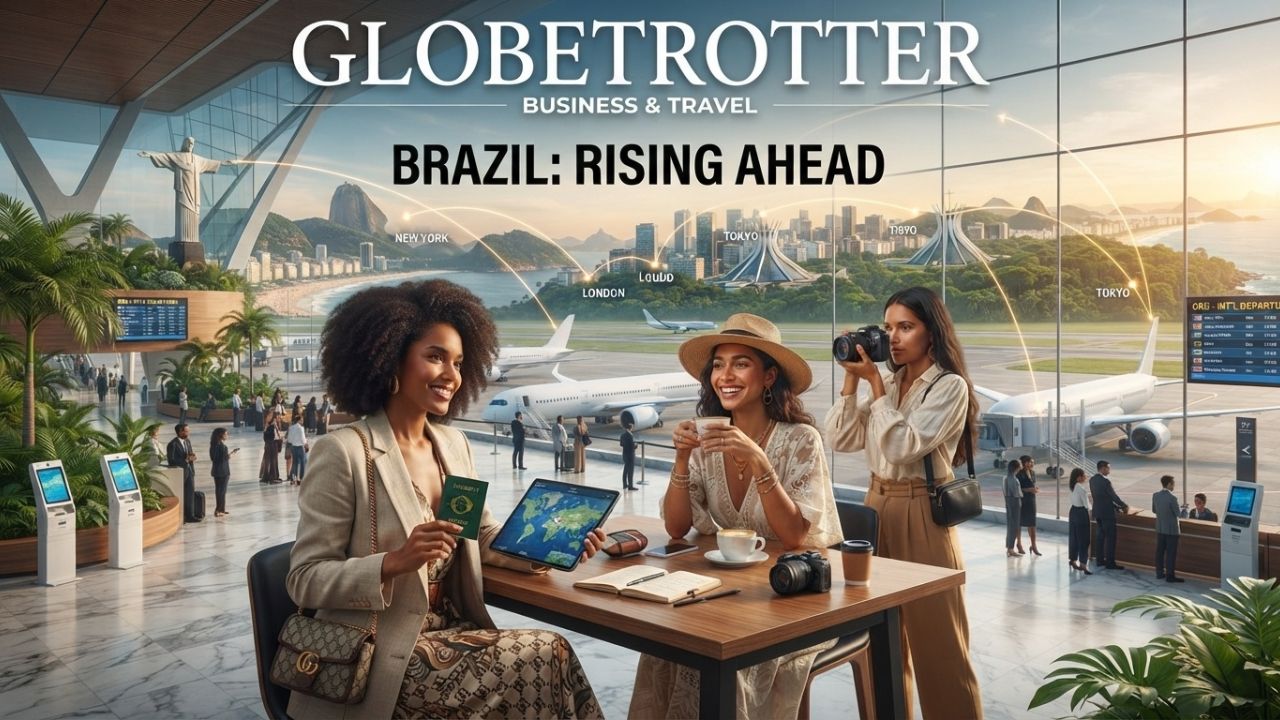
Image generated by AI
Political dynamics are shifting in Latin America's largest travel market, with the Brazil tourism political outlook 2026 under review as polling data indicates a competitive presidential race.
[Brasília, July 30, 2026] — A major transition in regional market analysis is taking place in South America as travel providers and corporate groups prepare for political changes. A newly released AtlasIntel/Bloomberg survey focuses on Brazil's upcoming October presidential election runoff, showing incumbent President Luiz Inácio Lula da Silva holding 49.2% support against opposition Senator Flávio Bolsonaro's 42.9%.
Senator Flávio Bolsonaro, representing the Liberal Party and the son of former President Jair Bolsonaro, has officially entered the race. While current flight operations and tourism services continue normally, global airlines, hotel developers, and corporate travel directors are analyzing the survey metrics to project long-term economic and aviation policy trends.
Aviation Operations and Airport Infrastructure
Brazil maintains one of the largest domestic aviation networks in the Southern Hemisphere, with airport operators continuing normal services throughout the election period. The primary commercial hubs continue to handle regular flights:
- São Paulo (GRU/CGH): The main international gateway and corporate hub.
- Rio de Janeiro (GIG/SDU): The primary leisure travel and cruise connector.
- Brasília (BSB): The federal administrative center coordinating government travel.
- Regional Hubs: Key cities including Salvador, Recife, Manaus, and Belo Horizonte continue serving scheduled domestic connections.
Commercial airlines are maintaining their international flight frequencies while monitoring wider economic policies, currency volatility, and fuel tax adjustments that could impact ticket pricing post-election.
Corporate and Leisure Tourism Investment
Corporate travel remains the largest sector of Brazil's travel economy. International companies operating in São Paulo are closely monitoring the candidates' proposals regarding currency stability, corporate tax rates, and infrastructure concession models.
Hotel groups, tour operators, and regional developers generally base investment decisions on long-term growth forecasts rather than short-term political shifts. Domestic leisure travel demand remains resilient, supported by traditional beach tourism, eco-tourism programs in the Amazon, and seasonal cultural celebrations.
Cruise and Road Transport Networks
Coastal cruise routes operate normally during seasonal runs, utilizing major maritime gateways including Santos, Rio de Janeiro, Salvador, Itajaí, and Maceió.
Highway transportation remains the dominant method for domestic travel across the country's vast geography. The political polls have had no operational impact on interstate bus networks or freight transport logistics, with providers maintaining standard schedules.
The tables below detail the polling metrics, aviation hubs, and cruise terminals:
Brazil Presidential Runoff Polling and Market Metrics (July 2026)
| Survey Parameter | Candidate Choice | Poll Percentage | Primary Industry Focus |
|---|---|---|---|
| Incumbent Coalition | Luiz Inácio Lula da Silva | 49.2% | Continuity of environmental regulations & welfare programs |
| Opposition Coalition | Flávio Bolsonaro | 42.9% | Liberal Party platform, deregulation, tax incentives |
| Undecided / Other | N/A | 7.9% | Key segment determining post-election policy direction |
Key Brazilian Aviation and Maritime Infrastructure Gateways
| Transport Terminal | Location (City) | Primary Transit Function | Key Tourism Market Served |
|---|---|---|---|
| Guarulhos Airport (GRU) | São Paulo | Major international flight gateway | Business travel & corporate conventions |
| Galeão Airport (GIG) | Rio de Janeiro | International beach & leisure hub | Eco-tourism & cultural festivals |
| Port of Santos | Santos / São Paulo | Busiest cruise terminal in Brazil | Coastal summer cruises |
| Port of Rio de Janeiro | Rio de Janeiro | Cruise passenger terminal | South American maritime itineraries |
Traveler Logistics Guide
From a ground-level perspective, the best way to navigate this is to avoid organizing major meetings or land transfers in downtown areas of capital cities on voting days in October. Heavy voter turnouts and political rallies can cause significant traffic delays near polling centers and public plazas.
Key Travel Requirements and Procedures
International visitors planning trips to Brazil should follow these logistics guidelines:
- Entry Visa Compliance: Travelers should monitor updates regarding Brazil's electronic tourist visa (e-Visa) requirements, particularly for passport holders from the United States, Canada, and Australia.
- Currency Exchange (BRL): The Brazilian Real (BRL) fluctuates in response to polling results. Consider utilizing international credit cards with low transaction fees to avoid carrying large amounts of cash.
- Flight Schedules: Double-check flight bookings through airline applications 24 hours prior to departure, especially when connecting between domestic flights in São Paulo.
Infrastructure Impact Assessment
Brazil's transport infrastructure is a critical driver of regional economic integration. By maintaining investments in airport expansions and digital customs clearance systems, the country ensures that its logistics networks remain competitive within South America regardless of political cycles.
Our analysis indicates that corporate travel demand will remain stable due to Brazil's resource sectors and manufacturing hubs. Establishing transparent regulatory policies will continue to attract foreign airline routes and support hotel development across major metropolitan centers.
Related: Charleston Harbor Cruises and Fort Sumter National Historical Park Tours Launch for August
Related: US Golden Years Retirement Destinations: Midland, Green Valley, Pittsburgh, The Villages, Vancouver
Related: Expat Destination Guide: Relocating to Panama, Mexico, and Thailand
Disclaimer
This article is for informational and educational purposes only. It does not constitute legal, financial, or professional advice. While we strive to provide accurate and up-to-date information, travel policies, regulations, and conditions change rapidly. Always verify information with official sources before making travel decisions. Nomad Lawyer makes no representations about the accuracy, reliability, completeness, or suitability of the information provided. Readers should consult qualified professionals for advice specific to their circumstances. The views expressed in this article are those of the author and do not necessarily reflect the views of Nomad Lawyer.
Raushan Kumar
Founder & Lead Developer
Full-stack developer with 11+ years of experience and a passionate traveller. Raushan built Nomad Lawyer from the ground up with a vision to create the best travel and law experience on the web.
Learn more about our team →