
Vietnam Aviation Crisis: Strategic Fuel Measures Trigger Flight Cuts
Vietnam's escalating fuel emergency forces major carriers to implement strategic capacity reductions across domestic and international routes in March 2026, disrupting tourism and stranding thousands of passengers.

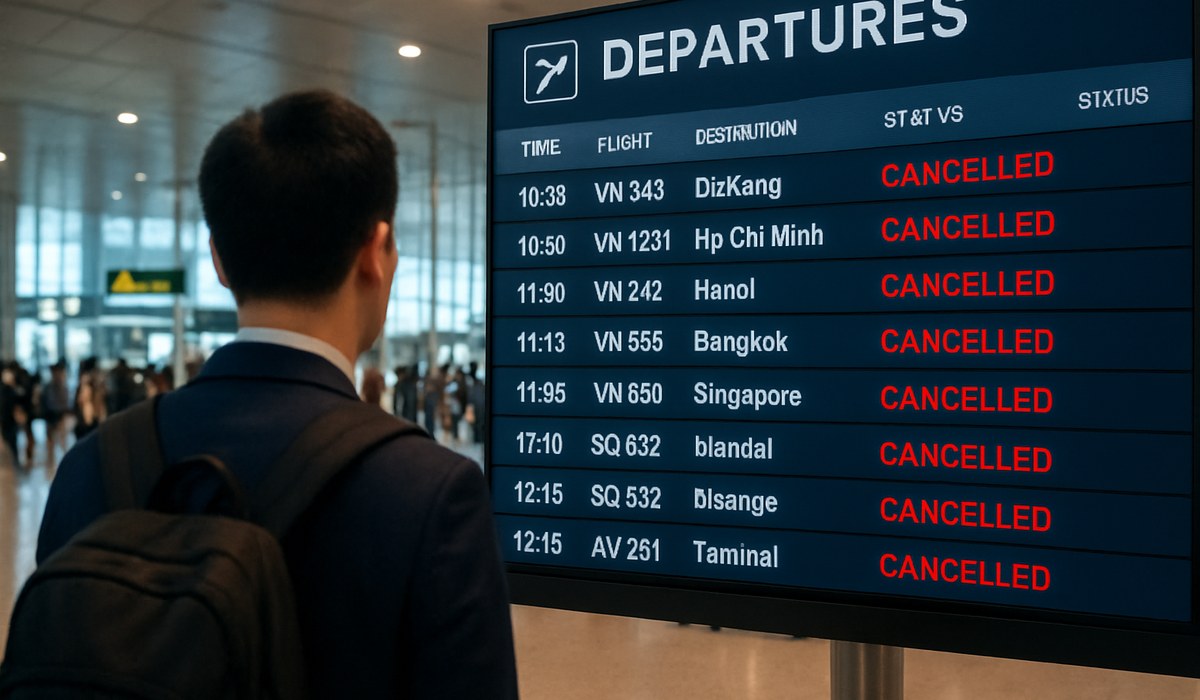
Image generated by AI
Vietnam's Fuel Crisis Triggers Widespread Aviation Disruptions
Vietnam's aviation sector faces an unprecedented challenge as fuel supply constraints force major carriers to implement emergency operational changes throughout March 2026. The escalating situation has prompted airline executives to adopt strategic capacity reductions on key routes, affecting connectivity across Southeast Asia and disrupting travel plans for tens of thousands of leisure and business passengers.
The crisis centers on supply chain interruptions affecting fuel delivery to Vietnam's primary hubs: Tan Son Nhat International Airport (SGN) in Ho Chi Minh City and Noi Bai International Airport (HAN) in Hanoi. Industry sources confirm that multiple carriers including Vietnam Airlines, Vietjet Air, and Bamboo Airways have activated contingency protocols to manage limited fuel inventory.
Root Cause: Supply Chain Disruptions and Strategic Reserves
The emergency stems from a combination of geopolitical factors, refinery maintenance schedules, and logistics bottlenecks affecting Southeast Asia's fuel infrastructure. Vietnam's primary fuel suppliers have reported temporary production constraints, while regional shipping delays have compounded the shortage. Aviation authorities have restricted fuel allocations to essential international flights and connecting services, forcing domestic capacity cuts.
Key factors triggering the crisis:
- Regional refinery maintenance reducing output by approximately 15-20%
- Port congestion delaying fuel barge arrivals
- Strategic government fuel reserve drawdowns for essential sectors
- Unexpected surge in competing regional demand
Affected Airlines and Fleet Reductions
Three major carriers dominating Vietnam's airspace have announced operational adjustments:
| Airline | Routes Affected | Capacity Reduction | Timeline |
|---|---|---|---|
| Vietnam Airlines | Domestic (20+ routes) + ASEAN international | 25-30% | March 15–April 10 |
| Vietjet Air | Domestic + Thailand, Philippines routes | 20-25% | March 20–April 5 |
| Bamboo Airways | Regional leisure routes | 15-20% | March 25–April 8 |
Vietnam Airlines (VN), the flag carrier, has reduced frequencies on high-capacity domestic trunk routes including Ho Chi Minh City–Hanoi (SGN-HAN), Hanoi–Da Nang (HAN-DAD), and Ho Chi Minh City–Can Tho (SGN-VCA). The carrier has also consolidated regional international flights to Bangkok (BKK), Singapore (SIN), and Kuala Lumpur (KUL).
Vietjet Air (VJ) has suspended or consolidated leisure-focused routes to Phuket (HKT), Siem Reap (REP), and domestic beach destinations, prioritizing core trunk routes to maintain network connectivity.
Bamboo Airways (BA) has temporarily reduced frequencies on regional routes to Cambodia and Laos, focusing capacity on profitable core markets.
Passenger Impact and Booking Status
Approximately 180,000–220,000 passengers booked on affected routes during the March 26–April 10 window face either flight cancellations, involuntary rebooking, or significant delays. Tourism operators report surge in cancellation requests from tour groups targeting Vietnam.
Current booking platform status:
- FlightAware tracking shows 35–45% reduction in scheduled operations at SGN and HAN
- Real-time seat availability narrowing across major carriers
- Booking fees and change penalties waived by most carriers due to force majeure provisions
Peak impact periods: March 28–April 2 (weekend and transition days) and April 6–10 (holiday travel).
Live Flight Status and Real-Time Tracking
Monitor current flight operations via these official channels:
- FlightAware Flight Tracker – Real-time departures, arrivals, and delays at SGN (Tan Son Nhat), HAN (Noi Bai), and regional airports
- Vietnam Airlines Official App – Direct cancellation/rebooking notifications
- Vietjet Air & Bamboo Airways Portals – Live seat maps and rebooking availability
Typical delay patterns (as of March 27):
- Domestic flights: 2–4 hour delays average
- International to ASEAN: 1–3 hour delays
- Long-haul routes (to Europe/USA): minimal impact (alternate fuel suppliers)
Recovery Timeline and Capacity Restoration
Industry analysts project gradual capacity restoration beginning April 10–15, contingent on:
- Fuel supply normalization (refinery maintenance completion)
- Port congestion resolution
- Government approval to increase allocation thresholds
- Regional demand stabilization
Projected recovery schedule:
- By April 15: Domestic capacity returns to 85–90% of normal
- By April 20: ASEAN international routes normalize
- By May 1: Full normal operations expected (subject to final supply confirmation)
Vietnam's Civil Aviation Authority (CAAV) is coordinating with fuel suppliers and international partners to expedite resolution.
Traveler Action Checklist
Passengers booked on affected routes should take these immediate steps:
-
Check your booking status: Log into your airline account or contact the carrier (Vietnam Airlines: +84 24 3832 0000; Vietjet: +84 24 3847 1111; Bamboo: +84 24 3938 8888) to confirm flight status.
-
Review cancellation/rebooking options: Most carriers are offering alternate flights (often with delays), full refunds, or vouchers valid for 12+ months due to force majeure.
-
Evaluate travel timing: Consider postponing non-essential trips to April 15 or later; reschedule meetings and leisure plans if possible.
-
Document your itinerary: Screenshot booking confirmations, airline communications, and any out-of-pocket expenses (hotels, ground transport) for potential compensation claims.
-
Know your passenger rights: Familiarize yourself with the U.S. Department of Transportation airline consumer protections and IATA guidelines for involuntary rebooking.
-
Monitor official channels daily: Flight schedules may shift with minimal notice; check FlightAware and carrier apps 24–48 hours before departure.
-
Arrange ground contingencies: Book flexible hotel cancellation policies and ground transport with cancellation windows matching your flight uncertainty.
-
Contact travel insurance: If coverage includes fuel-related disruptions, file claims immediately with proof of cancellation/delay documentation.
-
Join airline frequent flyer programs: Elite status members often receive priority rebooking and standby assistance during operational disruptions.
-
Prepare alternative routing: Identify indirect routes via Bangkok (BKK), Singapore (SIN), or Kuala Lumpur (KUL) as backup options if direct flights remain unavailable.
Tourism Industry Response and Economic Impact
Vietnam's tourism sector faces significant headwinds as international visitor arrivals are projected to decline 8–12% in March–April 2026 compared to normal seasonal trends. Hotel cancellations and tour operator refunds are exceeding 20% on peak travel dates.
Affected tourism segments:
- Beach resort destinations (Da Nang, Nha Trang, Phu Quoc)
- Southeast Asia multi-country tours originating in Vietnam
- Conference and group travel bookings
- Backpacker transit routes through Vietnam
The Vietnam National Administration of Tourism (VNAT) has issued travel advisories recommending flexible booking policies and extended cancellation windows through April 30, 2026.
Strategic Aviation Authority Response
Vietnam's Civil Aviation Authority (CAAA) has announced:
- Fuel allocation priority system: International flights to major hubs (Singapore, Bangkok, Hong Kong) prioritized over leisure-focused regional routes
- Surge pricing restrictions: Temporary caps on dynamic pricing to prevent fare gouging
- Slot coordination: Centralized coordination of remaining slots to maximize load factors and reduce empty-leg flights
- Emergency supply agreements: Negotiations with IATA member carriers for emergency fuel transfers from regional neighbors
Passenger Compensation and Rights
Under Vietnamese aviation regulations and IATA guidelines:
- Cancellations: Full refund or rebooking on next available flight (even if 48+ hours later)
- Involuntary rebooking delays 3+ hours: €250–€600 compensation (equivalent VND amount) depending on flight distance
- Meals and accommodations: Carrier responsibility if overnight delay results from rebooking
- Force majeure exemption: Fuel supply emergencies may exempt carriers from EU261 compensation; consult US DOT guidance for applicable standards
Filing compensation claims: Contact your airline's customer relations department with booking reference, cancellation notice, and rebooking details. Appeals can be escalated to national aviation authorities if denied.
Frequently Asked Questions
Q: Will my flight be cancelled? A: Cancellation probability is 30–40% for domestic routes March 28–April 2. Check FlightAware and your airline portal 48 hours before departure for confirmation.
Q: Can I get a refund? A: Yes. Carriers are issuing full refunds or rebooking options. Processing times are 7–14 days due to volume.
Q: Should I purchase travel insurance now? A: Emergency coverage may not activate retroactively. If not insured, confirm your airline's rebooking/refund policy in writing before travel.
Q: Are flights to other countries affected? A: Long-haul routes (USA, Europe, Middle East) have minimal disruption. ASEAN regional flights are most affected.
Q: When will things return to normal? A: Full capacity restoration expected by May 1, 2026, pending supply normalization.
Stay informed: Bookmark FlightAware and subscribe to your airline's alert system for real-time updates on this developing situation.
Disclaimer
This article is for informational and educational purposes only. It does not constitute legal, financial, or professional advice. While we strive to provide accurate and up-to-date information, travel policies, regulations, and conditions change rapidly. Always verify information with official sources before making travel decisions. Nomad Lawyer makes no representations about the accuracy, reliability, completeness, or suitability of the information provided. Readers should consult qualified professionals for advice specific to their circumstances. The views expressed in this article are those of the author and do not necessarily reflect the views of Nomad Lawyer.
Kunal K Choudhary
Co-Founder & Contributor
A passionate traveller and tech enthusiast. Kunal contributes to the vision and growth of Nomad Lawyer, bringing fresh perspectives and driving the community forward.
Learn more about our team →