
Thailand Joins Vietnam, Indonesia: Southeast Asia Airlines Face Fuel Crisis
Thailand, Vietnam, and Indonesia's major carriers confront unprecedented fuel surcharges in March 2026. Regional airlines ground flights as jet fuel costs soar, threatening millions of passengers and Southeast Asia's tourism-dependent economies.

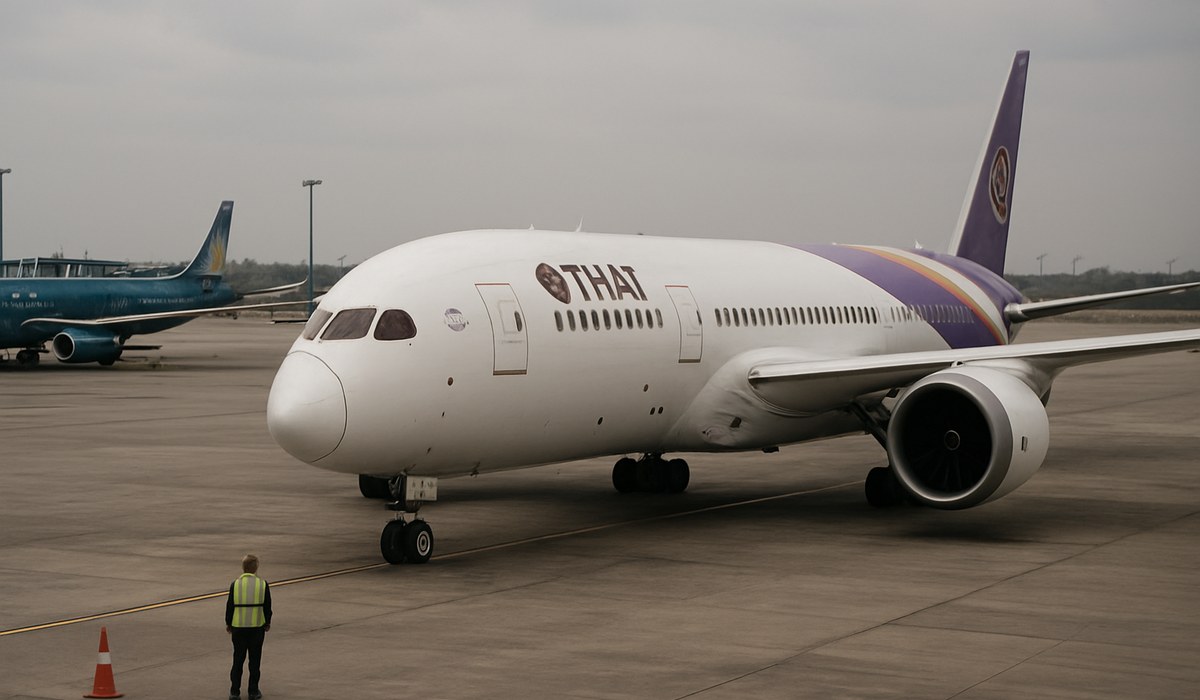
Image generated by AI
Southeast Asia's Tourism Sector Reels as Fuel Prices Trigger Widespread Flight Disruptions
Bangkok, Ho Chi Minh City, and Jakarta face their most significant aviation crisis in years as regional carriers struggle with unprecedented fuel surcharges. Thailand, Vietnam, and Indonesia—three pillars of Southeast Asia's $15 billion tourism economy—are experiencing cascading flight cancellations and route suspensions throughout March 2026, forcing airlines to pass catastrophic costs to already price-conscious travelers.
Major carriers including Thai Airways International (THAI), Vietnam Airlines (HVN), and Garuda Indonesia (GA) have issued emergency notices regarding flight availability and pricing volatility. The crisis, driven by geopolitical tensions affecting global petroleum markets, has created a perfect storm for a region still recovering from post-pandemic tourism fluctuations.
Root Cause: Jet Fuel Costs Surge Beyond Sustainable Thresholds
Jet fuel (Jet A-1) prices in Southeast Asia surged 34% in the first quarter of 2026, with prices at Bangkok's Suvarnabhumi Airport (BKK) reaching $1.48 per liter—the highest level since 2022. Singapore's trading hub, which supplies aviation fuel across the region, reported barrel prices exceeding $115 USD, triggering automatic fuel surcharge mechanisms embedded in airline tariff agreements.
The International Air Transport Association (IATA) estimates that each $10 increase per barrel translates to a $0.15-0.22 fuel surcharge per passenger on regional flights. With crude oil volatility continuing, analysts project fuel costs could remain elevated through Q2 2026.
Key contributing factors:
- Refinery capacity constraints following unexpected maintenance shutdowns
- Increased regional demand from freight carriers redirecting cargo flights
- Supply chain disruptions affecting fuel deliveries to secondary airports
- Speculation in futures markets amplifying price swings
Affected Airlines and Grounded Fleets
Thai Airways International (BKK hub)
- Suspended 12 narrow-body aircraft effective March 24, 2026
- Reduced regional routes to Malaysia, Cambodia, and Laos by 18%
- Estimated 8,400 passenger cancellations through March 31
Vietnam Airlines (HAN/SGN hubs)
- Grounded 6 ATR turboprops serving secondary markets
- Ho Chi Minh City-Bangkok route reduced from 8 daily departures to 5
- Approximately 6,200 affected passengers awaiting rebooking
Garuda Indonesia (CGK hub)
- Cancelled 22 flights across domestic and regional networks
- Jakarta-Singapore service operating at 60% capacity
- 9,100+ stranded passengers seeking alternative routing
Regional carriers impacted:
- Lion Air (subsidiary routes)
- AirAsia Thailand and AirAsia Vietnam (low-cost network compression)
- Cebu Pacific Air (Manila-Southeast Asia corridors)
Impacted Routes and Flight Suspensions
The following high-traffic routes face confirmed disruptions through April 15, 2026:
| Route | Airline(s) | Status | Passengers Affected |
|---|---|---|---|
| Bangkok-Hanoi (BKK-HAN) | Thai, Vietnam Airlines | Reduced frequency | 2,100/week |
| Bangkok-Singapore (BKK-SIN) | Thai, SilkAir | Normal ops resuming | — |
| Ho Chi Minh-Kuala Lumpur (SGN-KUL) | Vietnam Airlines, AirAsia | 1 flight/day reduced | 1,400/week |
| Jakarta-Bangkok (CGK-BKK) | Garuda, Thai | Suspended until April 1 | 800/day |
| Hanoi-Manila (HAN-MNL) | Vietnam Airlines, Cebu Pacific | Irregular schedule | 900/week |
| Phuket-Singapore (HKT-SIN) | Thai, SilkAir | Capacity cuts 25% | 1,600/week |
Real-time tracking resources:
- Check live flight status and delays at FlightAware using IATA airport codes
- Verify operational updates via airline websites and contact centers
- Monitor regional aviation alerts on IATA.org
Passenger Rights and Compensation Framework
Travelers affected by fuel-crisis cancellations and delays exceeding 3+ hours are entitled to compensation under Southeast Asian aviation regulations and EU EC261 equivalents (for flights departing the region):
Thailand (Thai Airways governed by Thailand's Civil Aviation Authority):
- Minimum THB 15,000 (~$430 USD) for cancellations without 14-day notice
- Alternative flight rebooking at no additional cost, or refund within 30 days
Vietnam (Vietnam Airlines under CAAV authority):
- VND 10 million (~$400 USD) for cancellations <14 days advance notice
- Meal/accommodation allowances for delays exceeding 4 hours
Indonesia (Garuda under Directorate General of Civil Aviation):
- IDR 5 million (~$310 USD) minimum compensation
- Hotel accommodations covered for overnight delays caused by airline decisions
Documentation required:
- Original booking confirmation and boarding pass stub
- Cancellation/delay notice from airline (email, SMS, or counter receipt)
- Proof of rebooking attempt and final routing
- Receipts for out-of-pocket expenses (meals, transport)
Submit claims to airline customer relations offices within 45 days of disruption.
Traveler Action Checklist
If your Southeast Asia flight is affected by the March 2026 fuel crisis:
-
Check flight status immediately: Log into your airline account or use FlightAware; search BKK, HAN, SGN, or CGK for your flight number.
-
Contact your airline within 2 hours: Call Thai Airways (Bangkok +66-2-286-8888), Vietnam Airlines (Hanoi +84-24-3832-0320), or Garuda (Jakarta +62-21-2351-9999) for rebooking options before queues exceed 4+ hours.
-
Request written confirmation: Obtain cancellation or delay notification via email. Screenshot airline website status showing disruption as evidence for compensation claims.
-
Explore alternative routing: Book connecting flights via Singapore (SIN), Manila (MNL), or Kuala Lumpur (KUL) if direct service is suspended. Budget an extra 6-8 hours travel time.
-
Document all expenses: Save receipts for hotels, meals, ground transport, and rebooking fees. Airlines may reimburse under force majeure exceptions or EU261-equivalent regulations.
-
File compensation claim: After rebooking resolves, submit claim to airline customer relations (see addresses above) with documentation within 45 days. Reference claim within airline's terms of service.
-
Monitor airline announcements: Subscribe to Thai Airways, Vietnam Airlines, and Garuda email alerts for April 1-15 recovery timelines and confirmed schedule restoration.
Economic Impact on Southeast Asia's Tourism Sector
Thailand, Vietnam, and Indonesia collectively host over 85 million annual international arrivals. The March 2026 disruption threatens Q1-Q2 tourism receipts critical to regional GDP:
Thailand: Tourism represents 21% of national GDP. Cancellations directly reduce hotel occupancy in Bangkok (BKK area), Phuket, and Chiang Mai by an estimated 3-5% through April.
Vietnam: Post-reopening tourism recovery depends on consistent regional connectivity. Flight reductions from Ho Chi Minh City (SGN) and Hanoi (HAN) directly impact beach destination bookings in Da Nang and Nha Trang.
Indonesia: Domestic routes serving Bali (DPS) and secondary islands face capacity constraints, pushing package tour pricing up 8-12% amid supply compression.
Industry analysts warn that prolonged fuel-cost instability could force airline consolidations and permanent route closures across the region, particularly impacting secondary cities and smaller operators like regional carriers serving island communities.
Recovery Timeline and Operational Outlook
Short-term (March 28–April 15, 2026):
- Airlines operating at 70-80% scheduled capacity
- Fuel surcharges remaining in effect (+$25-40 per ticket on regional flights)
- Gradual aircraft return to service as fuel costs stabilize
Medium-term (April 16–June 30, 2026):
- Full capacity restoration expected if crude prices moderate below $110/barrel
- Dynamic surcharge adjustments weekly based on Singapore fuel trading prices
- Route frequency returns to normal levels by mid-May
Recovery contingencies: Airlines have initiated fuel-hedging contracts to lock pricing through Q3 2026. However, geopolitical volatility may extend pricing pressure into summer, delaying full recovery.
Regulatory Response and Industry Advocacy
The Civil Aviation Authority of Thailand (CAAT), Vietnam's Civil Aviation Administration (CAAV), and Indonesia's DGAC have coordinated emergency meetings with regional carriers to establish fuel-sharing protocols and temporary subsidies for essential regional connectivity.
The Association of Southeast Asian Nations (ASEAN) Secretariat convened an aviation task force to prevent broader economic spillover and protect tourism-dependent economies.
Regulatory resources:
- Thai airways complaints: CAA Thailand
- Vietnam airline disputes: CAAV Hanoi (+84-24-3826-5000)
- Indonesia carrier issues: DGCA Jakarta (+62-21-6471-5000)
- International passenger rights: U.S. Department of Transportation
Frequently Asked Questions
Q: Will my booked flight in April 2026 be cancelled? A: Airlines are gradually restoring capacity. Flights in April face lower cancellation risk (10-15%) compared to March services (25-30%). Monitor your booking status on airline websites weekly.
Q: Can I get a refund instead of rebooking? A: Yes. Request a refund (in original payment method) if rebooking doesn't accommodate your original travel dates within 7 days. Refunds typically process within 30 days.
Q: Does travel insurance cover fuel surcharge increases? A: Standard travel insurance does not cover price hikes or surcharges. Airlines absorb fuel costs; passengers bear surcharge additions (+$25-40). Purchase trip-disruption insurance for future bookings.
Q: Which airlines are most affected? A: Thai Airways, Vietnam Airlines, and Garuda Indonesia face the most cancellations. Low-cost carriers (AirAsia, Lion Air) offer sparse alternatives with higher loads. Consider booking through larger carriers.
Q: When will fuel prices stabilize? A: Energy analysts project prices stabilizing below $105/barrel by May 2026, triggering surcharge reductions. However, geopolitical risks may extend volatility through summer 2026.
Staying Informed During the Crisis
Bookmark IATA.org for daily aviation industry updates, and regularly check individual airline websites for schedule changes. The U.S. Department of Transportation's Aviation Consumer Protection Division provides multilingual passenger rights guidance applicable to international flights departing from or connecting through U.S. airports.
This article was last updated March 28, 2026, with ongoing crisis developments. Check back daily for recovery timeline updates and airline capacity restoration announcements.
Disclaimer
This article is for informational and educational purposes only. It does not constitute legal, financial, or professional advice. While we strive to provide accurate and up-to-date information, travel policies, regulations, and conditions change rapidly. Always verify information with official sources before making travel decisions. Nomad Lawyer makes no representations about the accuracy, reliability, completeness, or suitability of the information provided. Readers should consult qualified professionals for advice specific to their circumstances. The views expressed in this article are those of the author and do not necessarily reflect the views of Nomad Lawyer.
Raushan Kumar
Founder & Lead Developer
Full-stack developer with 11+ years of experience and a passionate traveller. Raushan built Nomad Lawyer from the ground up with a vision to create the best travel and law experience on the web.
Learn more about our team →