
Stranded Passengers Face Fresh Chaos at European Hubs in April 2026
Over 90,000 stranded passengers face fresh chaos across European aviation hubs as April 2026 strikes in Germany and Italy collide with severe weather systems, disrupting major airports from Frankfurt to Amsterdam.

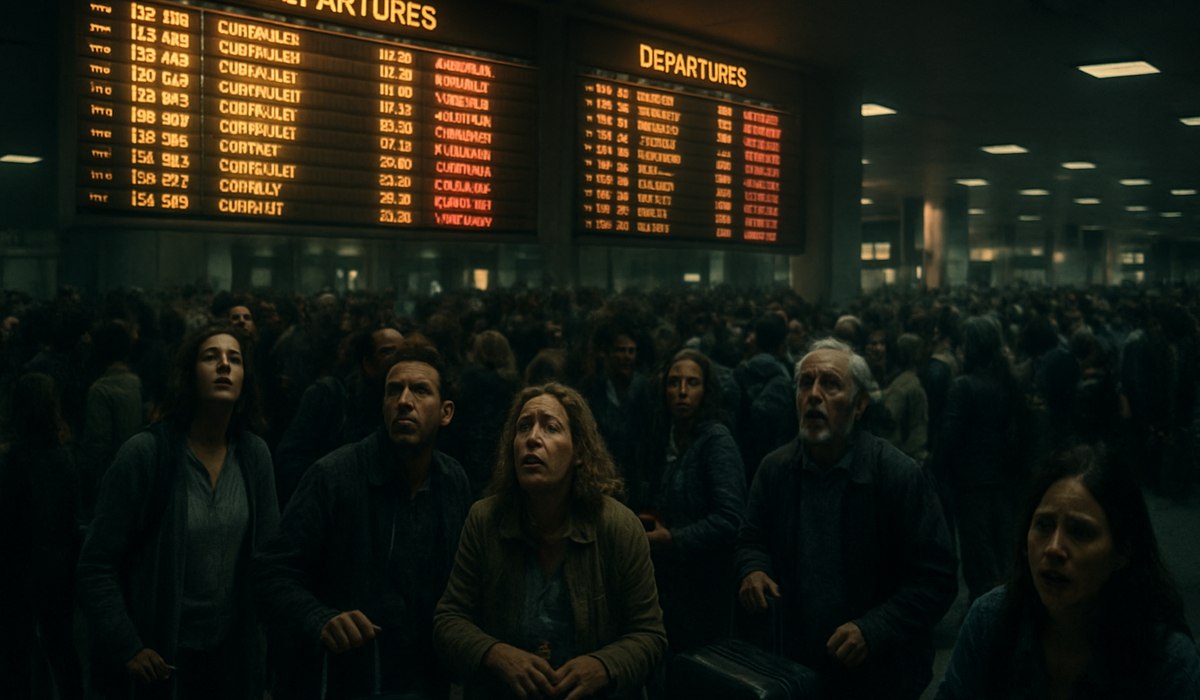
Image generated by AI
European Aviation Crisis: Over 90,000 Stranded Passengers Battle Fresh Chaos
Over 90,000 stranded passengers are navigating unprecedented disruption across Europe's busiest aviation hubs in April 2026. Cascading labor walkouts, severe weather systems, and infrastructure bottlenecks have created a perfect storm affecting travelers from Frankfurt to Amsterdam. The crisis began April 10 when Lufthansa cabin crew initiated a 24-hour strike at Frankfurt Airport, followed immediately by Italian air traffic control walkouts. Airlines now face multi-day knock-on delays as aircraft and crews remain out of position across the continent.
Lufthansa Strike Grounds 580+ Flights Across German Network
The Lufthansa cabin crew walkout that began April 10 at Frankfurt Airport represents one of the largest single-day disruptions of 2026. Approximately 580 flights were cancelled at Frankfurt alone, representing roughly 75 percent of Lufthansa's scheduled departures on that date. The industrial action rapidly expanded to Munich, Berlin, Stuttgart, and Leipzig, where additional cancellations and delays compounded the crisis.
Tens of thousands of passengers found themselves stranded during the tail end of Easter holiday travel, when terminals were already congested with weekend and holiday travelers. The strike occurred at peak travel season, when rebooking alternatives were limited and hotel availability around major hubs became critically constrained. Passengers reported multi-hour waits at customer service desks and significant frustration navigating the airline's rebooking protocols. According to labor representatives, the walkout centered on staffing levels and working conditions. The scale of the Frankfurt disruption demonstrated how vulnerable Europe's aviation network remains to labor actions at its largest hubs.
Italian Air Traffic Control Walkout Compounds Continental Disruption
Just hours after the Lufthansa strike began, Italian air traffic controllers initiated a four-hour walkout on April 10 that coincided with afternoon peak operations. The timing of the Italian strike during high-traffic periods triggered hundreds of additional cancellations at Rome Fiumicino and Milan Malpensa. The Rome and Milan disruptions sent ripple effects throughout the Mediterranean region and across the wider European network.
Stranded passengers face cascading rebooking challenges when multiple national hubs experience simultaneous disruptions. Aircraft and crews caught in Italian airspace were unable to operate scheduled services, leaving them out of position for days. Airlines operating through Italian hubs lost critical flexibility when attempting to reroute stranded passengers or reposition equipment. The timing of the walkout during spring school holidays amplified passenger impact. Industry observers noted that the coordination of German strikes followed by Italian walkouts created compounding effects that no single airline could mitigate independently.
Weather Patterns and Airspace Constraints Extend Knock-On Effects
Beyond labor actions, severe weather systems have pressured European aviation since late March 2026. Early April witnessed multiple episodes where crosswinds, low visibility, and precipitation forced airports to operate at reduced runway capacity. Flight tracking data indicates more than 1,400 flights experienced delays across Europe on single difficult days, with over 100 cancellations recorded.
Major hubs including Frankfurt, Munich, London Heathrow, Madrid, and Oslo absorbed significant weather-related disruptions. Athens International Airport experienced spike delays linked to combined airspace restrictions and network-wide congestion. Amsterdam Schiphol recorded over 100 delays on particularly difficult days as cascading effects from other hubs propagated through European airspace.
Geopolitical tensions and airspace closures in the Middle East have forced long-haul services between Europe and Asia to operate extended routes with longer flight times. These detours reduce scheduling flexibility across the entire network, leaving less capacity to absorb disruptions from local weather or operational issues. When multiple factors simultaneously strain European aviation—weather, labor actions, and geopolitical constraints—the system demonstrates limited resilience for absorbing additional shocks.
Passenger Rights and Rebooking Options in Crisis Scenarios
Stranded passengers face confusing landscapes when European airlines experience simultaneous disruptions across multiple hubs. EU Regulation 261/2004 mandates specific compensation rights, yet implementation varies significantly when airlines declare extraordinary circumstances. Passengers on cancelled flights qualify for either rebooked services on alternative flights or full refunds, though airlines often attempt to limit compensation claims.
Airlines typically rebook stranded passengers on the next available flight to their destination, sometimes routing through alternative hubs. However, when widespread disruptions affect multiple carriers simultaneously, rebooking options become severely constrained. Passengers should request meal vouchers and accommodation when delays exceed certain thresholds. When stranded overnight, airlines must provide hotel accommodation and transport. Documentation becomes critical—retain all boarding passes, receipts for out-of-pocket expenses, and written confirmation of delays exceeding three hours.
Passengers traveling with connecting flights through disrupted hubs face additional complexity. Missed connections triggered by others' strikes may entitle passengers to compensation under EU regulations. Many travel insurance policies include coverage for strike-related disruptions, though standard policies may exclude labor actions. Passengers should review their policy terms before travel and consider supplemental coverage during peak seasons when labor actions become more likely.
Key Data Table: April 2026 European Aviation Disruption Snapshot
| Metric | Figure | Impact |
|---|---|---|
| Total Stranded Passengers | 90,000+ | Massive network-wide disruption |
| Frankfurt Cancellations (Apr 10) | 580 flights | 75% of Lufthansa departures grounded |
| German Airports Affected | 5 major hubs | Frankfurt, Munich, Berlin, Stuttgart, Leipzig |
| Italian Strike Duration | 4 hours | Affected Rome and Milan peak periods |
| European Delayed Flights (Apr 10-11) | 1,400+ | Single-day capacity exceeded |
| European Cancelled Flights (Apr 10-11) | 100+ | Weather and labor combined impact |
| Eurocontrol Late Departure Rate | 30% | Structural network congestion |
| Amsterdam Schiphol Peak Delays | 100+ | Single-day recorded delays |
| Airspace Processing Time Increase (EU EES) | Up to 70% | New biometric border system |
| Flight Volume Growth (2015-2025) | 10% | Infrastructure failed to match capacity |
What This Means for Travelers
1. Verify flight status 24 hours before departure. Check directly with your airline's website or contact their customer service, as disruptions can cascade quickly. During crisis periods, avoid relying solely on third-party apps that may display delayed information.
2. Document all expenses related to disruptions. Keep receipts for meals, accommodation, transportation, and any other out-of-pocket costs incurred due to cancellations or delays. These expenses may qualify for reimbursement under EU 261/2004 regulations.
3. Know your compensation rights under EU Regulation 261/2004. Flights cancelled within 14 days before departure may entitle you to €250-€600 compensation depending on distance. Extraordinary circumstances like weather or strikes may exempt airlines, but labor actions at specific hubs may not qualify.
4. Consider travel insurance that covers labor disruptions. Standard policies often exclude strikes, so specifically purchase supplemental coverage if traveling during high-risk periods. Review policy exclusions carefully before purchasing.
5. Build additional buffer time into connecting flights during peak seasons. Allocate minimum 2.5-3 hours for European hub connections rather than typical 90-minute minimum connections, especially during spring and summer travel.
6. Monitor airspace closure alerts and geopolitical developments. Middle East tensions affecting routing can extend flight times and reduce scheduling flexibility. Track aviation news sources one week before departure to understand regional pressures on the network.
FAQ
**Q: What compensation am I entitled to if my flight was cancelled during the April 2
Disclaimer
This article is for informational and educational purposes only. It does not constitute legal, financial, or professional advice. While we strive to provide accurate and up-to-date information, travel policies, regulations, and conditions change rapidly. Always verify information with official sources before making travel decisions. Nomad Lawyer makes no representations about the accuracy, reliability, completeness, or suitability of the information provided. Readers should consult qualified professionals for advice specific to their circumstances. The views expressed in this article are those of the author and do not necessarily reflect the views of Nomad Lawyer.
Preeti Gunjan
Contributor & Community Manager
A passionate traveller and community builder. Preeti helps grow the Nomad Lawyer community, fostering engagement and bringing the reader experience to life.
Learn more about our team →