
Strait of Hormuz Blockade Triggers Global Oil Shock as Saudi Arabia, UAE and Qatar Energy Crisis Destabilizes Nepal Aviation; Flight Cancellations in Karnali Region Spark Deadly Travel Crisis Amid US-Iran Conflict and Global Trade Security Threat in May 2026
A strategic blockade of the Strait of Hormuz has ignited a global energy crisis, sending oil prices to record highs. As Saudi Arabia, the UAE, and Qatar face export disruptions, Nepal’s Karnali region faces a deadly aviation crisis as fuel-cost spikes and bitumen shortages ground flights and stall road repairs during the 2026 oil shock.

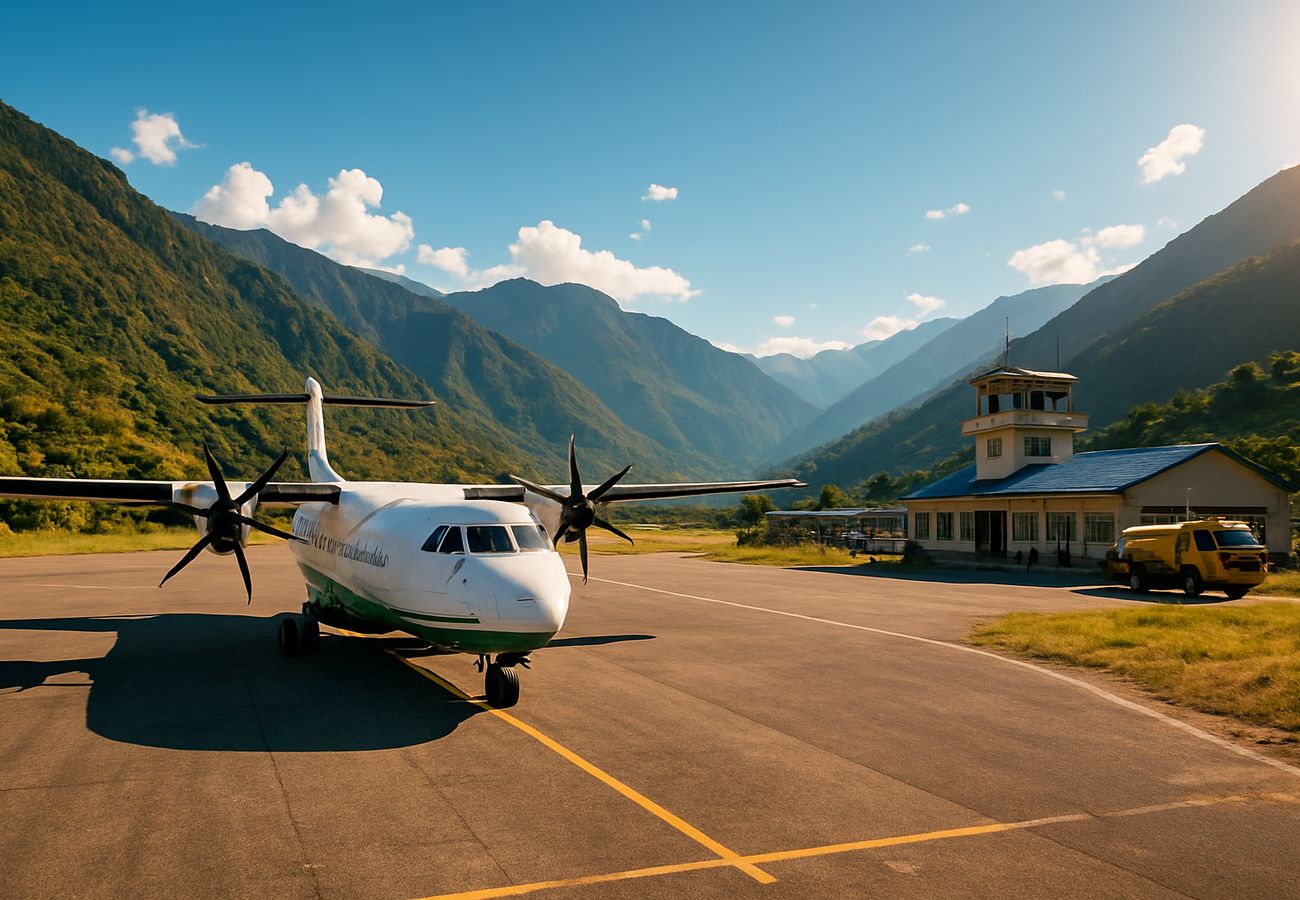
Image generated by AI
A global energy crisis of historic magnitude has erupted following the strategic blockade of the Strait of Hormuz, triggering an immediate oil price shock that is now pushing the world’s most remote aviation corridors to the brink of collapse. As the United States, Iran, and Gulf Cooperation Council (GCC) nations including Saudi Arabia, the UAE, and Qatar move to the brink of military conflict, the fallout has reached the Himalayas. Today, May 10, 2026, Nepal’s Karnali Province is engulfed in a deadly travel crisis. Skyrocketing jet fuel costs and a severe shortage of bitumen—a direct result of the West Asian maritime blockade—have paralyzed regional flight operations and halted critical road construction, leaving residents of the world’s most isolated mountain districts stranded amidst a total breakdown in global trade security.
The crisis in Karnali is a stark reminder of the "butterfly effect" in the 2026 energy market. While the blockade shuts down 21% of the world’s oil flow, the immediate consequence in Nepal is the grounding of the Nepal Airlines Twin Otter fleet, which serves as the only lifeline for districts like Jumla, Humla, Dolpa, and Mugu.
Expanded Overview: The Bitumen Shortage and the Aviation Trap
The blockade of the Strait of Hormuz — a narrow chokepoint through which 21 million barrels of oil per day pass — represents a total collapse of international energy security. For Nepal, a landlocked nation heavily dependent on petroleum imports from the Gulf, the shock is systemic. Beyond the fuel tanks of aircraft, the blockade has severed the supply of bitumen, the critical byproduct of West Asian oil refining used in road construction.
As the International Energy Agency (IEA) activates emergency protocols, the Karnali Highway has become a hazardous trap. With road repairs stalled and airfares reaching record peaks, the residents of Nepal’s northwest are facing a "perfect storm" of logistical failure. The US-Iran conflict is not just a maritime standoff; it is a life-threatening reality for a patient in Jumla waiting for a flight that will never arrive because the fuel costs have rendered the route operationally impossible for the state carrier.
Section-Wise Breakdown: The Human Cost in Karnali
The Jumla Tragedy: A Failed Lifeline
The human impact of the aviation disruption was tragically illustrated by the case of 71-year-old Kal Bahadur Adhikari. Referred for urgent prostate surgery, Adhikari and his family waited for a scheduled flight from Jumla that never arrived. With the Nepal Airlines fleet grounded due to technical failures and fuel consolidated for "high-priority" routes, the family was forced to use an ambulance on the hazardous Karnali Highway. The resulting crash in Kalikot district claimed the lives of Adhikari’s son and the driver, leaving the elderly patient further injured—a direct casualty of the global energy shock.
Nepal Airlines: A Fleet Strained by Global Pressure
Nepal Airlines Corporation (NAC) is currently operating a limited number of aging Twin Otter aircraft from its Nepalgunj base. These aircraft are under immense operational pressure as they attempt to cover multiple mountain destinations including Simkot, Dolpa, and Talcha. The high cost of spare parts and the "war-premium" on aviation fuel mean that maintenance is frequently delayed, leading to a cycle of cancellations that disproportionately affects the poor and the elderly.
Tourism and the Rara Lake Corridor
The popular Rara Lake region in Mugu is seeing a total collapse in tourism bookings. Private airlines have shifted their limited aircraft towards eastern Nepal to maximize revenue during the $200/bbl oil shock, leaving the Karnali routes underserved. For local businesses and hospitality providers, the Strait of Hormuz blockade has effectively ended the 2026 trekking season.
Operational Metrics: Nepal Regional Aviation Status
| Operational Parameter | Status in Karnali Region (May 10, 2026) |
|---|---|
| Primary Fleet | DHC-6 Twin Otter (Nepal Airlines) |
| Flight Status | 65% Cancellation Rate on Mountain Routes |
| Fuel Impact | +120% Surcharge on Domestic Airfare |
| Bitumen Supply | 🚫 Total Halt (Hormuz Blockade Impact) |
| Road Connectivity | Karnali Highway Restricted due to Disrepair |
Note: The Civil Aviation Authority of Nepal (CAAN) has warned that afternoon winds and low visibility are compounding the delays, but the primary driver remains the economic fallout of the US-Iran military standoff.
Passenger Impact: The Price of Isolation
For the residents of Karnali, every flight cancellation is a potential death sentence. With no reliable road access, the cost of medical evacuations has quadrupled. Patients requiring oxygen support are frequently turned away from airfields as scheduled flights are diverted to more profitable cargo or tourism routes. The global oil shock has turned a regional travel inconvenience into a profound human rights crisis, where the "right to move" is now dictated by the price of Brent Crude.
The ripple effect of the US-Iran conflict means that even those with confirmed tickets are often bumped by engineers or technical staff who must travel with the aircraft to perform on-the-spot maintenance in remote districts.
Industry Analysis: The End of Marginal Routes?
Aviation analysts suggest that the Karnali crisis is a warning of what happens to "marginal routes" during a global energy shock. "When oil hits $200/bbl, the first things to go are the flights to the world’s most isolated communities," says one senior energy strategist. "The Strait of Hormuz blockade has exposed the extreme vulnerability of Nepal’s regional aviation model. Without modern, fuel-efficient aircraft and a secure supply of bitumen for road resilience, these mountain provinces are being effectively cut off from the 21st century."
According to IATA, regional air connectivity is essential for disaster response and healthcare in mountainous terrain, but the current geopolitical turmoil is making these services financially unsustainable.
Conclusion: A Call for Resilient Infrastructure
The travel crisis in Nepal’s Karnali region is a devastating byproduct of the Strait of Hormuz blockade. As Saudi Arabia, the UAE, and the United States continue their high-stakes confrontation with Iran, the world must not ignore the millions of people in landlocked nations who are paying the ultimate price for global energy volatility. Improving Nepal’s regional air connectivity and securing a resilient supply of construction materials are no longer just national goals—they are essential for the survival of the mountain people in an increasingly unstable world.
Key Takeaways
- Strait of Hormuz blockade continues to drive a global energy crisis, grounding Nepal’s mountain aviation.
- Karnali Region Crisis: 65% of flights are cancelled, leaving patients and residents stranded.
- Bitumen Shortage: Geopolitical tensions in West Asia have halted road repairs, exacerbating isolation.
- Nepal Airlines Strained: Aging Twin Otter fleet is unable to meet demand under $200/bbl oil pressures.
- Human Cost: Patients like Kal Bahadur Adhikari are facing life-threatening delays due to air-road failure.
- Tourism Collapse: Rara Lake and western Nepal trekking routes are underserved as aircraft shift to eastern routes.
- Travelers are advised to avoid remote mountain travel in Nepal unless emergency evacuations are pre-arranged with private carriers.
Related Travel Guides
Strait of Hormuz Blockade Triggers Global Oil Shock: 119 Flights Delayed at LAX Airport
European Aviation Chaos: 2,233 Flights Delayed as Global Energy Crisis Hits Heathrow and Frankfurt
Nepal Trekking Safety: Navigating the 2026 Global Oil Shock and Flight Disruptions
Disclaimer: Operational details for Nepal’s Karnali aviation are based on regional reports as of May 10, 2026. Geopolitical events and their impact on global energy markets are subject to rapid change. Travelers are advised to verify all flight details directly with Nepal Airlines and monitor official government travel advisories.
Kunal K Choudhary
Co-Founder & Contributor
A passionate traveller and tech enthusiast. Kunal contributes to the vision and growth of Nomad Lawyer, bringing fresh perspectives and driving the community forward.
Learn more about our team →