
Strait of Hormuz Blockade Triggers Global Oil Shock as Saudi Arabia, UAE and Qatar Energy Crisis Destabilizes Caribbean Aviation; Jamaica Showcases Cultural Resilience at New Orleans Jazz Festival Amid US-Iran Conflict in May 2026
A strategic blockade of the Strait of Hormuz has ignited a global energy crisis, sending oil prices to record highs. As Saudi Arabia, the UAE, and Qatar face export disruptions, Jamaica leverages the New Orleans Jazz Festival to promote 'Cultural Sanctuary' tourism during the 2026 oil shock.

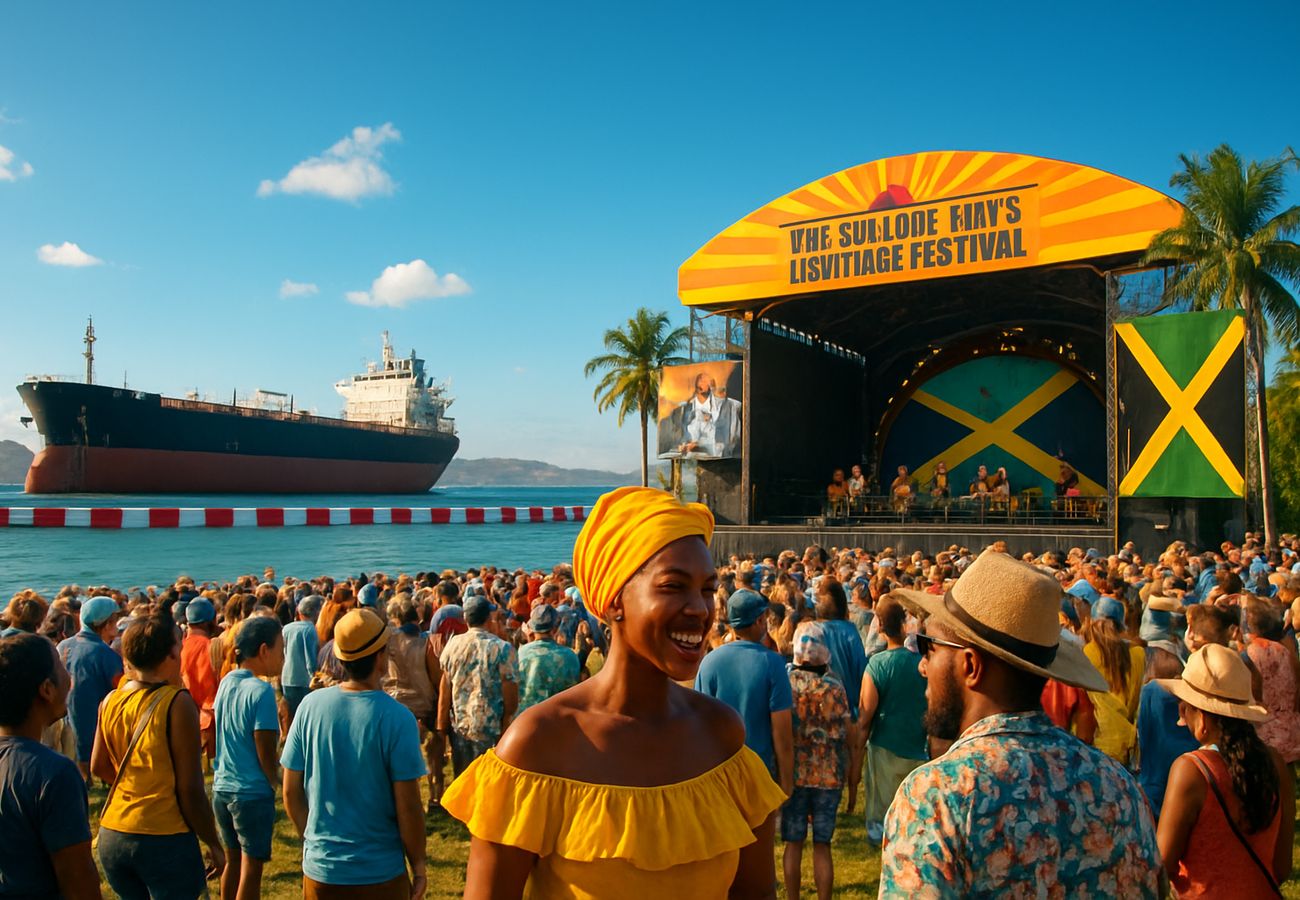
Image generated by AI
A global energy crisis of historic magnitude has erupted following the strategic blockade of the Strait of Hormuz, triggering an immediate oil price shock that is now forcing Caribbean tourism leaders to redefine their international marketing strategies. As the United States, Iran, and Gulf Cooperation Council (GCC) nations including Saudi Arabia, the UAE, and Qatar move to the brink of military conflict, Jamaica has taken a bold step toward "cultural resilience." Today, May 10, 2026, the island nation concluded its feature showcase at the New Orleans Jazz & Heritage Festival, using the platform to promote Jamaica as a "cultural sanctuary" for North American travelers as skyrocketing jet fuel prices and a collapse in global maritime security make traditional long-haul travel increasingly unaffordable.
The participation of Jamaica as the featured destination is a strategic move to maintain tourism "top-of-mind" status during the 2026 oil shock. With $200/bbl oil threatening to paralyze transatlantic and trans-Pacific flight corridors, Jamaica is doubling down on its regional proximity and deep cultural ties to the United States to ensure its tourism economy remains buoyant.
Expanded Overview: The $200 Oil Shock and the Caribbean Pivot
The blockade of the Strait of Hormuz — a narrow chokepoint through which 21 million barrels of oil per day (approximately 21% of global petroleum consumption) pass — represents a total collapse of international energy security. For major petroleum exporters like Kuwait, Iraq, and Bahrain, and the world’s leading LNG supplier, Qatar, the inability to access the sea has rendered their primary economic assets unreachable.
As the International Energy Agency (IEA) activates emergency protocols, the Caribbean aviation sector is facing a severe margin squeeze. By leveraging high-profile events like the New Orleans Jazz Festival, Jamaica is attempting to capture the "near-shore" American market. The US-Iran conflict has made far-flung destinations in the Indian Ocean and Asia risky and expensive; in contrast, Jamaica’s vibrant reggae, dancehall, and culinary identity are being presented as a stable and accessible alternative during the most volatile energy period of the 21st century.
Section-Wise Breakdown: Jamaica at New Orleans Jazz Festival
Reggae and Dancehall: The Sound of Resilience
Music remained the cornerstone of the Jamaican showcase in New Orleans. Festival audiences were treated to performances by top reggae stars and dancehall artists, highlighting the island’s global influence on contemporary music. In the context of the 2026 energy crisis, these "rhythms of resilience" served as a powerful reminder of Jamaica’s unique heritage, drawing thousands of visitors to the island-themed pavilion despite the broader economic uncertainty.
Authentic Culinary Experiences Amid Supply Disruptions
Food played a critical role in the cultural celebration. Despite the global trade security threat affecting some food supply chains, Jamaican vendors successfully introduced attendees to traditional jerk chicken, tropical refreshments, and island-inspired hospitality. The culinary section was designed to recreate the atmosphere of a luxury Caribbean resort, encouraging American travelers to visit the source despite the "emergency energy surcharges" now affecting regional flights.
Traditional Craftsmanship and Artistic Identity
Jamaican artisans showcased handmade creations, including woven straw products and decorative pieces using traditional methods. These demonstrations emphasized the importance of sustainable, local creative industries—a key component of Jamaica’s "Cultural Sanctuary" strategy. By supporting local artists, Jamaica is building a tourism model that is less dependent on imported luxury goods, making it more resilient to the global oil shock.
US-Jamaica Connectivity: 2026 Energy Shock Impact
| Route Corridor | Airline Group | Frequency Status | Surcharge Impact |
|---|---|---|---|
| New Orleans (MSY) → Montego Bay (MBJ) | American / Delta | Daily | ⬆️ $150 Energy Fee |
| Miami (MIA) → Kingston (KIN) | American Airlines | 4x Daily | ⬆️ $85 Fuel Levy |
| New York (JFK) → Montego Bay (MBJ) | JetBlue / Delta | 3x Daily | ⬆️ $120 War Premium |
| Operational Focus | Point-to-Point | Consolidated | High-Yield Demand |
Note: While flight frequencies remain stable for the summer season, the US-Iran military standoff has led to the implementation of mandatory energy surcharges across all Caribbean routes.
Passenger Impact: The Rise of "Value-Driven" Luxury
For North American travelers, the Jamaican showcase in New Orleans offered a preview of the "value-driven" luxury that the island is now promoting. As the global oil shock makes European and Asian vacations prohibitively expensive, Jamaica is positioning itself as a high-value alternative. However, the US-Iran conflict means that even these regional flights are subject to inflationary pressures. Travelers are being advised to book "all-inclusive" packages to lock in prices before the next wave of fuel-linked fare hikes.
The ripple effect of the Strait of Hormuz blockade means that Jamaica is prioritizing its most fuel-efficient aircraft for US corridors, ensuring that the "cultural bridge" between the two nations remains open even as global energy corridors are severed.
Industry Analysis: Cultural Tourism as a Geopolitical Buffer
Aviation and tourism analysts suggest that Jamaica’s strategy is a blueprint for regional resilience. "The Strait of Hormuz blockade has proved that physical proximity is the new luxury," says one senior global affairs strategist. "By strengthening its cultural ties with New Orleans, Jamaica is creating a 'geopolitical buffer.' When fuel is $200/bbl, you don't fly to the Maldives; you fly to the Caribbean destination that has the strongest emotional and cultural resonance. Jamaica is winning that battle right now."
According to the Jamaica Tourist Board, cultural tourism is the primary driver of recovery during the current crisis, with travelers seeking authentic experiences that justify the higher cost of flight.
Conclusion: Engineering a Resilient Future
Jamaica’s participation in the New Orleans Jazz Festival is a significant milestone in its 2026 tourism recovery plan. As Saudi Arabia, the UAE, and the United States navigate the fallout of the Strait of Hormuz blockade, the island nation is successfully engineering its own path to stability. By combining music, food, and traditional art, Jamaica is ensuring that its vibrant culture remains a beacon for international travelers, even in the shadow of a global energy crisis.
Key Takeaways
- Strait of Hormuz blockade continues to drive a global energy crisis, making regional Caribbean travel a "high-value" sanctuary.
- Jamaica Feature: The island was the primary destination at the 2026 New Orleans Jazz & Heritage Festival.
- Cultural Resilience: Reggae, dancehall, and authentic cuisine are being used as buffers against the global oil shock.
- US-Iran Conflict: Regional instability has led to mandatory energy surcharges on all flights to Jamaica.
- Near-Shore Advantage: Jamaica is leveraging its proximity to the US to capture travelers avoiding conflict-ridden Asia-Pacific routes.
- Sustainable Tourism: Focus on local artisans and traditional methods reduces dependence on volatile global supply chains.
- Travelers are advised to book all-inclusive Jamaican packages early to lock in rates before the next fuel price spike.
Related Travel Guides
Strait of Hormuz Blockade Triggers Global Oil Shock: 119 Flights Delayed at LAX Airport
European Aviation Chaos: 2,233 Flights Delayed as Global Energy Crisis Hits Heathrow and Frankfurt
Jamaica Cultural Sanctuary Guide: Navigating the 2026 Oil Shock and Caribbean Travel Disruptions
Disclaimer: Tourism and festival participation details for Jamaica are based on official releases as of May 10, 2026. Geopolitical events and their impact on global energy markets are subject to rapid change. Travelers are advised to verify all flight details and surcharges directly with their airlines and monitor official government travel advisories.
Kunal K Choudhary
Co-Founder & Contributor
A passionate traveller and tech enthusiast. Kunal contributes to the vision and growth of Nomad Lawyer, bringing fresh perspectives and driving the community forward.
Learn more about our team →