
St Pauls Bay Malta Hosts Hoopla 2026 With Pop Music, Beach Events and Festival Experiences
St Pauls Bay Malta Hosts Hoopla 2026 With Pop Music, Beach Events and Festival Experiences

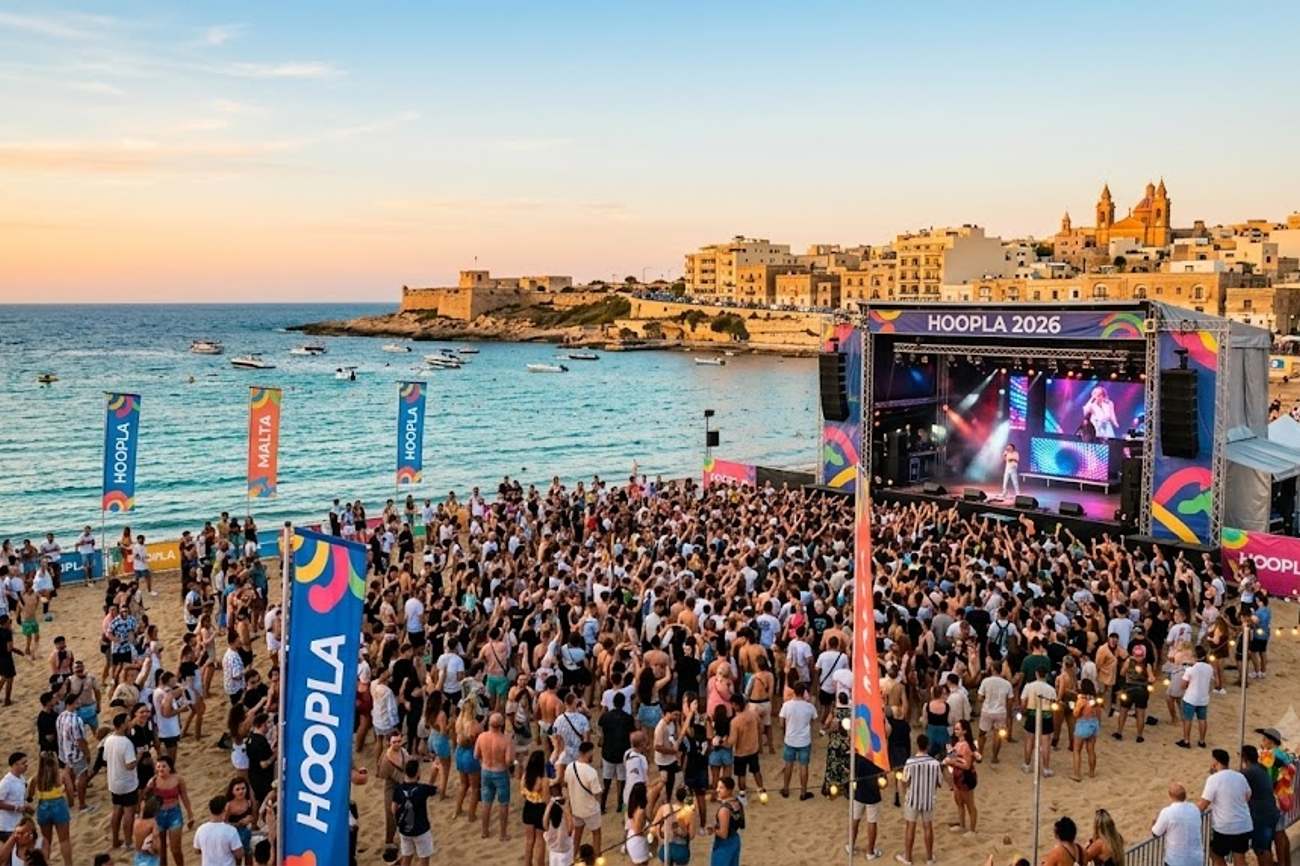
Image generated by AI
Unlike traditional music festivals that confine you to a muddy field for three days, Hoopla Malta transforms the entire coastline of St. Paul’s Bay into a decentralized party zone. From 25 to 27 September 2026, the festival abandons the single-stage model in favor of a multi-venue takeover, where the Mediterranean Sea serves as the primary backdrop for a mix of house music, pop, and inclusive performance art.
The Shift Toward Coastal Festivalism in St. Paul’s Bay
The traditional European festival circuit is evolving, and Malta is leading the charge by integrating high-energy nightlife directly into its luxury coastal infrastructure. Hoopla Malta 2026 is not just a series of concerts; it is a strategic occupation of the northern coast. By utilizing established hotspots like Bora and Caf del Mar Malta, the event removes the friction of camping and portable toilets, replacing them with poolside lounges and beachfront decks.
This approach reflects a broader trend in Mediterranean tourism where "event-based travel" merges with luxury leisure. Instead of isolating attendees in a remote venue, the festival allows the city of St. Paul’s Bay to breathe with the rhythm of the music. For those visiting in September, the timing is precise. The oppressive heat of July and August has faded, but the sea remains warm enough for the daytime pool parties that define the Hoopla experience.
The appeal for the UK and European markets is the ability to curate a "hybrid holiday." You can spend your morning visiting the limestone cliffs of the north and your afternoon at a DJ-led session. The 2026 iteration continues this legacy of diversity, welcoming a wide spectrum of attendees through a program that blends mainstream pop with LGBTQ+ entertainers and drag performances. While the specific 2026 roster is still under wraps, the precedent set by previous headliners like Ultra Naté, Katy B, Melanie C, and Leigh-Anne suggests a high-production blend of dance and vocal pop.
What Makes the Maltese Experience Different
Malta is an anomaly in the Mediterranean. It is a compact fortress of an island where you can move from a medieval silence to a thumping house beat in under forty minutes. The geographic concentration of the island means that Hoopla Malta doesn't exist in a vacuum; it is an anchor for a wider exploration of the archipelago.
The experience is defined by the contrast between the "high-octane" festival zones and the "slow-burn" Maltese culture. One moment you are immersed in a club-style nightlife event at a beachfront venue, and the next, you are walking through the narrow, honey-colored streets of a village where time seems to have stopped in the 17th century. This juxtaposition is what draws the international crowd. It is the ability to experience the cutting edge of electronic music while being surrounded by some of the oldest inhabited cities in the world.
Furthermore, the integration of the sea is not a gimmick—it is the core of the event. The transition from daytime swimming to sunset sets and eventually late-night parties creates a natural progression of energy that mirrors the Mediterranean lifestyle. This isn't about standing in a crowd for ten hours; it is about floating in a pool while a DJ sets the mood, then moving to a waterfront restaurant for dinner before the evening acts begin.
Visitor Insider Tips
To navigate Hoopla Malta 2026 like a local rather than a tourist, you need to understand the logistics of the northern coast. St. Paul’s Bay is a sprawling area, and while it seems small on a map, the traffic can be punishing.
Where to Base Yourself: Do not make the mistake of staying in Valletta if you want to be at the heart of the action. While the capital is stunning, the commute to the north can be grueling during festival weekends. Target accommodation in Bugibba or Qawra. These areas are within walking distance or a very short ride to the primary venues like Caf del Mar and Bora, allowing you to avoid the taxi queues that form after the late-night sets.
Transport Hacks: While public buses are extensive, they can be slow during peak festival hours. For the 25 to 27 September window, rely on ride-sharing apps or pre-booked private transfers for your late-night returns. If you are moving between the festival and the airport, the Malta International Airport is your gateway, but remember that the journey to the north coast takes significantly longer than the trip to the city center.
Local Etiquette and Timing: Maltese culture revolves around the "passeggiata"—the evening stroll. Even during a festival, you will see locals walking the waterfront. Respect the residential pockets of St. Paul’s Bay; the party is concentrated in the venues, but the surrounding neighborhoods remain homes.
Regional Specialties: Between sets, skip the generic festival food. Look for Pastizzi—flaky pea or ricotta-filled pastries sold at small kiosks. They are the ultimate fuel for a festival-goer. Pair them with a Kinnie, the local bitter orange soda that is an acquired taste but a national obsession.
Cultural and Environmental Context
The rise of large-scale events like Hoopla in St. Paul’s Bay brings a complex dynamic to the local community. Malta is a small island with a finite amount of space, and the influx of thousands of music tourists puts pressure on local infrastructure. However, these events provide a significant economic boost to the northern region, shifting the tourism focus away from the overcrowded center of Valletta.
There is a delicate balance between the "party island" image and the preservation of Malta's heritage. The government and local organizers are increasingly tasked with ensuring that the noise and congestion of festivals do not erode the quality of life for residents. Visitors are encouraged to be mindful of their environmental footprint, particularly when visiting sensitive areas like the Blue Lagoon or the UNESCO World Heritage sites in Valletta.
The inclusivity of Hoopla—specifically its celebration of LGBTQ+ artists—also plays a role in Malta's modern cultural identity. Malta has consistently ranked as one of the most LGBTQ-friendly countries in Europe, and the festival serves as a public manifestation of this openness, blending international party culture with local social progress.
FAQ: Visiting Malta 2026
What is the best time to visit for the festival? Plan your trip for the last week of September. The Hoopla dates (25-27 September 2026) coincide with the ideal weather window where the Mediterranean is still warm for swimming, but the summer humidity has dropped.
Do I need a visa to enter Malta? Citizens of the UK, USA, and EU generally do not need a visa for short stays. However, always check the latest Schengen Area requirements via the official Visit Malta portal before booking.
How do I get to St. Paul's Bay from the airport? The fastest way is via a private transfer or taxi, which takes about 30-45 minutes. Public buses are available but can be time-consuming with luggage.
Is St. Paul's Bay safe for solo travelers? Yes, it is generally very safe. The area is heavily touristed and well-lit. Using registered taxis and staying in populated areas of Bugibba or Qawra is recommended for solo visitors.
Trade the muddy boots for sandals and let the Mediterranean beat set your pace.
Tags: StPaulsBayMalta, HooplaMalta2026, MaltaNightlife2026, MediterraneanFestivalTravel, VisitMalta2026
Related Travel Guides
Disclaimer
This article is for informational and educational purposes only. It does not constitute legal, financial, or professional advice. While we strive to provide accurate and up-to-date information, travel policies, regulations, and conditions change rapidly. Always verify information with official sources before making travel decisions. Nomad Lawyer makes no representations about the accuracy, reliability, completeness, or suitability of the information provided. Readers should consult qualified professionals for advice specific to their circumstances. The views expressed in this article are those of the author and do not necessarily reflect the views of Nomad Lawyer.
Naina Thakur
Contributor & Travel Specialist
Travel enthusiast and legal writer covering visa regulations, responsible tourism, and cultural journeys across global destinations.
Learn more about our team →