
Peru Follows Mexico as Fiesta Tours Supercharges Tailor Made Luxury Travel With Personalised Journeys
Peru Follows Mexico as Fiesta Tours Supercharges Tailor Made Luxury Travel With Personalised Journeys

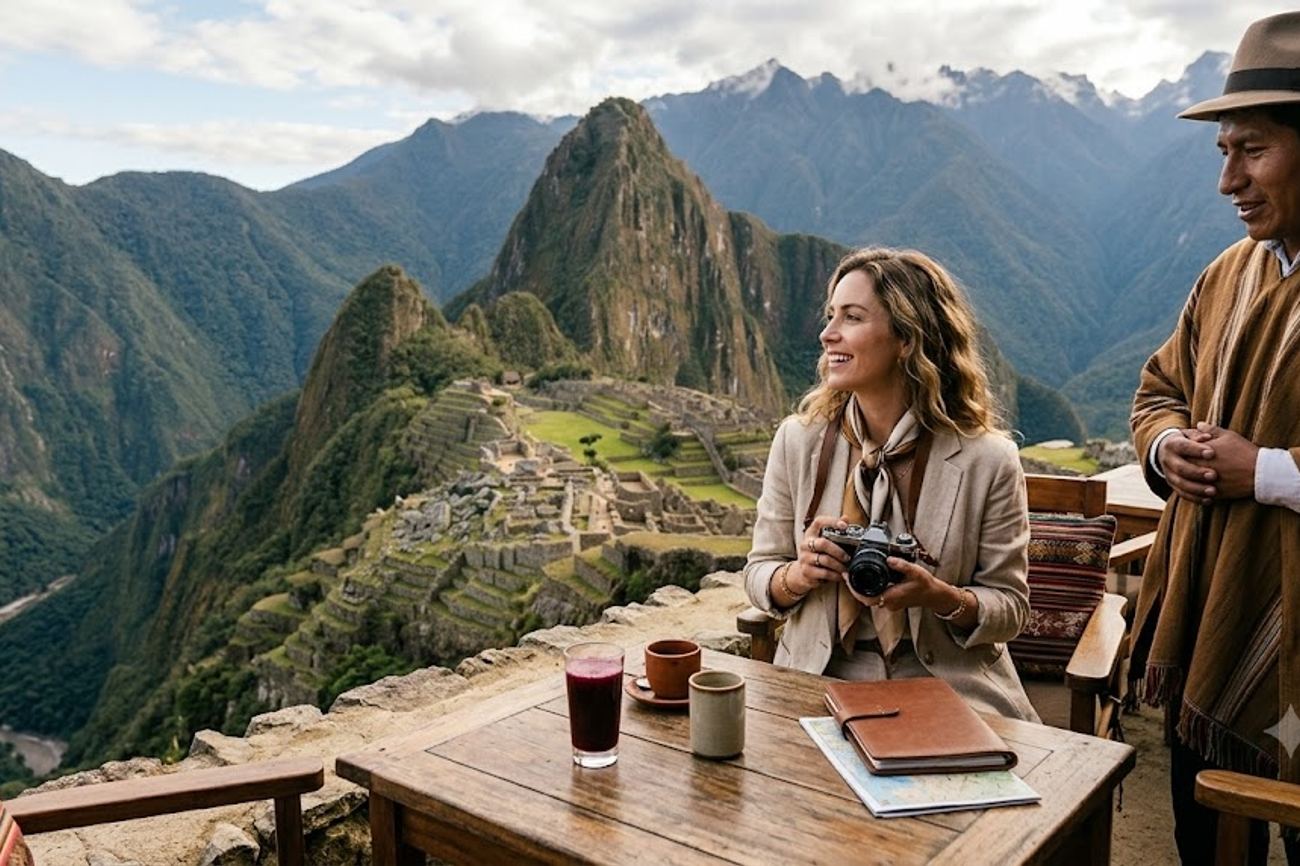
Image generated by AI
50 years of operational history have transformed Fiesta Tours from a provider of generic group excursions into a specialist in high-end, bespoke Peruvian itineraries. This shift reflects a broader systemic change across the Latin American tourism sector, where the traditional "bucket list" model of tourism—characterized by rigid schedules and shared transport—is being replaced by a demand for hyper-personalized, private journeys. As Peru works to stabilize its international visitor flows, the luxury segment is emerging as the primary engine for growth, shifting the value proposition from the destination itself to the curation of the experience.
The Pivot from Mass Tourism to Bespoke Curation
The evolution of the Peruvian travel market is currently defined by a move away from the "general group programme." For decades, the primary gateway for international tourists into Peru was the structured tour: a fixed set of dates, a predetermined hotel list, and a shared pace. However, data from the region suggests a behavioral shift mirroring trends seen in Mexico, where affluent travelers now prioritize flexibility and individual pacing over cost-efficiency.
Fiesta Tours Peru Journeys has mirrored this market trajectory. The company’s trajectory—moving from general group tours to regular services, and finally to a dedicated luxury arm—illustrates a strategic response to a more discerning global clientele. By leveraging its status as a Destination Management Company (DMC), the operator is no longer just selling access to sites like Machu Picchu; it is selling the removal of friction. In the luxury tier, the "product" is no longer the hotel or the flight, but the agility of the itinerary.
This transition is supported by the operational framework of Peru Luxury Journeys, a trademark of Fiesta Tours International S.A. Since 1976, the firm has transitioned its focus toward private adventures. This longevity provides a competitive moat; the ability to navigate Peru’s complex geography—ranging from the Andean highlands to the Amazon basin—requires a level of logistical intelligence that cannot be replicated by new entrants or digital-only booking platforms.
Market Segmentation and Operational Logistics
The current luxury demand in Peru is not monolithic. It is driven by specific high-spending corridors, primarily from the United States, Europe, Brazil, and Mexico. For these markets, the definition of "luxury" has evolved. It is no longer defined solely by five-star accommodations, but by "destination information" and "responsiveness."
The logistical complexity of a high-end Peruvian itinerary is significant. A single journey often requires the synchronization of multiple transport modes and regional experts. The following table outlines the components currently being integrated into the luxury tailor-made model:
| Luxury Component | Traditional Group Model | Tailor-Made Luxury Model |
|---|---|---|
| Itinerary Structure | Fixed dates and destinations | Flexible, interest-based pacing |
| Transportation | Shared coach/bus | Private transfers with bilingual drivers |
| Guidance | Generalist group guides | Specialized professional guides |
| Accommodation | Standard partner hotels | Curated high-end boutiques and luxury rail |
| Communication | Standard booking confirmation | High-responsiveness, pre-trip consultation |
The integration of luxury rail travel and curated culinary encounters represents a shift toward "experiential luxury." By focusing on the Amazon and the Sacred Valley through a private lens, operators are able to charge a premium for exclusivity and the avoidance of crowds—a primary pain point for the modern high-net-worth traveler.
Expert Analysis: The "Knowledge Moat" in High-End Travel
For travelers booking routes through Peru, the direct consequence of this industry shift is a widening gap between "packaged" and "curated" travel. The move toward personalization means that the value of a tour operator has shifted from access (having a ticket to a site) to intelligence (knowing exactly when to visit that site to avoid the crowds).
The pricing pressure created by this shift is significant. As operators like Fiesta Tours move away from the economies of scale provided by group tours, the cost per passenger increases, but so does the margin. This is a strategic move to insulate the business from the volatility of mass tourism. When a company focuses on the luxury segment, it becomes less susceptible to the price wars of budget travel and more dependent on the strength of its brand and the quality of its local relationships.
Furthermore, the emphasis on "responsiveness" mentioned by Carola Rivera, Reservations Manager at Fiesta Tours, highlights a critical shift in the luxury sales funnel. In the high-end market, the sale is not closed at the point of booking; it is closed during the consultation phase. The ability to provide rapid, accurate answers regarding transfers and timing is a signal of operational competence. For the traveler, this reduces the perceived risk of visiting a geographically challenging destination.
This evolution is closely monitored by global bodies such as the World Tourism Organization (UNWTO), as it signals a move toward more sustainable, lower-impact, but higher-revenue tourism. By moving fewer people through more expensive, private experiences, Peru can potentially mitigate the environmental strain on sensitive sites like Machu Picchu while maintaining or increasing tourism revenue.
Key Takeaways
- Strategic Shift: Peru’s luxury sector is moving from "premium services" (expensive hotels) to "personalized curation" (flexible, interest-led itineraries).
- Market Drivers: The primary demand for tailor-made Peruvian journeys is originating from the US, Europe, Mexico, and Brazil.
- Operational Evolution: Established operators are leveraging decades of destination expertise to create "knowledge moats" that protect them from budget competitors.
- Value Proposition: The modern luxury traveler prioritizes responsiveness and flexibility over fixed itineraries, making the pre-trip communication phase a critical part of the product.
- Diversification: The luxury model now integrates high-end rail and specialized Amazonian experiences to differentiate from standard sightseeing tours.
FAQ: Peru Luxury Travel 2024
What is the difference between a regular tour and a tailor-made luxury tour in Peru? Regular tours follow a fixed itinerary and schedule with a group. Tailor-made luxury tours are designed around your specific interests, pace, and preferences, utilizing private transport, professional guides, and flexible timing.
Which markets are currently driving the demand for luxury travel in Peru? The highest demand for personalized, high-end journeys in Peru currently comes from travelers based in the United States, Europe, Mexico, and Brazil.
Does luxury travel in Peru only mean staying in expensive hotels? No. Modern luxury in Peru focuses on "experiential" value, including private access to sites, bilingual professional drivers, curated culinary experiences, and the ability to modify itineraries in real-time.
Why is destination expertise important for a luxury operator? Peru's diverse geography (Andes, Amazon, Coast) makes logistics complex. Experienced operators can synchronize private transfers and high-end rail travel more efficiently, reducing friction for the traveler.
The shift toward bespoke journeys proves that in the modern travel economy, exclusivity is the only currency that doesn't depreciate.
Tags: Fiesta Tours, Peru Luxury Journeys, Machu Picchu 2024, Peru Tourism Strategy, Tailor-Made Travel Peru, Latin America Luxury Tourism
Related Travel Guides
Disclaimer
This article is for informational and educational purposes only. It does not constitute legal, financial, or professional advice. While we strive to provide accurate and up-to-date information, travel policies, regulations, and conditions change rapidly. Always verify information with official sources before making travel decisions. Nomad Lawyer makes no representations about the accuracy, reliability, completeness, or suitability of the information provided. Readers should consult qualified professionals for advice specific to their circumstances. The views expressed in this article are those of the author and do not necessarily reflect the views of Nomad Lawyer.
Kunal K Choudhary
Co-Founder & Contributor
A passionate traveller and tech enthusiast. Kunal contributes to the vision and growth of Nomad Lawyer, bringing fresh perspectives and driving the community forward.
Learn more about our team →