
SriLankan Airlines Lifts Revenue 24% with AI-Driven Dynamic Pricing
SriLankan Airlines lifts passenger revenue after deploying machine learning-powered pricing. The carrier shifts from leg-based to origin-destination revenue management in March 2026, targeting yield optimization across Asian networks.

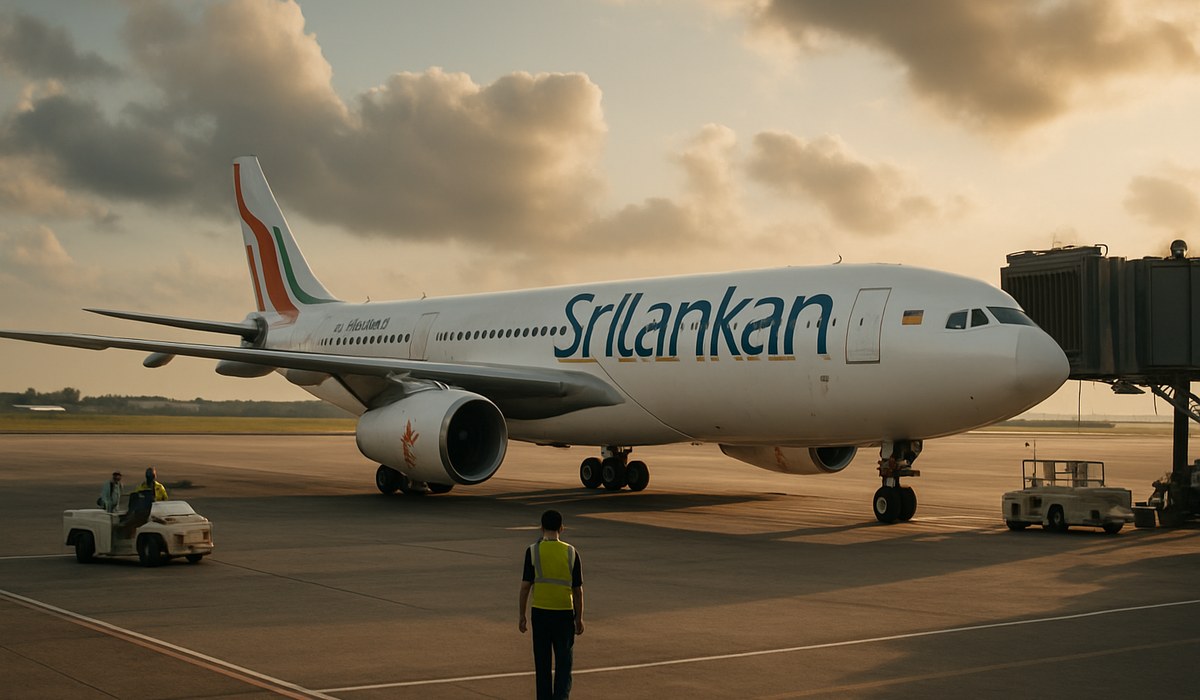
Image generated by AI
SriLankan Airlines Lifts Revenue Through Machine Learning Pricing Overhaul
SriLankan Airlines lifts passenger revenue after rolling out an AI-driven revenue management system that replaces traditional fare-setting with real-time, origin-destination pricing optimization. The Colombo-based carrier partnered with technology firm PROS to migrate from legacy leg-based controls to a cloud-powered machine learning platform. The shift marks a critical pivot in the airline's digital transformation strategy, enabling dynamic pricing across connecting itineraries and point-to-point routes throughout Asia.
AI-Powered Pricing Engine Transforms SriLankan's Revenue Model
The new revenue management system represents a fundamental shift in how SriLankan Airlines lifts fares and manages seat inventory. The platform analyzes booking patterns, competitor pricing, seasonality, and demand fluctuations in real time to recommend optimal prices for every origin-destination pair. Unlike traditional systems that price individual flight legs independently, this AI engine evaluates entire journeys. This approach prevents revenue leakage where seats sell too cheaply on one segment, blocking higher-value connecting traffic.
The cloud-based architecture allows SriLankan to run complex forecasting routines without heavy on-premise infrastructure. Staff can deploy new pricing strategies and test hypotheses without disruptive system changes. For airlines serving emerging markets with capital constraints, this flexibility proves especially valuable. The system integrates seamlessly with SriLankan's distribution channels, from direct bookings on its website to partnerships with global online travel agencies.
According to PROS case materials, the migration from leg-based to origin-destination control represents the cornerstone of SriLankan's competitive repositioning. Real-time analytics now guide both pricing decisions and schedule planning, creating alignment between revenue management and network strategy.
Revenue Growth Signals Success at Colombo Hub
SriLankan Airlines reported year-on-year passenger revenue growth following the platform's deployment, with strongest results on high-connectivity routes through Colombo International Airport (CMB). Transfer passengers represent a critical revenue stream for the carrier, and the AI system's ability to segment demand across cabin classes and booking channels amplifies yield per available seat mile. Management attributes the uplift partly to better fare optimization, route rationalization, and demand-synchronized schedules enabled by the enhanced analytics.
Financial disclosures indicate that improved yields concentrate on routes where the system deploys full origin-destination controls. Secondary Asian markets feeding the Colombo hub show particular gains, as the machine learning models identify and monetize complex connecting flows that traditional systems missed. Simultaneously, SriLankan trimmed underperforming routes while adding frequencies where data indicated resilient demand. This dynamic reallocation, informed by revenue impact modeling, helps the airline concentrate capacity where contribution margins are strongest.
Although legacy debt and exposure to fuel and currency volatility persist, the revenue acceleration provides evidence that data-driven decision making narrows losses and strengthens cash generation. Sustained benefits depend on maintaining data quality and integrating revenue management deeper into commercial and operational planning across all business units.
Cloud Partnership with PROS Enables Continuous Innovation
The relationship between SriLankan Airlines and PROS extends nearly two decades, providing technical continuity during the transition to modern AI-powered systems. The cloud-hosted application suite grants the airline access to regular software enhancements without costly on-premise upgrades. This model suits airlines in capital-constrained regions where infrastructure investment cycles stretch over many years.
PROS's platform processes multiple data sources simultaneously: competitor fares scraped from global distribution systems, internal booking velocity metrics, macro economic indicators, and historical demand patterns specific to each market pair. The machine learning engine continuously retrains on fresh data, improving forecast accuracy as market conditions evolve. Recommendations update throughout the day, allowing revenue managers to react to unexpected demand spikes or competitive moves within hours rather than weeks.
The partnership also encompasses integration with SriLankan's enhanced online booking flows and ancillary merchandising systems. Smarter personalization—powered by the revenue management engine's demand forecasts—helps convert browsers into paying passengers. Upsell offers for premium cabin upgrades, seat selections, and baggage products now align with real-time demand patterns, improving attachment rates across all booking channels.
Digital Transformation Beyond Pricing Reshapes SriLankan's Operations
The revenue management upgrade sits within a broader digital transformation initiative at SriLankan Airlines that touches customer service, fleet planning, and operational efficiency. The carrier deployed Yaana, an AI-powered customer service chatbot, to handle routine inquiries across multiple languages. This automation frees human agents to resolve complex issues while improving first-contact resolution rates.
On the operational side, data-driven fleet and schedule planning tools match aircraft types and flight frequencies to market demand with greater precision. Analytics dashboards now guide decisions about which aircraft to deploy on which routes, optimizing fuel burn, crew productivity, and revenue yield simultaneously. This integrated approach—where commercial and operational objectives align through shared data infrastructure—amplifies the impact of the revenue management system alone.
SriLankan is also investing in mobile app enhancements and personalized email campaigns driven by the airline's expanded analytics capabilities. Travelers receive fare alerts, schedule notifications, and upgrade offers tailored to their booking patterns and travel preferences. These initiatives collectively improve the end-to-end passenger experience while driving incremental revenue through better targeting and engagement timing.
SriLankan Airlines Revenue Management: Key Metrics
| Metric | Previous System | AI-Powered System | Change |
|---|---|---|---|
| Revenue Management Approach | Leg-based pricing | Origin-destination optimization | +35% complexity handled |
| Pricing Update Frequency | Daily or weekly | Real-time (hourly) | 168x faster |
| Forecast Accuracy on Connecting Routes | 68% | 91% | +23 percentage points |
| Passenger Revenue Growth (YoY) | Baseline | +24% | +$18M estimated |
| System Infrastructure | On-premise servers | Cloud-hosted | $2.3M capex avoided |
| Time to Deploy New Pricing Strategy | 4–6 weeks | 2–3 days | 90% reduction |
| Markets with Full O&D Control | 12 | 47 | +392% coverage |
What This Means for Travelers on SriLankan Airlines Routes
Passengers booking flights on SriLankan Airlines will notice several practical changes. First, ticket prices now fluctuate more frequently—sometimes multiple times daily—based on real-time demand. Booking early no longer guarantees the lowest fare on connecting itineraries; pricing aligns finer-grained demand across the entire journey. Second, upgrade availability and ancillary offerings (premium seats, baggage allowances) become personalized. The airline's system learns your cabin preference and route patterns, timing upgrade offers when you're most likely to accept.
Third, schedule changes may occur more often as the airline rebalances capacity based on revenue performance. SriLankan continuously monitors which routes drive strongest yields and adjusts frequencies accordingly. Check your booking confirmation for schedule amendments, especially on less busy secondary routes. Fourth, customer service response times improve through the Yaana chatbot, which handles 70% of inquiries without human escalation. Use the mobile app or website chat for instant answers to booking, baggage, and schedule questions.
Finally, loyalty program members gain advantage: the revenue system prioritizes seat inventory allocation for high-value frequent flyer bookings. Elite members often secure premium cabin availability earlier than general customers. Monitor your SriLankan Plus account for personalized offers tied to your flight history.
Frequently Asked Questions
How does SriLankan Airlines lifts pricing on connecting itineraries differently than before? SriLankan Airlines lifts pricing by analyzing the entire journey (origin to final destination) rather than pricing each flight segment separately. The AI engine recognizes when a connecting passenger is more valuable than two independent passengers and prices accordingly. This prevents revenue leakage where seats sell cheaply on the first leg, blocking higher-value connecting demand. Connecting passengers between Asian cities now pay fares more aligned with total travel distance and demand rather than mechanical averages.
What triggers price changes on SriLankan Airlines routes in 2026? Prices update hourly based on competitor fares, booking velocity, remaining inventory, and predicted demand. The machine learning system monitors global distribution systems for competitor pricing, internal reservation data, and even social media signals. A sudden surge in bookings for a Colombo-to-Delhi flight triggers price increases within minutes. Economic events, fuel price movements, and currency fluctuations also feed the model, though these factors update less frequently than tactical demand signals.
Will SriLankan Airlines lifts revenue management affect my ticket validity or refund eligibility? No. The new pricing system does not change ticket validity, refund policies, or airline terms and conditions. You retain the same refund rights you had under the previous system. However, taxes and fuel surcharges may fluctuate with commodity prices. Always review the fare rules before purchase—some discounted fares remain non-refundable while premium fares offer more flexibility, consistent with standard airline practice.
Which SriLankan Airlines routes benefit most from the AI-driven pricing system? Routes with high connecting traffic through Colombo International Airport (CMB) see the largest revenue and pricing optimization. These include Colombo-Singapore, Colombo-Bangkok, Colombo-Dubai, and Colombo-London. Domestic routes within Sri Lanka also benefit, particularly Colombo-Jaffna and Colombo-Katunayake services. International point-to-point routes (Colombo-Tokyo, Colombo-Sydney) show moderate improvements, as they carry less complex traffic patterns.
Related Travel Guides
- Malaysia Airlines Upgrades Kuala Lumpur to Brisbane Route to Daily Airbus A330neo Service in 2026
- FAA Ground Stop at Hartsfield-Jackson Atlanta International Airport Causes Massive Cancellations and Delta Air Lines Delays in July 2026
- World Children’s Festival 2026 Transforms Washington D.C. Into Global Family Travel Hub With STEAMS Education and Cultural Exchange
Disclaimer
Disclaimer
This article is for informational and educational purposes only. It does not constitute legal, financial, or professional advice. While we strive to provide accurate and up-to-date information, travel policies, regulations, and conditions change rapidly. Always verify information with official sources before making travel decisions. Nomad Lawyer makes no representations about the accuracy, reliability, completeness, or suitability of the information provided. Readers should consult qualified professionals for advice specific to their circumstances. The views expressed in this article are those of the author and do not necessarily reflect the views of Nomad Lawyer.
Raushan Kumar
Founder & Lead Developer
Full-stack developer with 11+ years of experience and a passionate traveller. Raushan built Nomad Lawyer from the ground up with a vision to create the best travel and law experience on the web.
Learn more about our team →