
SriLankan Airlines A330 Struck by Lightning Mid-Climb: Engine Flames Force Emergency Return to Colombo
A SriLankan Airlines Airbus A330-200 experienced a dramatic lightning strike during departure from Colombo, forcing an emergency return with 223 passengers and crew safely aboard.

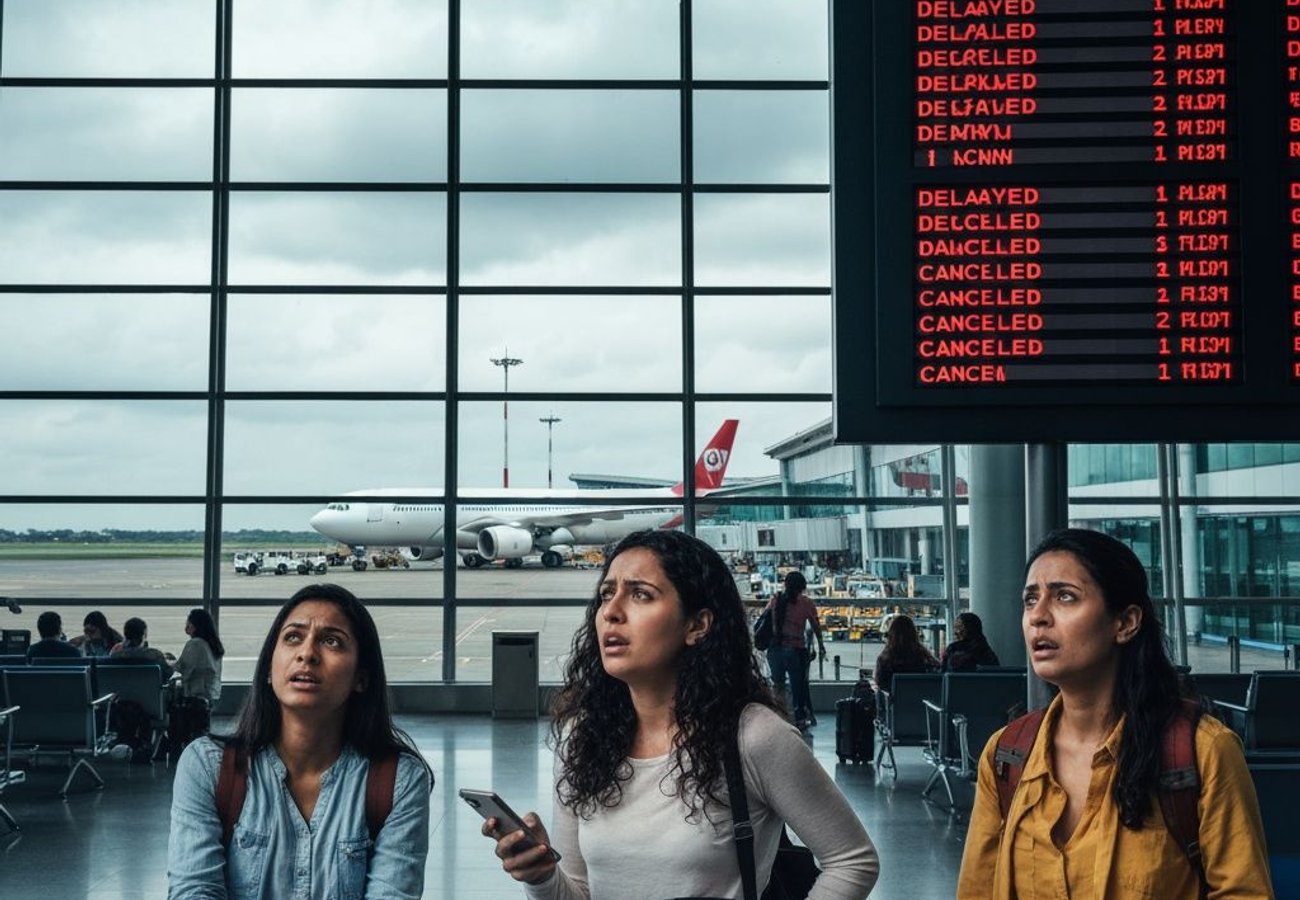
Image generated by AI
The Moment Everything Changed
It was a routine Tuesday morning departure from Bandaranaike International Airport in Colombo. Flight UL606, an Airbus A330-200 operated by SriLankan Airlines, pushed back from the gate bound for Sydney on June 12, 2026, carrying 207 passengers and 16 crew members.
The aircraft climbed into the Sri Lankan sky. Within minutes, disaster struck—literally.
A powerful lightning bolt slammed directly into the aircraft's right engine. Videos and images that circulated across social media platforms showed what appeared to be visible flames erupting near the engine cowling during the climb. The crew made an immediate decision: return to the airport without delay.
Within the hour, all 223 people on board landed safely back in Colombo.
The Aircraft At The Center Of The Storm
The aircraft involved was registered as 4R-ALH, one of SriLankan Airlines' fleet of Airbus A330-200 widebodies. Built in 2004, this jet had logged over two decades of service across long-haul routes connecting Asia, Australia, Europe, and the Middle East.
The aircraft is powered by two Rolls-Royce Trent 772B-60 turbofan engines and configured with 18 business-class seats and 252 economy-class seats. It's a workhorse of the airline's international network, typically flying routes that demand durability and reliability.
What makes this strike particularly notable: modern aircraft are engineered to handle lightning. According to industry data, a typical commercial airliner experiences a lightning strike approximately once every one to two years. The airframe is designed with conductive pathways that allow electrical current to enter and exit safely without catastrophic damage.
But visible flames? That's another story entirely.
Why The Crew Turned Back
According to Sri Lanka's civil aviation authorities, the lightning strike occurred while UL606 remained within Sri Lankan airspace during the initial climb phase. The crew observed anomalies in engine performance and received warnings from the aircraft's monitoring systems.
Rather than press on for the nearly 10-hour journey to Sydney, the pilots made the conservative choice. They declared the situation to air traffic control and executed a safe return to Bandaranaike International Airport, landing without further incident.
The Aviation Safety Network confirmed that no injuries were reported among passengers or crew members. All 223 people disembarked safely.
Reddit: "Lightning strikes are scary but aircraft are built for this. The crew did exactly what they should—land and get it checked." — r/aviation
The Investigation Begins
Sri Lankan aviation authorities immediately launched an investigation into the incident. Questions remain about the extent of damage to the aircraft's electrical systems, engine components, and structural integrity.
Commercial aircraft undergo rigorous post-incident inspections following any lightning-related event. Engineering teams typically conduct:
- Visual inspections of the external airframe
- Detailed electronic scanning of avionics systems
- Engine performance testing and borescope examinations
- Structural assessments for burn marks, pitting, or entry/exit damage
The aircraft would not return to service until engineers certified that all systems met airworthiness standards. No timeline for repairs has been announced.
SriLankan Airlines' Response
In an official statement, SriLankan Airlines reaffirmed that "passenger and crew safety remains its highest priority." The carrier confirmed that a replacement aircraft was dispatched at 05:51 local time on the same morning, allowing affected passengers to continue their journey to Sydney later that day.
The airline did not provide technical details regarding the reported engine flames or the maintenance scope required. Industry practice dictates that such information remains confidential during ongoing investigations.
This incident reflects a broader truth about modern aviation: commercial aircraft are statistically among the safest forms of transportation. When unexpected events occur—mechanical failures, weather hazards, or electrical strikes—the systems, training, and protocols are designed to keep everyone safe.
The crew of UL606 proved exactly that.
When lightning strikes, well-trained pilots and engineered aircraft systems work exactly as intended.
Related Travel Guides
Disclaimer
This article is for informational and educational purposes only. It does not constitute legal, financial, or professional advice. While we strive to provide accurate and up-to-date information, travel policies, regulations, and conditions change rapidly. Always verify information with official sources before making travel decisions. Nomad Lawyer makes no representations about the accuracy, reliability, completeness, or suitability of the information provided. Readers should consult qualified professionals for advice specific to their circumstances. The views expressed in this article are those of the author and do not necessarily reflect the views of Nomad Lawyer.
Kunal K Choudhary
Co-Founder & Contributor
A passionate traveller and tech enthusiast. Kunal contributes to the vision and growth of Nomad Lawyer, bringing fresh perspectives and driving the community forward.
Learn more about our team →