Sri Lanka Tourism Expands South African Market via Johannesburg Showcase

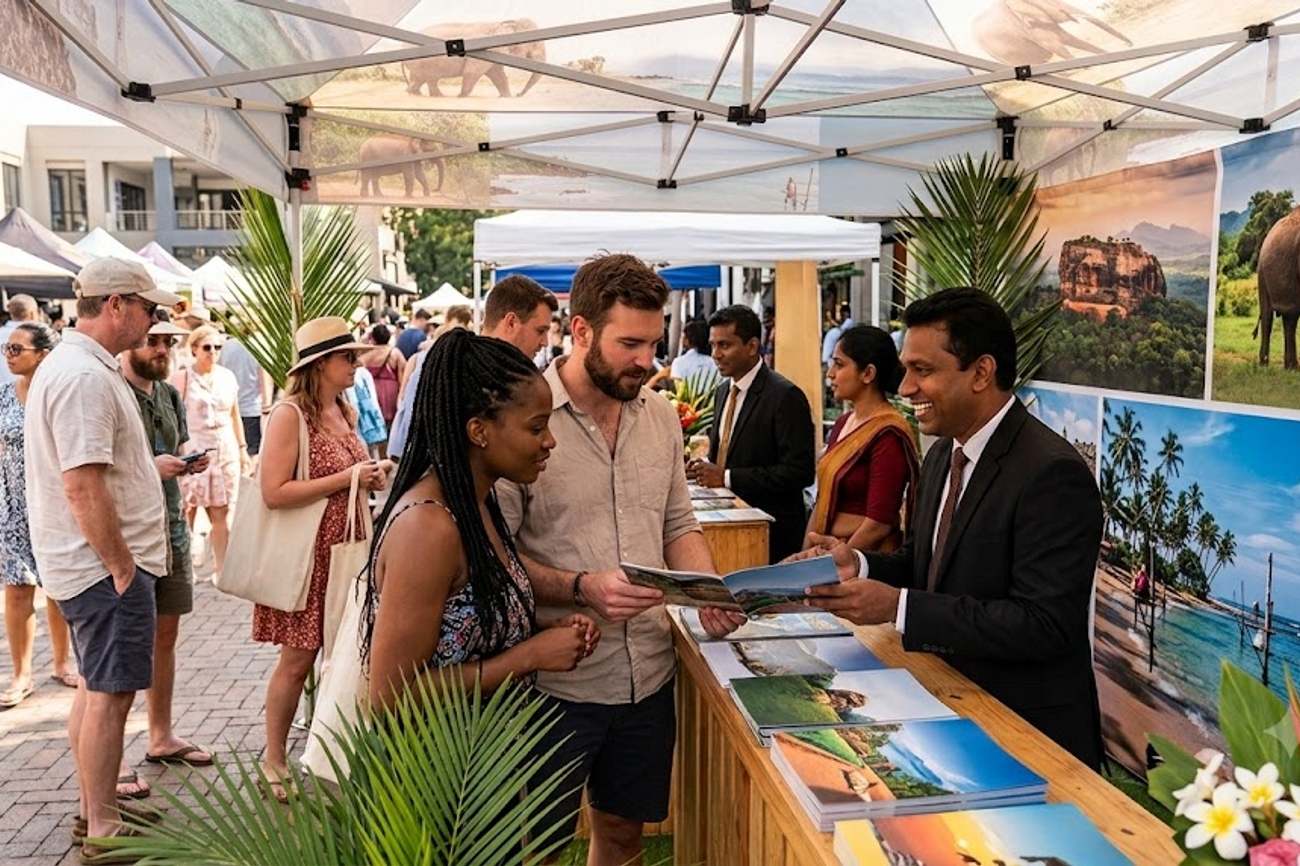
Image generated by AI
Sri Lanka Targets South African Market with Johannesburg Experience Showcase
Sri Lanka has pivoted its destination marketing strategy toward Southern Africa, executing a targeted promotional event at the Rosebank Sunday market on August 30, 2026. The initiative sought to bypass traditional B2B trade shows in favor of direct-to-consumer engagement within one of Johannesburg’s primary multicultural hubs.
The activation focused on a multi-pillar attraction strategy, presenting Sri Lanka not as a single-interest destination, but as a comprehensive travel hub. The promotion integrated four primary value propositions: cultural heritage, natural landscapes, wildlife, and culinary experiences.
By positioning the showcase in a public, relaxed setting, Sri Lanka Tourism aimed to capture the attention of both local South African residents and the international expatriate community frequenting the Rosebank district.
Key Facts Breakdown
- Event Date: August 30, 2026.
- Location: Rosebank Sunday market, Johannesburg, South Africa.
- Core Pillars: Wildlife, Cuisine, Culture, and Natural Landscapes.
- Target Audience: Local South African residents, international travelers, diplomatic corps, and the business community.
- Strategic Goal: Increase destination visibility and diversify the overseas visitor demographic.
Why This Matters (Analysis)
From a logistical and marketing perspective, this move represents a shift toward "experiential" destination branding. Most national tourism boards rely on travel agent workshops or formal exhibitions. By choosing a Sunday market, Sri Lanka is utilizing a "lifestyle integration" approach—meeting the traveler in a leisure environment where they are already in a "discovery" mindset.
For travelers on this route, the real impact is the positioning of Sri Lanka as a versatile alternative to traditional safari destinations. South African travelers are well-versed in wildlife tourism; by bundling wildlife with deep cultural heritage and a distinct culinary identity, Sri Lanka avoids competing solely on "nature" and instead offers a differentiated, holistic package.
Our analysis of this strategy suggests that Sri Lanka is attempting to build "top-of-mind" awareness in a market that may have previously viewed the island as too distant or niche. The inclusion of the diplomatic and business communities indicates that this is not just a leisure play, but an effort to strengthen broader bilateral ties.
Industry Outlook
Market trends suggest a growing demand for "multi-experience" journeys. Sri Lanka’s decision to promote heritage, food, and nature simultaneously aligns with the current traveler preference for "slow travel" and immersive cultural exchange.
Expect to see further activations in Southern African urban centers. If the engagement data from the Rosebank event holds, Sri Lanka will likely seek formal partnerships with South African tour operators to establish streamlined flight and visa pathways, reducing the friction for the Johannesburg-to-Colombo corridor.
Internal Link Suggestions:
- Explore our latest analysis on [Emerging Asian Tourism Markets].
- Read more about [Sustainable Wildlife Tourism Trends 2026].
- View the guide to [South Africa-Asia Travel Corridors].
Related Travel Guides
This article is for informational purposes. Flight routes, passenger regulations, visa rules, and transit advisories are subject to change by airlines and aviation authorities. Readers are advised to verify schedules and travel documentation with relevant carriers and border agencies before departure.
Related Stories

China’s Rise in Technology Tourism: AI Study Tours and Smart Destinations
Shanghai Tourism Festival 2026: 170+ Events Transform City into Global Cultural Hub