Sri Lanka and Thailand Launch Visa-Free Travel to Build Bilateral Buddhist Tourism Corridor: Kandy, Anuradhapura, Bangkok, and Lampang Spiritual Circuits
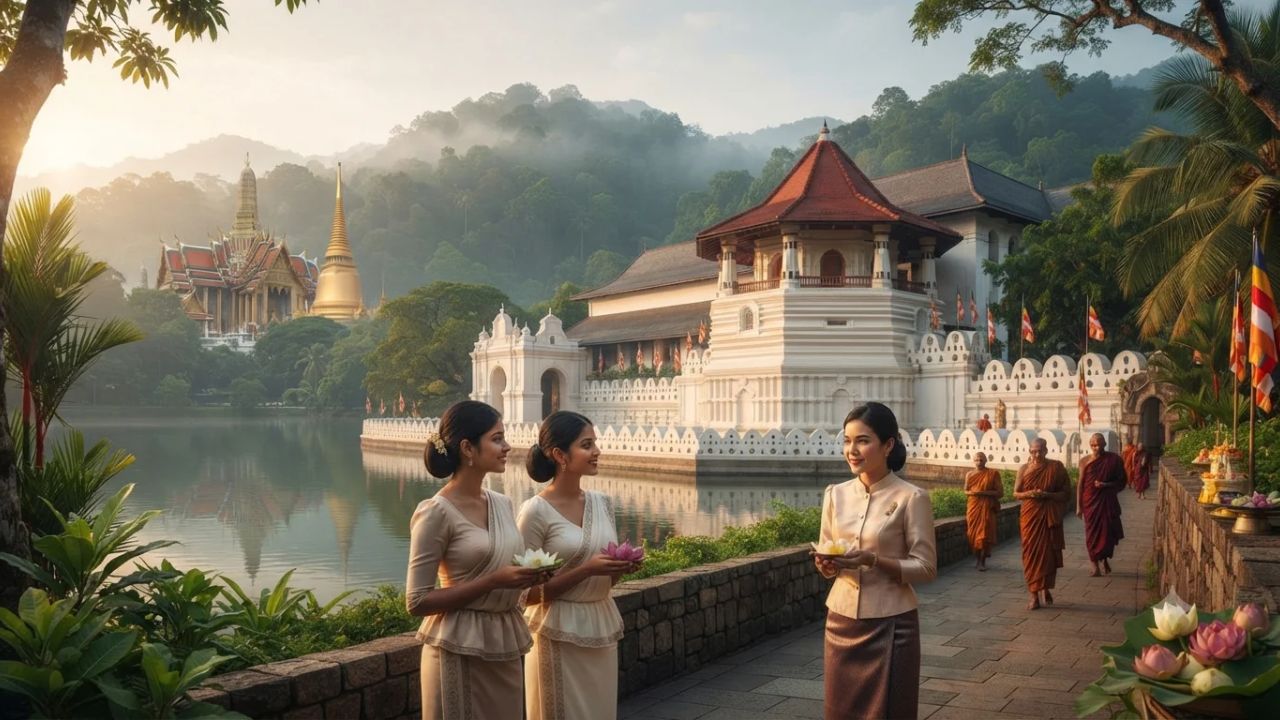
Sri Lanka and Thailand have inaugurated a transformative era in Asian religious, cultural, and wellness travel following the formal signing of an ordinary-passport visa-exemption agreement in November 2026. Under the terms approved by the Thai Cabinet and ratified by Sri Lankan authorities, citizens holding ordinary passports will enjoy visa-free entry for stays of up to 30 days per visit, capped at a cumulative 90 days within any 180-day rolling window, entering into force 60 days following the completion of internal diplomatic notifications. Far transcending routine immigration facilitation, this landmark bilateral pact establishes the formal operational framework for an integrated Buddhist Tourism Corridor connecting the sacred pilgrimage hubs of Kandy and Anuradhapura with Bangkok, Ayutthaya, and Lampang. Rooted in more than five centuries of shared Theravada monastic lineages, royal robe presentations, and sacred relic custodianship, the corridor effortlessly combines religious pilgrimage with cross-border spiritual meditation retreats and high-value wellness tourism across both Indian Ocean nations.
The establishment of this cross-border travel corridor represents a natural maturation of diplomatic and ecclesiastical relations between Colombo and Bangkok. While international tourism has frequently focused on sun-and-sand beach holidays in southern Sri Lanka or shopping and nightlife in urban Thailand, both countries possess profound cultural assets rooted in the Theravada Buddhist tradition. The reciprocal elimination of visa barriers removes administrative friction, application costs, and processing delays for millions of potential travelers. Consequently, monastic delegations, devout pilgrims, heritage scholars, and wellness seekers can now plan modular, multi-destination journeys spanning ancient stupas, living monastic complexes, sacred Bodhi trees, and restorative Ayurvedic healing centers with unprecedented flexibility.
========================================================================================
SRI LANKA–THAILAND VISA-FREE AGREEMENT & BUDDHIST TOURISM CORRIDOR SCORECARD
========================================================================================
Operational Dimension         Verified Bilateral Specification & Policy Framework
----------------------------------------------------------------------------------------
Bilateral Treaty Name         Visa Exemption Agreement for Holders of Ordinary Passports
Signatory Governments         Democratic Socialist Republic of Sri Lanka & Kingdom of Thailand
Signing Date                  November 2026 (Formal Diplomatic Signing in Colombo & Bangkok)
Statutory Entry-into-Force    Effective 60 Days Post-Final Diplomatic Notification of Ratification
Permitted Length of Stay      Up to 30 Days Continuous Stay per Qualifying Visit
Maximum Cumulative Limit      Strictly Capped at 90 Days Total within any 180-Day Rolling Period
Target Passport Category      Ordinary Passports (Diplomatic & Official already visa-exempt)
Primary Purpose of Entry      Tourism, Religious Pilgrimage, Cultural Exchange, Monastic Study
Core Sri Lankan Sacred Hubs   Kandy (Sri Dalada Maligawa, Asgiriya), Anuradhapura, Polonnaruwa
Core Thai Sacred Hubs         Bangkok (Wat Saket, Wat Pho), Lampang (Wat Phra That Lampang Luang)
Living Religious Ceremonies   Royal Kathina Robe Presentations, Vesak, Loi Krathong, Esala Perahera
Cross-Border Spiritual RetreatsDebsirindrawas Monastery Dhamma Retreat (Jan–Feb 2027)
Wellness Synergy Dimension    Thailand's $46.5B Wellness Economy + Sri Lanka's Authentic Ayurveda
Direct Aviation Gateways      Colombo Bandaranaike (CMB) to Bangkok Suvarnabhumi (BKK) / Don Mueang
Operating Scheduled Carriers  SriLankan Airlines, Thai Airways, Thai AirAsia (Daily Frequencies)
========================================================================================
Sources: Thai Government Cabinet Secretariat Announcement; Sri Lanka Government News Portal;
Tourism Authority of Thailand (TAT); Sri Lanka Tourism Development Authority (SLTDA, Nov 2026).
========================================================================================
The Bilateral Visa-Free Architecture: Regulations, Thresholds, and Implementation
The formal visa-exemption agreement signed between Sri Lanka and Thailand represents a structural breakthrough in South Asian and Southeast Asian mobility. To properly navigate the new regime, international travelers and tour operators must understand the precise statutory parameters established by both foreign ministries.
========================================================================================
VISA EXEMPTION REGULATORY MATRIX: SRI LANKA & THAILAND
========================================================================================
Regulatory Dimension          Statutory Rule & Enforcement Guideline
----------------------------------------------------------------------------------------
Eligible Nationality / Travel Citizens of Sri Lanka visiting Thailand; Citizens of Thailand
                              visiting Sri Lanka, holding valid biometric ordinary passports.
----------------------------------------------------------------------------------------
Minimum Passport Validity     Strictly 6 Months minimum validity from the date of arrival.
----------------------------------------------------------------------------------------
Allowed Duration per Entry    Up to 30 Days continuous stay without requiring a pre-issued visa.
----------------------------------------------------------------------------------------
180-Day Rolling Threshold     Maximum 90 days total cumulative stay within any 180-day window.
                              (Prevents unauthorized residency or continuous visa runs).
----------------------------------------------------------------------------------------
Permitted Activities          Tourism, leisure, visiting relatives, attending religious events,
                              participating in meditation retreats, and short-term study.
----------------------------------------------------------------------------------------
Prohibited Activities         Paid employment, commercial trade, long-term monastic ordination.
----------------------------------------------------------------------------------------
Statutory Implementation Date 60 Days after exchange of final diplomatic ratification notes.
                              (Travelers must confirm effective date before departure).
========================================================================================
1. Understanding the 60-Day Diplomatic Notification Clause
A vital operational detail emphasizes caution for immediate travelers: as of late November 2026, while the agreement has been formally signed by accredited plenipotentiaries and approved by Thailand's Cabinet, it does not take effect overnight. Under standard international treaty protocols, the visa exemption becomes operational exactly 60 days after both nations exchange formal diplomatic notes confirming that their respective constitutional and legislative procedures have been finalized.
During this interim transition period, Sri Lankan travelers visiting Thailand must continue to utilize standard electronic visa (eVisa) platforms, while Thai citizens traveling to Sri Lanka must obtain an Electronic Travel Authorization (ETA). Travelers are strongly advised to consult the official portals of the Royal Thai Embassy in Colombo and the Sri Lankan Department of Immigration and Emigration to verify the precise date of entry-into-force before boarding flights without pre-arranged visas.
2. The 30-Day and 90/180-Day Calculation Mechanism
The agreement incorporates standard international anti-abuse safeguards:
- 30-Day Single Stay: Travelers may remain in the destination territory for up to 30 calendar days upon entry. Immigration officers stamp the entry date and an exit expiry date directly into the passport upon arrival at international border checkpoints.
- The 90-Day in 180-Day Ceiling: To prevent foreign nationals from establishing informal permanent residency through repetitive border hops, travelers cannot exceed an aggregate of 90 days within any rolling 180-day calendar period. This window operates dynamically: every day spent in the host nation during the preceding six months is counted toward the 90-day threshold.
3. Economic Impact of Eliminating Visa Overhead
The elimination of visa requirements delivers substantial financial and administrative relief:
- For Sri Lankan pilgrims visiting Thailand, the waiver removes standard consular visa processing fees (approximately $35 to $40 per applicant) and eliminates the need to compile complex bank statements, employment verification letters, and hotel booking vouchers previously required for tourist visa applications.
- For Thai travelers visiting Sri Lanka, the waiver bypasses the $50 Electronic Travel Authorization (ETA) fee. For a family or monastic group of six travelers, this represents an immediate net saving of $300, which can be redirected toward local transport, accommodations, and temple donations.
========================================================================================
TRAVEL FORMALITY COMPARISON: PRE-AGREEMENT VS. POST-IMPLEMENTATION
========================================================================================
Process Stage                 Pre-Agreement Protocol        Post-Implementation Visa-Free
----------------------------------------------------------------------------------------
Pre-Trip Visa Application     Mandatory online ETA / eVisa   Zero application required
Visa Processing Overhead Fee  $35 – $50 USD per traveler    $0 USD (Completely waived)
Document Submission           Bank proofs, flights, photos   Only passport & return ticket
Processing Turnaround Time    3 to 5 business days           Instant entry at airport border
Spontaneous Travel Ability    Severely restricted            Complete flexibility for festivals
========================================================================================
Historical and Monastic Foundations: Five Centuries of Sacred Theravada Kinship
Unlike artificial commercial tourism partnerships created solely for marketing purposes, the Buddhist Tourism Corridor between Sri Lanka and Thailand rests upon more than five centuries of verified historical, monastic, and spiritual kinship. The religious identities of both nations are profoundly intertwined through the Theravada tradition.
========================================================================================
HISTORIC MILESTONES IN SRI LANKA–THAILAND BUDDHIST INTERACTION
========================================================================================
Historical Period             Event & Lasting Monastic Legacy
----------------------------------------------------------------------------------------
Circa 1450s (15th Century)    Sacred Bodhi Tree Sapling gifted from Sri Lanka to northern
                              Thailand, planted at Wat Phra That Lampang Luang near "Sri Lanka Gate".
----------------------------------------------------------------------------------------
1753 CE (18th Century)        Establishment of Siam Nikaya: King Kirti Sri Rajasinha invites
                              Phra Upali Maha Thera from Ayutthaya to restore Upasampada in Kandy.
----------------------------------------------------------------------------------------
Late 19th Century (1890s)     King Chulalongkorn (Rama V) of Siam visits Ceylon, paying homage
                              to the Sacred Tooth Relic and supporting Buddhist scholarship.
----------------------------------------------------------------------------------------
Post-1990s to Present         Annual Royal Kathina Robe presentations across historic Sri Lankan
                              monasteries sponsored by the Thai Royal Family and Foreign Ministry.
----------------------------------------------------------------------------------------
November 2026                 23rd Royal Kathina at Asgiriya Maha Vihara in Kandy; signing of
                              the bilateral visa-exemption treaty in Colombo and Bangkok.
========================================================================================
1. The 1753 Restoration of Upasampada and the Siam Nikaya
The most significant ecclesiastical event in Sri Lanka's modern religious history directly involves Thailand. In the mid-18th century, following centuries of Portuguese and Dutch colonial conflict and domestic political upheaval, the lineage of higher monastic ordination (Upasampada) had become entirely extinct in Sri Lanka. Without fully ordained monks (bhikkhus), the continuation of the Theravada monastic order was in grave peril.
In response, the King of Kandy, Kirti Sri Rajasinha, dispatched a royal diplomatic and religious mission to the Kingdom of Ayutthaya (Siam). King Borommakot of Ayutthaya received the emissaries with deep reverence and dispatched a delegation of eminent Thai monks led by Phra Upali Maha Thera.
Arriving in Kandy in 1753, Phra Upali established an ordination hall at the Malwatte Monastery and conducted formal Upasampada ceremonies, ordaining hundreds of Sri Lankan novices, including the revered scholar Welivita Sri Saranankara. This historic act gave birth to the Siam Nikaya (the Siamese Fraternity), which remains the largest, most prestigious monastic chapter in Sri Lanka today, with its supreme leaders presiding over the Malwatte and Asgiriya chapters in Kandy. Every member of the Siam Nikaya traces their spiritual lineage directly back to the Thai monks of Ayutthaya.
2. The 550-Year-Old Bodhi Tree at Wat Phra That Lampang Luang
The spiritual exchange flowed equally in the opposite direction. More than five centuries ago, during the golden age of the northern Lanna Kingdom, an authentic sapling descended from the sacred Jaya Sri Maha Bodhi of Anuradhapura was carried across the Bay of Bengal to northern Thailand.
The sapling was reverently planted within the inner sanctuary of Wat Phra That Lampang Luang in Lampang province. Today, this colossal, ancient Bodhi tree remains an object of profound veneration. Significantly, the entrance adjacent to this sacred tree is known to this day as the "Sri Lanka Gate" (Pratu Lanka), serving as physical architectural proof of the ancient pilgrimage route connecting Ceylon with northern Thailand.
3. Royal Kathina Robe Ceremonies
The living connection continues through the annual presentation of Royal Kathina robes. Celebrated at the conclusion of the three-month Buddhist rains retreat (Vassa), Kathina represents one of the most auspicious merit-making events in Theravada Buddhism.
For more than two decades, the Thai Royal Family, in coordination with the Ministry of Foreign Affairs of Thailand, has officially sponsored Royal Kathina ceremonies in Sri Lanka. In November 2026, Thailand’s Deputy Prime Minister and Minister of Foreign Affairs visited Kandy to present the 23rd Royal Kathina robe at the revered Asgiriya Maha Vihara, paying personal homage to the Most Venerable Mahanayake Theros before venerating the Sacred Tooth Relic. Concurrently, Sri Lanka’s diplomatic delegation in Thailand participated in United Kathina ceremonies at historic temples in Lampang, illustrating that this religious bridge is actively sustained by modern heads of state and senior clergy.
========================================================================================
THE HISTORIC BUDDHIST CORRIDOR: SACRED EXCHANGE ARCHITECTURE
========================================================================================
[ Ancient Anuradhapura ] ─── (15th Century Sapling) ───► [ Wat Phra That Lampang Luang ]
  Jaya Sri Maha Bodhi                                      "Sri Lanka Gate" & Sacred Tree
          │                                                              │
          ▼                                                              ▼
[ Kandy: Sri Dalada Maligawa ] ◄── (1753 Upasampada) ─── [ Kingdom of Ayutthaya / Siam ]
  Siam Nikaya Founded                                      Phra Upali Maha Thera Mission
          │                                                              │
          ▼                                                              ▼
[ Modern Royal Kathina (2026)] ◄── (Visa-Free Corridor) ─► [ Modern Bangkok & Lampang ]
========================================================================================
Sacred Geography: Flagship Pilgrimage Destinations Across Both Nations
The newly established corridor enables tour operators and pilgrimage organizers to construct coherent, spiritually rewarding itineraries that link the most revered monastic centers of both nations into unified journeys.
========================================================================================
BILATERAL BUDDHIST HERITAGE ITINERARY MATRIX: KEY SACRED PILLARS
========================================================================================
Country / City                Sacred Site / Monastic Complex Spiritual & Heritage Significance
----------------------------------------------------------------------------------------
Sri Lanka: Kandy              Sri Dalada Maligawa            Custodianship of the Sacred Tooth Relic
                              (Temple of the Tooth)          of Gautama Buddha; heart of Siam Nikaya
----------------------------------------------------------------------------------------
Sri Lanka: Kandy              Asgiriya & Malwatte Viharas    Supreme monastic chapters founded during
                                                             the 1753 Upasampada revival mission
----------------------------------------------------------------------------------------
Sri Lanka: Anuradhapura       Jaya Sri Maha Bodhi            Oldest historically documented tree planted
                                                             in 288 BC from original Bodh Gaya branch
----------------------------------------------------------------------------------------
Sri Lanka: Anuradhapura       Ruwanwelisaya & Jetavanarama   Colossal ancient stupas containing sacred
                                                             bodily relics; monastic study center
----------------------------------------------------------------------------------------
Thailand: Bangkok             Wat Phra Kaew (Emerald Buddha) Palladium of Thailand; royal monastery
                              Wat Pho (Reclining Buddha)     Center of traditional Thai massage & study
----------------------------------------------------------------------------------------
Thailand: Bangkok             Wat Saket & Wat Ratchanatdaram Historic Loi Krathong trail; Golden Mount;
                              (Loha Prasat Brazen Palace)    Rare surviving multi-tiered metal spire
----------------------------------------------------------------------------------------
Thailand: Lampang             Wat Phra That Lampang Luang    550-year-old Sri Lankan Bodhi tree, ancient
                                                             "Sri Lanka Gate", Lanna woodcraft
----------------------------------------------------------------------------------------
Thailand: Ayutthaya           Wat Phra Si Sanphet & Wat      Historic origin point of Phra Upali Maha
(Ancient Capital)             Thammikarat Monastic Ruins     Thera's 1753 mission to Sri Lanka
========================================================================================
1. The Sri Lankan Pilgrimage Anchors: Kandy and Anuradhapura
For Thai Buddhists, visiting Sri Lanka represents an essential pilgrimage to the cradle of Theravada orthodoxy:
- Kandy and the Sri Dalada Maligawa: Located in the central highlands, the Temple of the Sacred Tooth Relic houses the left canine tooth of Gautama Buddha, which has symbolized sovereign spiritual authority in Sri Lanka for millennia. Thai pilgrims frequently participate in the daily Thevava (ritual offering services) accompanied by traditional temple drummers and oil lamp offerings. Surrounding the temple lake, the sprawling monastic colleges of Malwatte and Asgiriya welcome Thai visitors for theological dialogue.
- Anuradhapura and the World Buddhist Sangha Council: Anuradhapura was the ancient capital of Sri Lanka from the 4th century BC to the 11th century AD. Its spiritual centerpiece is the Jaya Sri Maha Bodhi, grown from a southern cutting of the original tree in Bodh Gaya under which Siddhartha Gautama attained enlightenment, brought to Sri Lanka by Sanghamitta Theri in the 3rd century BC.
- In late November 2026, Anuradhapura served as the primary staging ground for the 60th Anniversary Celebrations of the World Buddhist Sangha Council, hosting hundreds of senior monks, nuns, and lay delegates representing Theravada, Mahayana, and Vajrayana traditions from more than 50 nations. The gathering demonstrated that Anuradhapura is fully equipped to serve as an international staging hub for large-scale religious conventions.
2. The Thai Pilgrimage Anchors: Bangkok, Lampang, and Ayutthaya
For Sri Lankan Buddhists, travelling to Thailand offers deep insight into living Theravada culture integrated into modern life:
- Bangkok's Historic Heritage Trail: Beyond the monumental grandeur of Wat Phra Kaew and Wat Pho, Bangkok’s historical religious quarter offers profound thematic walking routes. During November 2026, the Thai Government highlighted historic trails along Bangkok’s canal networks, linking Wat Saket Ratchaworamahawihan (the Golden Mount), Wat Ratchanatdaram Worawihan (famous for its unique copper-roofed Loha Prasat, modeled after ancient monastic residences in Anuradhapura), and Wat Thepthidaram Worawihan.
- Lampang and the Lanna Heartland: Located in northern Thailand, Lampang preserves a distinct religious identity. A visit to Wat Phra That Lampang Luang allows Sri Lankan travelers to touch the physical lineage of their own heritage: standing beneath the 550-year-old Bodhi tree, walking through the "Sri Lanka Gate," and meditating within one of the finest surviving examples of Lanna open-sided wooden architecture (viharn).
- Ayutthaya Historical Park: Located an hour north of Bangkok, Ayutthaya is an emotional touchstone for Sri Lankan pilgrims, who visit the ruins of the royal monasteries that dispatched Phra Upali Maha Thera to Kandy in 1753, renewing a debt of spiritual gratitude that has endured for 273 years.
========================================================================================
RECOMMENDED 10-DAY BILATERAL BUDDHIST CORRIDOR ITINERARY
========================================================================================
Day    Country & City         Key Pilgrimage Sites & Spiritual Engagements
----------------------------------------------------------------------------------------
Day 1  Colombo, Sri Lanka     Arrival at CMB; transfer to Kelaniya Raja Maha Vihara
Day 2  Kandy, Sri Lanka       Venerate Sacred Tooth Relic; visit Malwatte & Asgiriya
Day 3  Kandy to Dambulla      Explore ancient rock cave temples of Dambulla & golden stupa
Day 4  Anuradhapura, Sri LankaHomage at Jaya Sri Maha Bodhi; circumambulate Ruwanwelisaya
Day 5  Anuradhapura to ColomboMorning meditation at Mihintale cradle; evening flight to Bangkok
Day 6  Bangkok, Thailand      Wat Phra Kaew, Wat Pho, and evening walking trail at Wat Saket
Day 7  Ayutthaya, Thailand    Full-day exploration of Ayutthaya's historic Siamese monasteries
Day 8  Bangkok to Lampang     Morning flight to Lampang; venerate Wat Phra That Lampang Luang
Day 9  Lampang, Thailand      Meditate at the Sri Lanka Gate & 550-year Bodhi tree sanctuary
Day 10 Bangkok Departure      Return flight to Bangkok; merit-making offering & return home
========================================================================================
Cross-Border Spiritual Retreats and the $61 Billion Wellness Economy
The bilateral corridor extends far beyond traditional temple sightseeing. A profound dimension of the agreement is the rapid emergence of cross-border spiritual retreats and the integration of Buddhist meditation with the international wellness economy.
========================================================================================
CROSS-BORDER WELLNESS & SPIRITUAL TOURISM SCORECARD
========================================================================================
Economic / Tourism Parameter  Thailand Performance Benchmark Sri Lanka Performance Benchmark
----------------------------------------------------------------------------------------
Total National Wellness EconomyUS$ 46.5 Billion (2025 Audit) Expanding via National Ayurveda Policy
Wellness Tourism Receipts     US$ 14.5 Billion (Directly linked)SLTDA Key Growth Diversification Sector
Core Healing Traditions       Traditional Thai Medicine & Nuad Authentic Panchakarma Ayurveda & Herbs
Meditation Methodologies      Vipassana, Anapanasati, Forest Samatha, Bhavana, Monastic Solitude
Active Bilateral Retreat ModelDebsirindrawas Monastery Programme (Jan 21 – Feb 4, 2027)
Visitor Motivation Alignment  Mindfulness, physical detox, spiritual grounding, burnout recovery
========================================================================================
Sources: Tourism Authority of Thailand (TAT); Global Wellness Institute; Sri Lanka Tourism Authority.
========================================================================================
1. The Debsirindrawas Monastery Dhamma Retreat Model
Demonstrating that cross-border spiritual programs are already operational prior to the full implementation of the visa waiver, the Royal Thai Embassy in Colombo announced a structured Dhamma Spiritual Retreat for Sri Lankan practitioners in late 2026.
- The programme incorporates preparatory spiritual instruction in Sri Lanka followed by an intensive two-week meditation retreat in Thailand from 21 January to 4 February 2027, organized in close collaboration with the prestigious Debsirindrawas Ratchaworawihan Monastery in Bangkok.
- Participants engage in daily dawn chanting, silent Vipassana meditation, monastic walking contemplation (cankama), and structured Dhamma discussions led by senior meditation masters.
- Under the new visa-free regime, educational institutions, temples, and secular meditation foundations can easily replicate this model, organizing reciprocal retreats in Sri Lanka’s serene mountain hermitages (such as Nilambe Meditation Centre near Kandy) and Thailand’s forest tradition monasteries across Chiang Mai and Ubon Ratchathani.
2. Merging Buddhist Mindfulness with Traditional Healing
The corridor sits at the convergence of two global wellness powerhouses:
- Thailand's Wellness Tourism Dominance: According to data released by the Tourism Authority of Thailand (TAT) in November 2026, Thailand's overall wellness economy reached a staggering US$46.5 billion in 2025, with dedicated wellness tourism accounting for US$14.5 billion. The country is executing a comprehensive national well-being strategy integrating medical tourism, traditional herbal wisdom, and mindfulness retreats.
- Sri Lanka’s Authentic Ayurvedic Heritage: The Sri Lanka Tourism Development Authority (SLTDA) reported a marked increase in international travelers entering the country specifically for holistic health, yoga, and classical Ayurveda Panchakarma therapies. Sri Lanka’s ancient healing traditions, preserved within coastal wellness sanatoria and highland retreats, utilize herbal oils, specialized diets, and natural therapies designed to restore physiological balance.
- The Synergy: The visa-free agreement enables tour designers to craft balanced multi-week itineraries that combine the mental clarity of Theravada meditation with the physical restoration of authentic Thai massage and Sri Lankan Ayurveda, creating a high-value travel product that commands premium spending and extended stays.
========================================================================================
THE INTEGRATED MIND-BODY WELLNESS CORRIDOR WORKFLOW
========================================================================================
[ Mental Purification ]       Vipassana Meditation & Silent Contemplation in Kandy / Bangkok
                                              │
                                              ▼
[ Cultural Immersion ]        Participating in Monastic Chanting & Sacred Bodhi Veneration
                                              │
                                              ▼
[ Physical Restoration ]      Authentic Panchakarma Ayurveda in Bentota / Nuad Thai in Bangkok
                                              │
                                              ▼
[ Holistic Well-Being ]       Balanced return to daily life liberated from mental fatigue
========================================================================================
Macroeconomic Footprint: Diversifying Beyond Seasonal Sun-and-Sand Tourism
From an economic perspective, the creation of a dedicated Buddhist and cultural tourism corridor provides vital diversification for both economies, particularly Sri Lanka.
========================================================================================
TOURISM MACROECONOMIC BENCHMARKS: SRI LANKA & THAILAND (2025–2026)
========================================================================================
Macroeconomic Indicator       Sri Lanka (SLTDA Official Data)Thailand (TAT Official Data)
----------------------------------------------------------------------------------------
Annual International Arrivals Over 1.86 Million (First 10 Mos 2026)Exceeding 32 Million Visitors (2026)
Strategic Policy Priority     Value over volume; high-spending Multi-hub regional connectivity;
                              cultural & spiritual diversificationexpanding wellness and luxury travel
Primary Seasonality VulnerabilityMonsoon cycles (SW & NE Monsoons)Hot/Dry season vs. Green season
Bilateral Flight Capacity     Multiple daily non-stop flights CMB to BKK/DMK via SriLankan & Thai
Target Growth Niche           Year-round faith & heritage travelBilateral cultural pilgrimage circuits
========================================================================================
1. Counteracting Seasonal Inbound Slumps
A persistent vulnerability in Sri Lanka’s tourism model has been its reliance on winter sun-seekers from Europe, creating severe seasonality peaks between December and March, followed by sharp drop-offs during the south-western monsoon months (May to September).
In contrast, religious and spiritual tourism is largely immune to weather seasonality. Devout pilgrims travel according to ecclesiastical calendars—such as Vesak in May, Poson in June, the Esala Perahera in July/August, and Kathina in October/November. Additionally, spiritual meditation retreats and scholarly monastic conferences operate continuously throughout the calendar year, providing steady hotel occupancy, ground transport utilization, and culinary spending during traditional off-peak periods.
2. High-Value Cultural Footprint
Data from international tourism organizations confirms that cultural and religious travelers exhibit distinctive, highly desirable economic behaviors:
- They demonstrate longer average lengths of stay (frequently 12 to 18 days) compared to standard resort vacationers.
- Their spending disperses directly into regional, interior economies—supporting rural guesthouses, artisan woodcarvers, brass lamp craftsmen, traditional herbal medicine growers, and licensed community heritage guides—rather than concentrating entirely within foreign-owned beach resorts.
Frequently Asked Questions
What are the main terms of the Sri Lanka–Thailand visa-exemption agreement?
Signed in November 2026, the agreement permits citizens of Sri Lanka and Thailand holding valid ordinary passports to enter each other's territory without a visa for continuous stays of up to 30 days per visit. Cumulative stays are capped at a maximum of 90 days within any 180-day rolling period.
When does the visa-free agreement officially take effect?
Under the treaty's provisions, the visa exemption becomes operational exactly 60 days after both governments officially exchange final diplomatic notifications confirming that their internal constitutional and legal ratification procedures have been completed. Travelers must verify this operational date before planning visa-free travel.
How does this agreement benefit Buddhist pilgrimage travel?
By eliminating visa fees, documentation hurdles, and processing delays, the agreement enables pilgrims, monks, and spiritual travelers to easily organize journeys linking sacred Theravada Buddhist destinations in Sri Lanka (Kandy, Anuradhapura) and Thailand (Bangkok, Lampang, Ayutthaya).
What is the historic connection between Buddhism in Sri Lanka and Thailand?
The two nations share deep historical bonds: in 1753, Thai monks led by Phra Upali Maha Thera traveled from Ayutthaya to Kandy to restore higher ordination (Upasampada), founding the Siam Nikaya, Sri Lanka’s largest monastic order. Additionally, a 550-year-old Bodhi tree sapling from Sri Lanka was planted at Wat Phra That Lampang Luang in northern Thailand.
What is the "Sri Lanka Gate" at Wat Phra That Lampang Luang?
The "Sri Lanka Gate" (Pratu Lanka) is a historic entrance at Wat Phra That Lampang Luang in Lampang province, Thailand. It stands adjacent to a colossal Bodhi tree believed to have originated from a sapling gifted by Sri Lanka over five centuries ago, symbolizing ancient bilateral Buddhist relations.
What is the Royal Kathina ceremony mentioned in the agreement context?
Kathina is a traditional Theravada Buddhist merit-making ceremony held at the end of the three-month rains retreat (Vassa), where new robes are offered to the monastic community. For over two decades, the Thai Royal Family and government have sponsored annual Royal Kathina ceremonies in Sri Lanka, including the 23rd presentation at Asgiriya Maha Vihara in Kandy in November 2026.
Can travelers combine spiritual meditation with wellness and Ayurveda?
Yes. The corridor explicitly bridges Buddhist Vipassana meditation with holistic wellness. Travelers can combine temple pilgrimages and silent meditation retreats with traditional Thai wellness therapies in Bangkok or authentic Panchakarma Ayurvedic treatments in Sri Lanka.
What airlines operate flights between Sri Lanka and Thailand?
Direct non-stop flights connect Colombo's Bandaranaike International Airport (CMB) with Bangkok’s Suvarnabhumi Airport (BKK) and Don Mueang International Airport (DMK), operated primarily by SriLankan Airlines, Thai Airways International, and Thai AirAsia, with flight times averaging approximately 3.5 to 4 hours.
What key sacred sites should be included in a bilateral pilgrimage itinerary?
In Sri Lanka: the Temple of the Sacred Tooth Relic (Sri Dalada Maligawa) and Asgiriya/Malwatte Viharas in Kandy, and the Jaya Sri Maha Bodhi and Ruwanwelisaya stupa in Anuradhapura. In Thailand: Wat Phra Kaew, Wat Pho, and Wat Saket in Bangkok; Wat Phra That Lampang Luang in Lampang; and the historical temple ruins of Ayutthaya.
Are travelers permitted to engage in employment under the visa-free scheme?
No. The visa exemption is strictly restricted to tourism, religious pilgrimage, cultural exchange, short-term study, and family visits. Engaging in paid work, employment, commercial trade, or formal business operations requires a dedicated work visa and appropriate permits from the respective immigration authorities.
Strategic Outlook: Establishing Asia's Premier Spiritual Pilgrimage Highway
The signing of the visa-exemption agreement between Sri Lanka and Thailand transcends conventional diplomatic formality. It represents an enlightened convergence of immigration liberalization, heritage preservation, and cultural diplomacy. By dismantling bureaucratic barriers between two of the world's most devout Theravada Buddhist societies, both governments have laid the groundwork for an enduring, high-value spiritual travel corridor.
As the treaty approaches its formal operational date, the responsibility now shifts to the travel industry, monastic institutions, and heritage authorities. Developing responsible, reverent travel packages that protect sacred sites from over-commercialization while educating travelers on five centuries of shared monastic history will ensure the corridor’s long-term success.
By harmoniously uniting the ancient stone stupas of Anuradhapura, the sacred tooth relic of Kandy, the serene waterways of Bangkok, and the venerable Bodhi tree of Lampang, Sri Lanka and Thailand offer the global traveling community an extraordinary gift: a living journey that enriches the intellect, honors ancient history, and rejuvenates the human spirit.
Related Travel Guides
- Tanzania Expands Twice-Weekly Shared Wildlife Safaris for 2027: UK, Italy, and Netherlands Markets Connect Northern Circuit with Zanzibar
- Thai Airways Issues Urgent Brussels–Bangkok Travel Advisory: TG935 Cancelled Amid Nationwide Belgian ATC Strike
- AI Reshapes Travel Planning and Holiday Bookings Toward 2032: Global Adoption, Autonomous Agents, and the Consumer Trust Divide
- Global Travel Trends 2027: Five Rising Destinations Outpacing Mainstream Tourism Hotspots from Paros to Cherrapunji
This article is for informational purposes. Flight routes, passenger regulations, visa rules, and transit advisories are subject to change by airlines and aviation authorities. Readers are advised to verify schedules and travel documentation with relevant carriers and border agencies before departure.
Related Stories
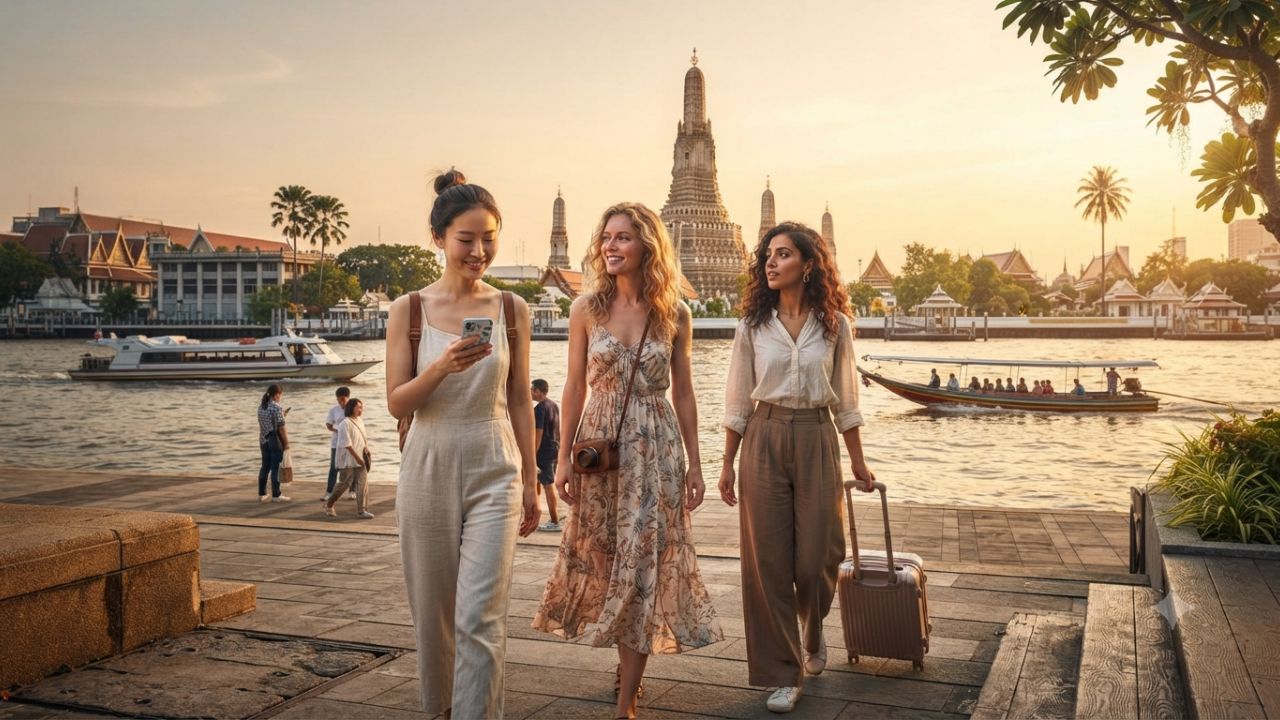
Thailand Updates Visa-Free Entry to 30 Days: A Complete Southeast Asia Travel & Policy Guide
Finnish Immigration Service Issues Guidance on 100-Day D Visa Applications for Five International Applicant Groups