
United Airlines Unveils First A321neo Coastliners in Major Fleet Modernization Push
Breaking airline news and aviation industry updates for 2026.

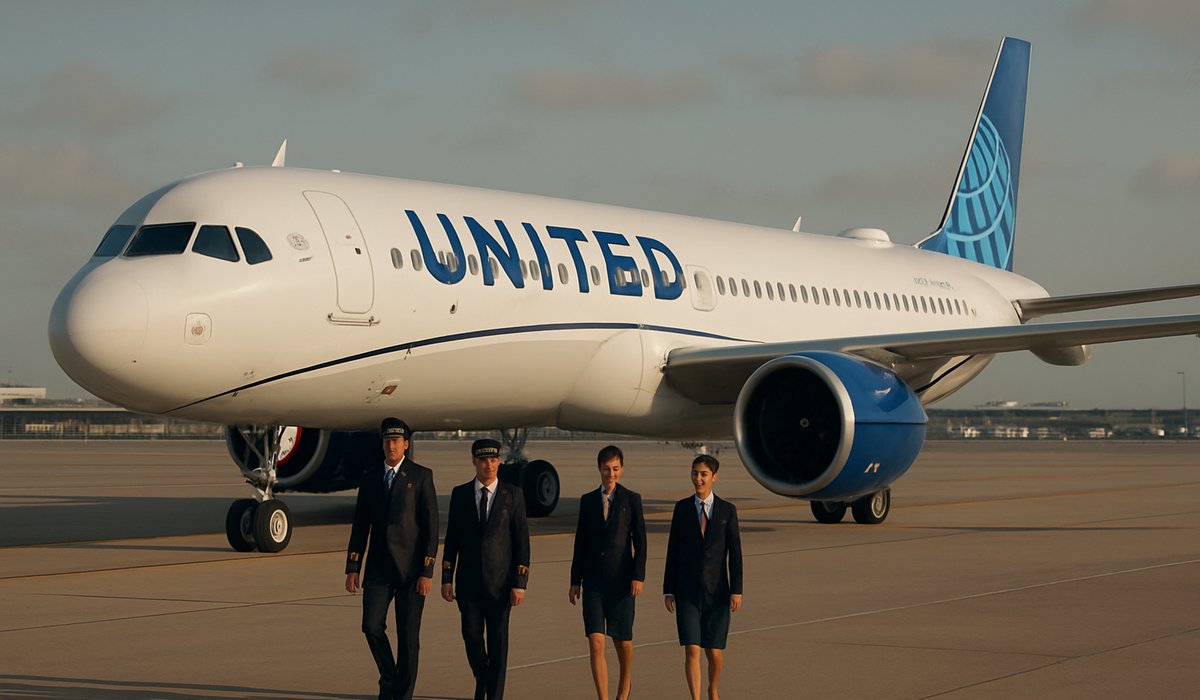
Image generated by AI
United Airlines Unveils First A321neo Coastliners in Major Fleet Modernization Push
Iconic carrier reveals newly painted regional jets as part of ambitious $50 billion aircraft acquisition strategy
New Aircraft Livery Signals Major Operational Shift
United Airlines has officially showcased its first pair of Airbus A321neo Coastliner aircraft in full production livery, marking a significant milestone in what aviation analysts are calling one of the most aggressive fleet renewal programs in commercial aviation history. Images shared by aviation enthusiast Tobias Gudat on social media platforms this week provide the first public glimpse of the redesigned jets, which feature distinctive branding that sets them apart from the carrier's traditional long-haul fleet.
The aircraft rollout underscores United's commitment to phasing in next-generation regional capacity across its North American network, a strategic pivot that comes as the aviation industry grapples with persistent fuel cost pressures and evolving consumer demand for point-to-point connectivity.
A Blueprint for Industry-Wide Modernization
United's expansion initiative encompasses 250 aircraft across multiple categories—from regional turboprops to wide-body international jets—representing the largest active fleet growth commitment currently held by any global airline operator. The Coastliner sub-designation indicates these A321neo variants will serve mid-range domestic and transcontinental routes, filling a critical operational gap between regional carriers and long-haul international equipment.
The A321neo platform offers operators approximately 25 percent better fuel efficiency compared to legacy narrow-body fleets, directly addressing one of aviation's most pressing financial challenges. With jet fuel prices remaining volatile amid geopolitical tensions and supply chain disruptions, fuel consumption reduction has become a central driver of airline profitability and competitive positioning.
Strategic Implications for the Industry
This modernization wave carries broader implications for the aviation sector. As United transitions to fuel-efficient aircraft, competitors including American Airlines, Delta Air Lines, and Southwest Airlines face mounting pressure to accelerate their own fleet renewal timelines. Industry observers note that carriers operating older narrow-body equipment face structural disadvantages in pricing power and margin sustainability.
The Coastliner deployment also addresses capacity constraints on high-demand domestic corridors, potentially allowing United to expand service frequency without proportional increases in operating costs. This efficiency advantage could translate to competitive pricing strategies on competitive routes, ultimately benefiting price-sensitive consumers while maintaining airline profitability.
United's $50 billion investment in new aircraft procurement reflects confidence in long-term travel demand recovery and signals that major carriers are moving beyond pandemic-era survival mode toward aggressive growth positioning.
FAQ: United Airlines Fleet Modernization & Aviation Industry Changes
Q: How does the A321neo reduce airline operating costs? A: The A321neo delivers approximately 25% better fuel efficiency than legacy aircraft, directly lowering jet fuel expenses—typically an airline's second-largest cost category after labor.
Q: What are "Coastliner" aircraft and who flies them? A: Coastliners are A321neo variants operated on mid-range domestic and transcontinental routes. United uses this designation to distinguish regional-focused narrow-body equipment from traditional long-haul fleets.
Q: How does United's fleet expansion compare to competitors? A: United's 250-aircraft acquisition is currently the largest active fleet growth program in commercial aviation, outpacing competitors like American and Delta in sheer order volume and investment commitment.
Q: Will new aircraft affect baggage fees and airline pricing? A: While fuel-efficient aircraft reduce operating costs, major carriers typically maintain competitive baggage and ancillary fee structures regardless of fleet age, so direct consumer pricing relief may be limited.
Q: When will passengers see these new aircraft in service? A: United will deploy the Coastliner fleet throughout 2024 and beyond, with aircraft entering service as manufacturing and delivery timelines progress at Airbus facilities.
Related Travel Guides
- Aviation Updates: Massive $23 Billion Military Airspace Shock Triggers Terrifying Global Travel Chaos Across UK, Germany, and India
- Breaking Airline News: American Airlines Forges Massive Domestic Expansion to Aggressively Bypass Terrifying US Travel Chaos
- Flight delays hide $18 billion annual cost as 2026 bookings surge
Disclaimer
This article is for informational and educational purposes only. It does not constitute legal, financial, or professional advice. While we strive to provide accurate and up-to-date information, travel policies, regulations, and conditions change rapidly. Always verify information with official sources before making travel decisions. Nomad Lawyer makes no representations about the accuracy, reliability, completeness, or suitability of the information provided. Readers should consult qualified professionals for advice specific to their circumstances. The views expressed in this article are those of the author and do not necessarily reflect the views of Nomad Lawyer.
Kunal K Choudhary
Co-Founder & Contributor
A passionate traveller and tech enthusiast. Kunal contributes to the vision and growth of Nomad Lawyer, bringing fresh perspectives and driving the community forward.
Learn more about our team →