
SpiceJet Kochi to UAE Flight Disruptions: Passengers Stranded on Dubai and Fujairah Routes 2026
Repeated cancellations and conflicting weather reports on SpiceJet's Kochi to Dubai and Fujairah routes have left hundreds of Gulf-bound passengers stranded.

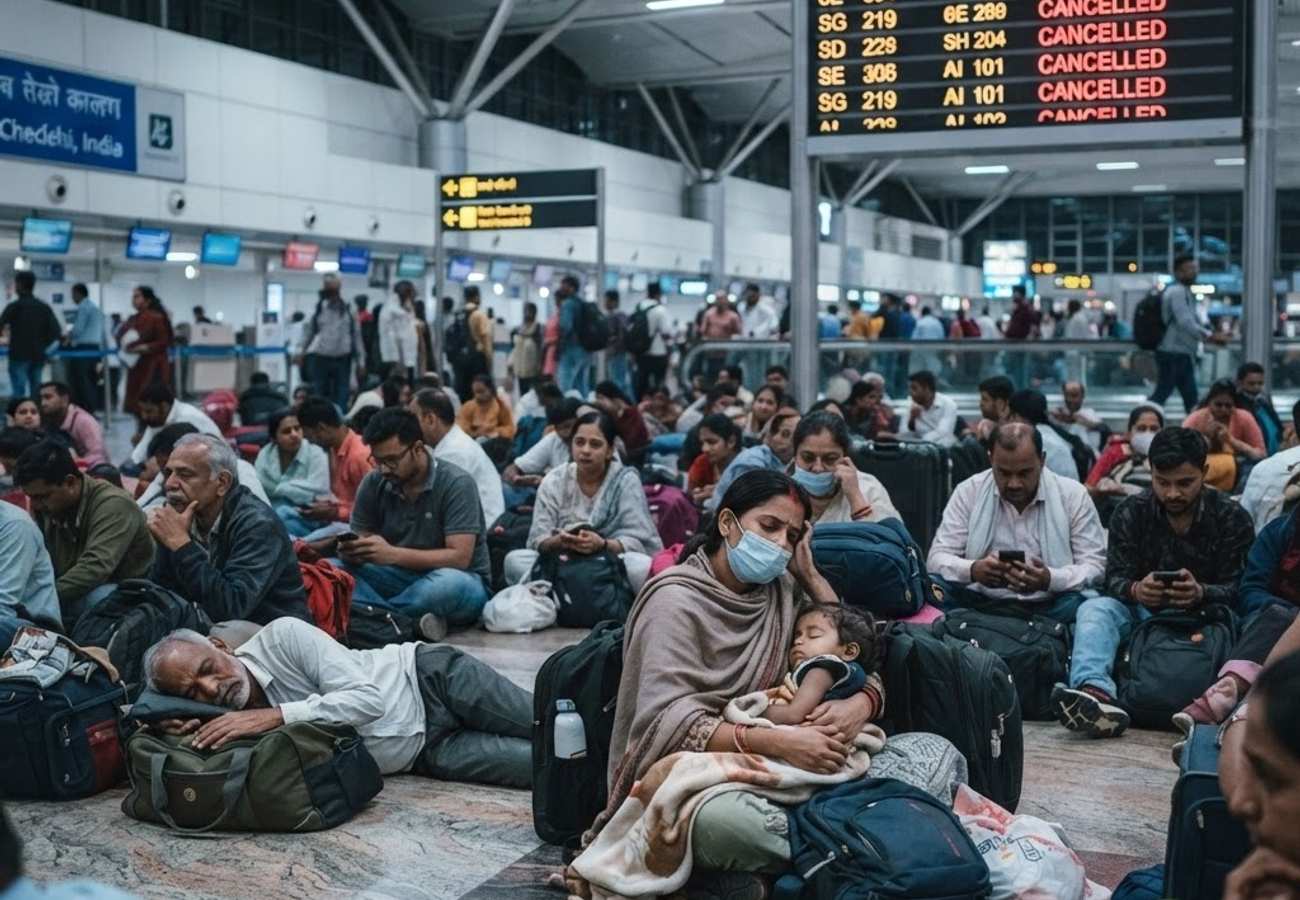
Image generated by AI
Operational instability on SpiceJet’s Kochi-based international services has resulted in systemic cancellations and prolonged delays. Gulf-bound travelers are currently facing significant financial and professional risks due to unreliable scheduling.
Operational Collapse on Kochi–UAE Corridors
Reports from late August 2026 indicate a severe breakdown in SpiceJet’s international operations departing from Cochin International Airport (CIAL). The disruptions are concentrated on two primary routes: Kochi to Fujairah and Kochi to Dubai.
Passengers have reported a pattern of "rolling delays," where flights are postponed multiple times over several hours before being cancelled entirely. This instability has disproportionately affected the Kochi–Fujairah service, which has seen successive days of cancellations, often communicated to passengers only after they have arrived at the terminal.
The Kochi–Dubai route has experienced similar volatility, with inbound and outbound delays causing significant congestion within the airport facilities. Given that SpiceJet operates a limited number of international flights from this hub, these interruptions have created a critical bottleneck for low-cost travel to the UAE.
Conflicting Data on Weather-Related Delays
A significant point of contention has emerged regarding the cause of these disruptions. SpiceJet has officially cited adverse weather conditions as the primary driver for the cancellations.
However, operational data from Cochin International Airport Limited (CIAL) contradicts these claims. Our analysis of airport reports indicates that:
- Runway conditions remained within normal operating parameters.
- Visibility levels did not drop below standard safety thresholds.
- Other carriers operating from CIAL did not report similar weather-induced systemic failures.
This discrepancy suggests that the disruptions may be rooted in internal operational or fleet issues rather than external meteorological factors.
Impact on Migrant Workers and Travelers
The disruptions have caused severe hardship for migrant workers and families who rely on these specific low-cost corridors for employment and family commitments in the UAE.
The human impact includes:
- Financial Loss: Unpaid workdays for laborers unable to reach the UAE on schedule.
- Emergency Costs: Passengers forced to purchase last-minute tickets on competing carriers at significantly inflated fares.
- Terminal Hardship: Reports of families and children spending overnight in the departures area due to a lack of immediate alternatives.
Passenger Rights & Advisory
For passengers affected by these disruptions, the lack of clear communication from the airline complicates the process of seeking redress. Based on aviation consumer standards and Indian DGCA guidelines, affected travelers should take the following actions:
Immediate Rebooking and Refunds For the affected passenger, this means they are entitled to a full refund or an alternative flight at no additional cost if the cancellation is deemed the airline's fault. If the airline fails to provide a timely alternative, passengers should document the refusal in writing.
Expense Recovery Our analysis of passenger rights suggests that travelers should maintain a strict paper trail. Keep all receipts for:
- Hotel accommodation incurred due to overnight delays.
- Meals and refreshments provided during terminal waits.
- Transportation costs to and from the airport for rescheduled flights.
Verification Protocols Cochin International Airport has issued a formal advisory urging all SpiceJet passengers to verify their flight status via the airline's digital channels before departing for the airport. Relying on original booking confirmations is currently insufficient.
The instability at Kochi is not an isolated incident but appears to be part of a broader trend of operational fragility. SpiceJet has been under increased regulatory scrutiny and financial pressure, which often manifests as "schedule thinning" or the sudden cancellation of low-yield routes.
The mismatch between the airline's "weather" claims and CIAL's operational data is a red flag for regulators. When an airline consistently cites Force Majeure (weather) to avoid paying compensation or providing duty-of-care, it typically triggers an audit by national aviation authorities.
Operational instability in high-demand corridors like Kerala–UAE suggests a systemic failure in fleet management rather than temporary weather disruptions.
Related Travel Guides
Disclaimer
This article is for informational and educational purposes only. It does not constitute legal, financial, or professional advice. While we strive to provide accurate and up-to-date information, travel policies, regulations, and conditions change rapidly. Always verify information with official sources before making travel decisions. Nomad Lawyer makes no representations about the accuracy, reliability, completeness, or suitability of the information provided. Readers should consult qualified professionals for advice specific to their circumstances. The views expressed in this article are those of the author and do not necessarily reflect the views of Nomad Lawyer.
Preeti Gunjan
Contributor & Community Manager
A passionate traveller and community builder. Preeti helps grow the Nomad Lawyer community, fostering engagement and bringing the reader experience to life.
Learn more about our team →