
US Gas Prices Reshape Road Trip Tourism as Fuel Costs Remain High
US road trip tourism adapts as regular gasoline averages $4.09 per gallon, shifting travel demand toward regional drives and states like Texas and Indiana.

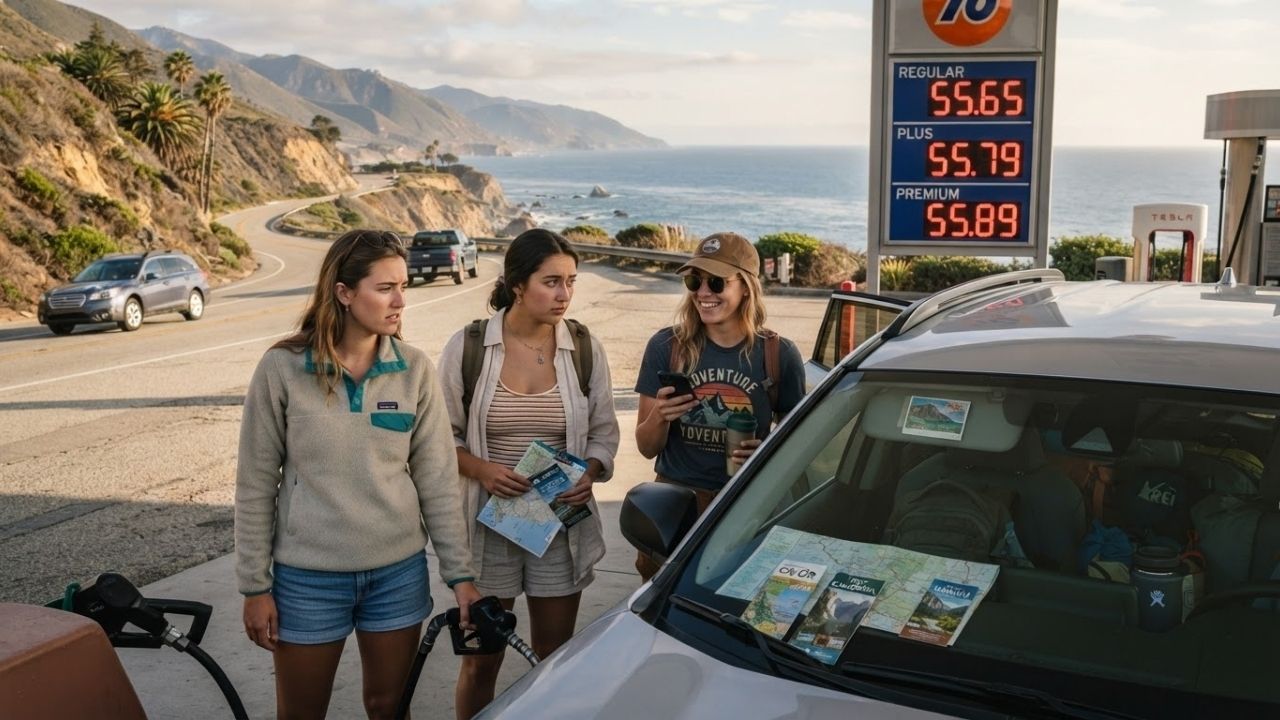
Image generated by AI
US road trip tourism is experiencing a selective shift in passenger behavior as regular gasoline prices remain high but stable, with the national average holding at $4.09 per gallon. While leisure travel spending remains resilient, elevated fuel costs are prompting travelers to choose shorter-duration regional drives, impacting states with high fuel prices like California, Hawaii, and Washington.
The Local Trend Revealed
High fuel costs at the pump are reshaping travel budgets, encouraging drivers to reduce travel distances and spend more time at single destinations rather than planning multi-state itineraries. Monitored by the American Automobile Association (AAA), the U.S. Department of Energy, and the U.S. Travel Association, this domestic tourism shift introduces distinct regional pressure profiles:
- The Fuel Cost Equation: The regular gasoline national average holds steady at $4.09 per gallon, while crude oil trades around the $80-per-barrel range amid continued Strait of Hormuz volatility. EV public charging averages remain unchanged at 42 cents per kilowatt hour.
- Western States Under Pressure: California records the highest average pump price at $5.65 a gallon, followed by Hawaii at $5.43, Washington at $5.27, Alaska at $4.83, Nevada at $4.81, Oregon at $4.77, Idaho at $4.57, and Arizona at $4.54.
- Favorable Southern and Midwestern Corridors: Indiana offers the lowest average price at $3.44 per gallon. Favorable road-trip states include Texas at $3.63, Mississippi at $3.65, South Carolina at $3.67, Louisiana and Tennessee at $3.69, Alabama at $3.71, and Arkansas at $3.72.
- Tourism Spending Forecasts: The U.S. Travel Association projects domestic leisure spending to rise 0.9 percent to $909 billion in 2026, within a total travel spending forecast of $1.37 trillion (including $1.20 trillion from domestic travelers).
Local Community & Environmental Value
For the traveler, the real benefit of choosing localized travel is supporting host communities. Purchasing fresh produce at regional farmers' markets or dining at family-run diners along historic state routes rather than national fast-food franchises ensures that holiday spending directly benefits resident families.
Environmental protection is advanced by deploying fuel-efficient vehicles. Choosing hybrid or electric rental cars significantly lowers travel carbon emissions. On the ground, utilizing regional public transit networks (such as the BART in San Francisco or urban rail systems in the Northeast) reduces vehicle congestion, protecting delicate environmental ecosystems.
Visitor Insider Tips for Managing Road Trip Budgets
Travel and transit specialists recommend the following practices when planning road travel:
- Avoid Airport Fuel Markups: When renting a car, bypass the rental agency's prepaid fuel options. It is almost always cheaper to fill up the tank yourself at local stations outside airport property before returning the vehicle.
- Observe the Off-Peak Window: Plan road trips during the shoulder seasons of September to October or April to May. You will secure lower lodging rates, experience comfortable driving temperatures (12°C to 22°C), and avoid the heavy summer family road-trip crowds.
- Sample Regional Culinary Specialties:
- In California: Try a fresh Avocado Toast or a sourdough bread bowl filled with warm clam chowder.
- In Texas: Taste slow-smoked Beef Brisket served with pickles at a local barbecue shack.
- Observe National Park Etiquette: Respect the "Leave No Trace" principles by packing out all trash and keeping a safe distance from wildlife. Tip restaurant servers 18 to 20 percent of the pre-tax bill, and hotel valets $5.
- Explore Under-the-Radar Routes: Skip the busy coastal Highway 1 sections and drive the scenic Volcanic Legacy Scenic Byway linking California and Oregon. Explore its volcanic viewpoints, lava beds, and national forest roads away from tourist crowds.
- Compare EV and Fuel Costs: If renting an electric vehicle, compare the public charging rate of 42 cents per kWh against local gasoline averages to calculate the best value for your route.
Tourism Outlook
The long-term impact of elevated fuel costs is the regionalization of the domestic tourism market. While total travel spending is expected to remain positive throughout 2026, destinations in high-cost states like California and Washington must emphasize value-led regional marketing, local experiences, and longer-stay packages to capture price-sensitive travelers who choose shorter driving distances.
FAQ: US Fuel Prices and Tourism
What is the current US national average for regular gasoline? According to AAA, the regular gasoline national average is approximately $4.09 per gallon, while crude oil trades around $80 per barrel.
Which US states have the highest regular gasoline prices? California has the highest average at approximately $5.65 per gallon, followed by Hawaii at $5.43 and Washington at $5.27.
Which state offers the cheapest regular gasoline? Indiana offers the lowest average regular gasoline price in the country at approximately $3.44 per gallon.
What is the average cost of public EV charging? The national average cost of electricity at public EV charging stations is steady at 42 cents per kilowatt hour.
Related Travel Guides
Disclaimer
This article is for informational and educational purposes only. It does not constitute legal, financial, or professional advice. While we strive to provide accurate and up-to-date information, travel policies, regulations, and conditions change rapidly. Always verify information with official sources before making travel decisions. Nomad Lawyer makes no representations about the accuracy, reliability, completeness, or suitability of the information provided. Readers should consult qualified professionals for advice specific to their circumstances. The views expressed in this article are those of the author and do not necessarily reflect the views of Nomad Lawyer.
Raushan Kumar
Founder & Lead Developer
Full-stack developer with 11+ years of experience and a passionate traveller. Raushan built Nomad Lawyer from the ground up with a vision to create the best travel and law experience on the web.
Learn more about our team →