
SpiceJet Flight SG-51 Pune to Dubai Delayed 9 Hours: Operational Reliability Concerns in 2026
Over 100 passengers faced a nine-hour overnight delay on SpiceJet flight SG-51 from Pune to Dubai, raising critical questions regarding DGCA compliance and operational stability.

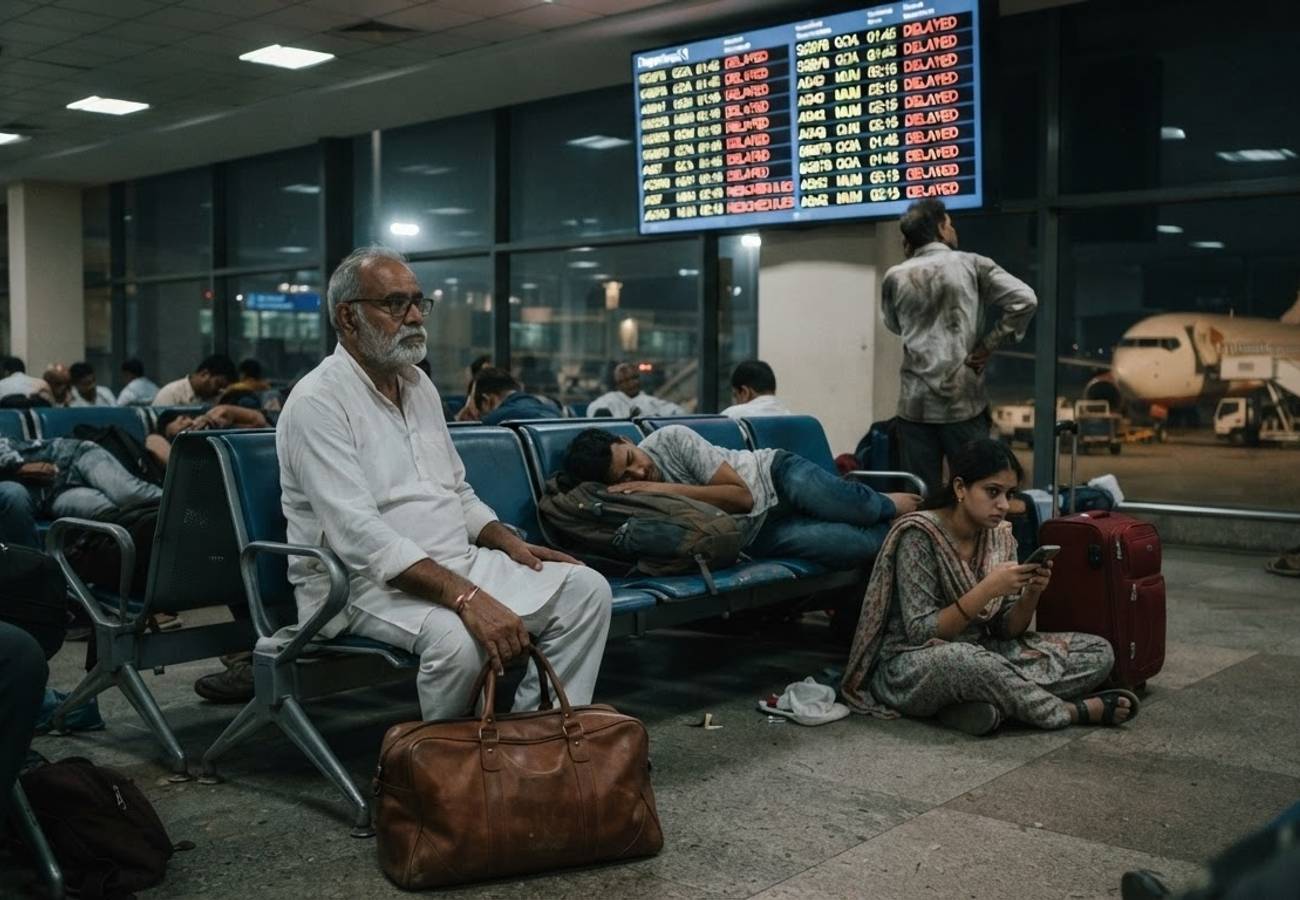
Image generated by AI
Over 100 passengers were stranded overnight at Pune Airport after SpiceJet flight SG-51 to Dubai suffered a nine-hour delay, sparking renewed scrutiny of the carrier's operational reliability and adherence to DGCA passenger protection mandates.
Operational Breakdown: Pune to Dubai Disruption
On Wednesday, August 12, 2026, SpiceJet flight SG-51, scheduled to depart Pune for Dubai at 9:00 PM, failed to take off as planned. Passengers remained at the terminal until approximately 6:00 AM on Thursday, August 13, resulting in a total delay of nine hours. The aircraft eventually landed in Dubai at 6:36 AM, missing its scheduled arrival of 10:55 PM the previous evening by nearly eight hours.
Reports from the ground indicate that passengers were subjected to repeated hourly revisions of the departure time. Furthermore, travelers alleged that the airline failed to provide required refreshments during the overnight wait. This incident follows a separate disruption involving flight SG939 (Delhi to Pune), which departed at 5:00 PM on Wednesday but did not reach Pune until after 10:00 PM.
Flight Disruption Data Summary
| Flight | Route | Scheduled Departure | Actual Departure | Total Disruption |
|---|---|---|---|---|
| SG-51 | Pune $\rightarrow$ Dubai | 9:00 PM, Aug 12 | 6:00 AM, Aug 13 | ~9 Hours |
| SG-51 | Arrival (Dubai) | 10:55 PM, Aug 12 | 6:36 AM, Aug 13 | ~8 Hours Late |
| SG939 | Delhi $\rightarrow$ Pune | 5:00 PM, Aug 13 | After 10:00 PM | >5 Hours |
Regulatory Framework and Passenger Rights
The Directorate General of Civil Aviation (DGCA) maintains strict Civil Aviation Requirements (CAR) regarding passenger facilities during delays. For international services like the Pune-Dubai route, the obligation to provide meals and refreshments is triggered based on the flight's block time.
DGCA Facility Requirements
| Delay Scenario | Regulatory Provision/Requirement |
|---|---|
| Flight < 2.5 hrs block time | Meals/refreshments if delayed $\ge$ 2 hours |
| Flight 2.5–5 hrs block time | Meals/refreshments if delayed $\ge$ 3 hours |
| Flight > 5 hrs block time | Meals/refreshments if delayed $\ge$ 4 hours |
| Domestic delay > 6 hours | Alternate flight within 6 hours or full refund |
| Delay > 24 hours | Hotel accommodation provisions apply |
| 8 PM – 3 AM flight delayed > 6 hrs | Hotel accommodation provisions apply |
| Unresolved grievances | Escalation via AirSewa portal |
While airlines may be exempt from certain obligations due to "extraordinary circumstances" (weather, ATC, or security), the carrier must prove that reasonable measures were taken to prevent the delay. In the case of SG-51, the overnight nature of the delay (starting at 9:00 PM and exceeding six hours) potentially triggers the hotel accommodation mandate under DGCA guidelines.
Traveler Logistics Guide: Navigating Major Delays
From a ground-level perspective, the best way to navigate prolonged disruptions in Indian airports is to establish a digital paper trail immediately.
- Document the Timeline: Take screenshots of every revised departure notification received via SMS or email. The DGCA places the burden of proof on the airline to show when passengers were informed; having your own logs is essential for compensation claims.
- Request Written Vouchers: If meals are not provided, keep all receipts for food and water purchased at the airport. These are required for reimbursement requests.
- Manage Onward Connections: For those using Dubai as a hub, avoid "self-transfer" tickets (separate bookings) when flying with carriers showing reliability trends. Always allow a minimum of 6–8 hours for international connections if the incoming flight is not on the same PNR.
- Escalation Path: If airport staff are unresponsive, lodge a formal complaint through the AirSewa portal immediately. This creates an official government record of the incident.
Infrastructure and Recovery Assessment
This disruption occurs amidst SpiceJet's aggressive capacity expansion. According to the airline's February 2026 investor presentation, the carrier aims for an operational fleet of 60 aircraft by the October-December 2026 period.
SpiceJet Recovery Metrics (Q3 FY26)
| Metric | Reported Figure |
|---|---|
| Total Passengers | 1.9 Million |
| Passenger Load Factor | 90% |
| Revenue from Operations | ₹1,384 Crore |
| Capacity Growth | 56% (Quarter-on-Quarter) |
| Market Share (Dec 2025) | 4.3% (up from 1.9% in Sept 2025) |
While the 56% capacity growth and 90% load factor indicate strong market demand, the recurring delays suggest a gap between fleet expansion and operational resilience. The reliance on wet-lease and damp-lease arrangements to support over 300 daily flights may be creating bottlenecks in crew scheduling and maintenance, leading to the "cascading" delays seen in the Pune and Delhi sectors.
Operational growth is meaningless if the schedule cannot be sustained.
Related Travel Guides
Disclaimer
This article is for informational and educational purposes only. It does not constitute legal, financial, or professional advice. While we strive to provide accurate and up-to-date information, travel policies, regulations, and conditions change rapidly. Always verify information with official sources before making travel decisions. Nomad Lawyer makes no representations about the accuracy, reliability, completeness, or suitability of the information provided. Readers should consult qualified professionals for advice specific to their circumstances. The views expressed in this article are those of the author and do not necessarily reflect the views of Nomad Lawyer.
Preeti Gunjan
Contributor & Community Manager
A passionate traveller and community builder. Preeti helps grow the Nomad Lawyer community, fostering engagement and bringing the reader experience to life.
Learn more about our team →