
LaGuardia Crash Investigators Examine Controller Absence Before Air Canada Collision
Federal investigators probe whether an air traffic controller at LaGuardia stepped away from console moments before Air Canada Express struck fire truck in 2026, killing both pilots and injuring dozens.

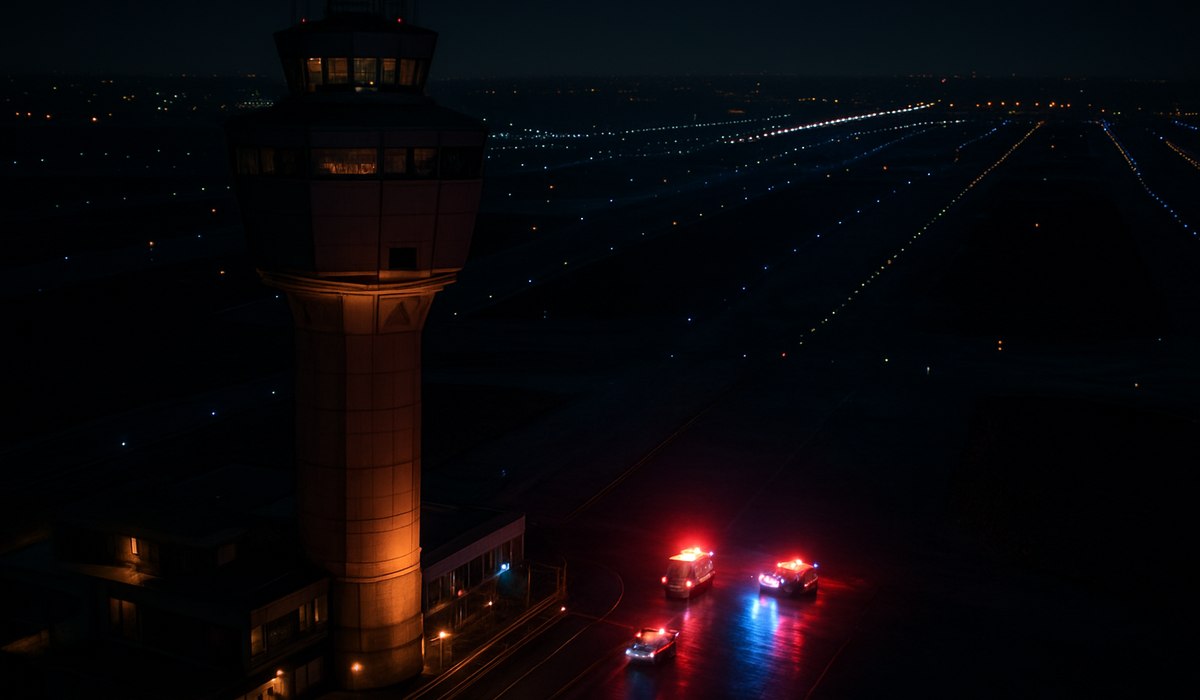
Image generated by AI
Critical Safety Incident at New York's LaGuardia Airport
Federal investigators are intensifying their examination into whether a LaGuardia Airport air traffic controller abandoned his control console during the overnight shift immediately preceding a catastrophic collision between an Air Canada Express regional jet and a Port Authority fire truck. The tragic April 2026 incident resulted in the deaths of both pilots aboard the aircraft and injured dozens of personnel on the ground. The National Transportation Safety Board (NTSB) has begun focusing on the precise moment the controller may have stepped away to use an emergency phone, raising serious questions about runway safety protocols and staffing adequacy at one of the busiest airports in the United States.
Controller Absence Under Investigation
LaGuardia crash investigators are carefully reconstructing the timeline of events during the overnight hours when the incident occurred. According to preliminary findings, the air traffic controller on duty may have momentarily vacated his console to utilize an emergency communication device—commonly referred to as a "crash phone"—used only when urgent situations demand immediate contact with supervisory personnel. This critical window of absence has become the focal point of the investigation, as investigators determine whether proper procedures were followed and whether adequate backup systems existed to maintain safe separation between aircraft and ground vehicles.
The Federal Aviation Administration (FAA) has launched a comprehensive review of control tower staffing protocols at LaGuardia and similar high-traffic facilities nationwide. Investigators are examining whether the controller had authorization to leave his post, whether protocols mandated an alternative monitor during such absences, and whether communication systems prevented or contributed to the confusion that preceded the collision. This incident has reignited longstanding debates about controller fatigue, minimum staffing requirements, and the adequacy of safety redundancies at major metropolitan airports.
For real-time flight tracking and runway status information during such incidents, travelers can access FlightAware for transparent operational updates.
Sequence of Events Leading to Collision
The overnight accident unfolded rapidly once the controller stepped away from his console. An Air Canada Express regional aircraft was conducting ground operations when the collision with the Port Authority fire truck occurred. The precise positioning of both vehicles—the jet and the emergency response vehicle—indicates that standard clearance protocols may have broken down during the critical moments when the control console lacked active monitoring.
Radar data and aircraft transponder records are being analyzed to determine whether the jet was cleared to cross the runway, whether the fire truck was operating in an authorized emergency capacity, and what communications (if any) occurred between the control tower and ground personnel during the minutes before impact. Investigators are also examining whether any audible warnings or proximity alerts within the control tower would have alerted the controller or backup personnel to the developing hazard.
The NTSB is working with the FAA to understand the complete operational picture, including whether the "crash phone" call that prompted the controller to leave his console was genuinely time-critical or whether alternative procedures could have prevented the absence. This sequence reconstruction will form the foundation for safety recommendations aimed at preventing similar incidents.
Injuries and Fatalities
The collision resulted in two confirmed fatalities: both pilots aboard the Air Canada Express jet were killed in the impact. Additionally, dozens of ground personnel, airport workers, and emergency responders sustained injuries ranging from moderate to severe. The Port Authority fire truck crew was among those seriously injured in the incident, raising questions about emergency vehicle positioning and runway access protocols during active flight operations.
Medical facilities across the New York metropolitan area mobilized to treat the injured. The incident has prompted a broader review of emergency response procedures at LaGuardia, including protocols for fire truck positioning, clearance procedures for emergency vehicles operating on active runways, and coordination between ground operations and the control tower.
Air Traffic Control Procedures at Stake
This incident has placed intense scrutiny on standard air traffic control procedures, particularly regarding console coverage, break protocols, and backup monitoring systems. The position of air traffic controller is among the most safety-critical roles in aviation, requiring continuous attention and rapid decision-making during active operations. The question of whether a controller should ever step away from an actively-monitored console during operational hours has become central to the investigation.
Current FAA regulations specify minimum staffing for control towers based on airport classification and traffic volume. LaGuardia, as a major metropolitan airport, operates under specific staffing mandates. Investigators are examining whether those mandates were met on the night of the incident and whether additional safeguards—such as mandatory two-person console coverage during peak periods or technology-based monitoring systems—should be implemented.
The investigation may result in significant changes to how the FAA manages controller fatigue, break schedules, and emergency communication procedures at busy airports nationwide. Industry experts anticipate recommendations that balance controller wellbeing with the non-negotiable requirement for continuous, attentive runway monitoring.
Visit the FAA's official safety resources for comprehensive information about air traffic control standards and ongoing safety initiatives.
LaGuardia Crash Investigators: Key Data Summary
| Data Point | Details |
|---|---|
| Airport | LaGuardia Airport (LGA), Queens, New York |
| Airline Involved | Air Canada Express Regional Service |
| Aircraft Type | Regional jet (specific model under investigation) |
| Collision Partner | Port Authority Fire Truck |
| Fatalities | 2 pilots aboard aircraft |
| Injuries | Dozens of ground personnel and emergency responders |
| Incident Date | April 2026 |
| Investigation Agency | National Transportation Safety Board (NTSB) |
| Critical Issue | Controller console absence moments before collision |
| Primary Focus | Emergency communication protocol timing |
What This Means for Travelers
If you have upcoming flights through LaGuardia or are monitoring this situation, here are essential steps to take:
-
Check Your Flight Status: Visit FlightAware or your airline's website for real-time runway closure information and potential delays. LaGuardia operations may be affected during investigation activities and runway assessments.
-
Contact Your Airline Directly: Reach out to Air Canada or your booked carrier to confirm your flight schedule. Ask specifically about any operational changes or gate reassignments resulting from the incident investigation.
-
Understand Your Passenger Rights: Review regulations on the U.S. Department of Transportation Consumer Protections page to understand compensation eligibility if your flight is cancelled or significantly delayed due to this incident.
-
Allow Extra Travel Time: When booking connections through LaGuardia, add substantial buffer time. Control tower investigations can cause temporary operational restrictions that ripple across the entire day's schedule.
-
Document Everything: Retain confirmation numbers, booking references, and communication records with your airline. This documentation supports any claims for delay compensation or rebooking assistance.
-
Monitor NTSB Updates: Visit the official NTSB website for safety investigation findings and any interim recommendations that might affect airport operations or flight routing.
Frequently Asked Questions
Will LaGuardia remain open during the investigation?
LaGuardia Airport remains operational with modified procedures. While the investigation continues, the airport implements enhanced safety protocols and may experience temporary runway restrictions. Operations have not been halted, but delays are likely as the NTSB conducts interviews and examines systems. Check with your airline for current schedule information.
How long will the LaGuardia crash investigators need to complete their work?
NTSB investigations typically require 12-24 months for a comprehensive final report. However, preliminary findings addressing critical safety issues may emerge within weeks. The agency prioritizes swift release of safety recommendations to prevent similar incidents while maintaining investigation integrity.
What happens if my flight is cancelled due to this incident?
Under DOT regulations, airlines must offer rebooking on the next available flight at no additional charge, or provide a full refund. Document all communications with the airline. If delays exceed three hours on domestic flights, you may qualify for
Disclaimer
This article is for informational and educational purposes only. It does not constitute legal, financial, or professional advice. While we strive to provide accurate and up-to-date information, travel policies, regulations, and conditions change rapidly. Always verify information with official sources before making travel decisions. Nomad Lawyer makes no representations about the accuracy, reliability, completeness, or suitability of the information provided. Readers should consult qualified professionals for advice specific to their circumstances. The views expressed in this article are those of the author and do not necessarily reflect the views of Nomad Lawyer.
Raushan Kumar
Founder & Lead Developer
Full-stack developer with 11+ years of experience and a passionate traveller. Raushan built Nomad Lawyer from the ground up with a vision to create the best travel and law experience on the web.
Learn more about our team →