
Southwest Airlines Flight WN1441 Diverts to Tampa After Departing Washington
A routine domestic journey from Washington D.C. to Orlando was interrupted on June 27, 2026, when Southwest Airlines Fli

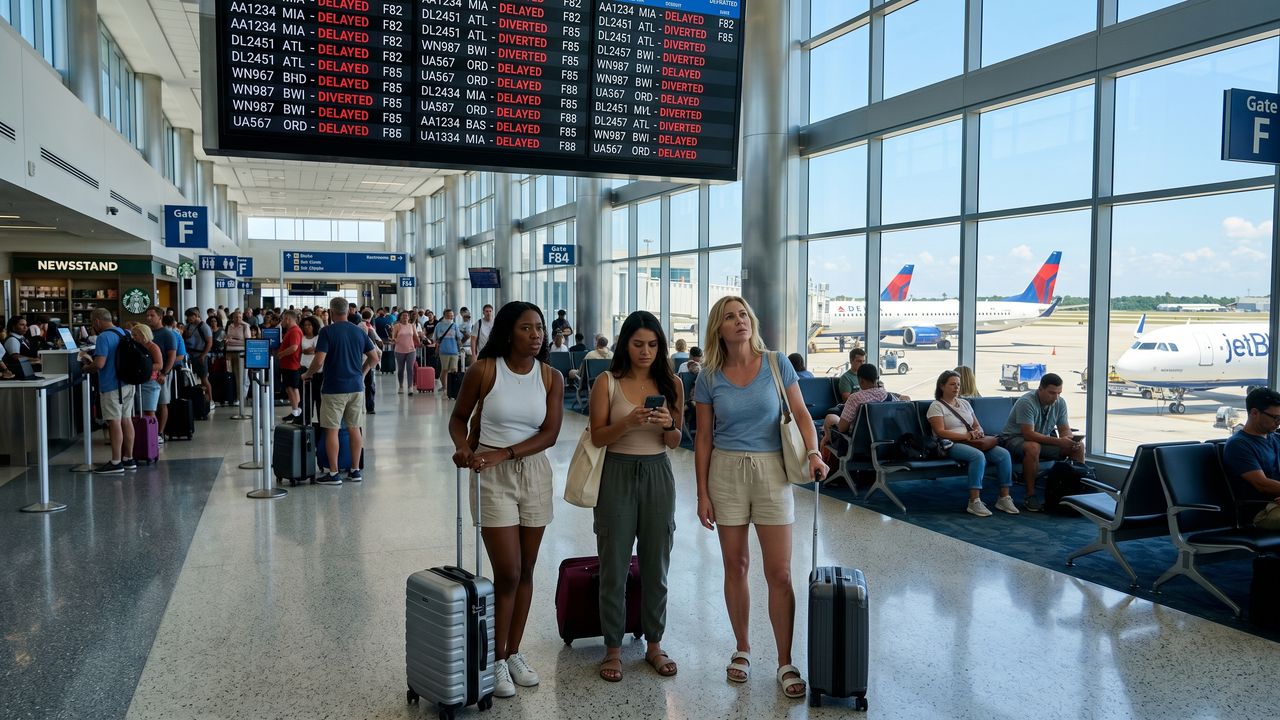
Image generated by AI
Operational Shift Forces Diversion to Tampa
Southwest Airlines Flight WN1441, traveling from Ronald Reagan Washington National Airport to Orlando International Airport, was forced to divert to Tampa International Airport on June 27, 2026. While the aircraft landed safely, the change in destination disrupted the scheduled arrival for passengers bound for Central Florida.
Flight tracking data indicates that the aircraft departed Washington later than scheduled. During the flight, the crew opted to alter the course, leading to a landing in Tampa instead of the intended Orlando destination.
As of the latest updates, Southwest Airlines has not released an official statement regarding the specific cause of the diversion. No alerts or explanations have been issued by the Federal Aviation Administration (FAA) or local airport authorities.
Aircraft and Flight Specifics
The flight was operated using a Boeing 737 MAX 8, registered as N8992L. This aircraft is part of Southwest's core domestic fleet, which manages one of the highest-volume flight networks in the United States.
Despite the lack of an official cause, diversions are common safety protocols in commercial aviation. Potential triggers typically include:
- Unforeseen technical indications.
- Rapidly changing weather patterns.
- Onboard medical emergencies.
- Air traffic management restrictions or airport congestion.
Impact on Passengers and Network Logistics
The diversion to Tampa created immediate logistical challenges for passengers, who were required to find alternative transport or wait for airline-coordinated transfers to reach Orlando.
Such operational shifts often ripple through a network, affecting:
- Connecting Flights: Passengers with tight connections in Orlando may have missed subsequent legs of their journey.
- Baggage Handling: Luggage must be offloaded and rerouted from Tampa to the final destination.
- Ground Transport: Travelers had to coordinate new ground transportation in a city different from their original booking.
Safety Protocols and Review Process
In the aviation industry, a diversion is viewed as a proactive safety measure. Flight crews are trained to prioritize the safest available landing site over the scheduled destination if any operational risk is identified.
Following an event like this, airlines typically perform an internal review. This process involves analyzing flight data and interviewing the crew and maintenance teams to ensure all safety procedures were followed. There is currently no evidence that a formal federal investigation has been launched.
Flight Summary Data
| Flight Detail | Information |
|---|---|
| Flight Number | WN1441 |
| Date | June 27, 2026 |
| Departure Point | Ronald Reagan Washington National Airport |
| Intended Destination | Orlando International Airport |
| Diversion Airport | Tampa International Airport |
| Aircraft Type | Boeing 737 MAX 8 |
| Aircraft Registration | N8992L |
| Current Status | Diverted / Landed Safely |
Key Takeaways
- Safe Landing: Flight WN1441 landed safely in Tampa after diverting from its Orlando route.
- No Official Cause: Neither Southwest Airlines nor the FAA has confirmed the reason for the diversion.
- Operational Delay: The flight had already experienced a departure delay in Washington before the diversion occurred.
- Standard Procedure: Diversions are standard safety actions and do not automatically indicate a severe emergency.
FAQ
Why did Southwest Flight WN1441 divert to Tampa? The official reason has not been disclosed by Southwest Airlines or the FAA. Common reasons for diversions include weather, technical issues, or medical emergencies.
Was anyone injured during the diversion? There have been no reports of injuries; flight tracking confirms the aircraft landed safely at Tampa International Airport.
What happens to passengers who land in a diversion city? Airlines typically arrange ground transportation or replacement flights to get passengers to their original destination.
Related Travel Guides
Disclaimer
This article is for informational and educational purposes only. It does not constitute legal, financial, or professional advice. While we strive to provide accurate and up-to-date information, travel policies, regulations, and conditions change rapidly. Always verify information with official sources before making travel decisions. Nomad Lawyer makes no representations about the accuracy, reliability, completeness, or suitability of the information provided. Readers should consult qualified professionals for advice specific to their circumstances. The views expressed in this article are those of the author and do not necessarily reflect the views of Nomad Lawyer.
Preeti Gunjan
Contributor & Community Manager
A passionate traveller and community builder. Preeti helps grow the Nomad Lawyer community, fostering engagement and bringing the reader experience to life.
Learn more about our team →