
Southwest Airlines Ships 12.6 Million Gallons of Jet Fuel by Boat
Southwest Airlines ships 12.6 million gallons of jet fuel by boat to bypass pipeline and refinery constraints, protecting flights from supply shocks.

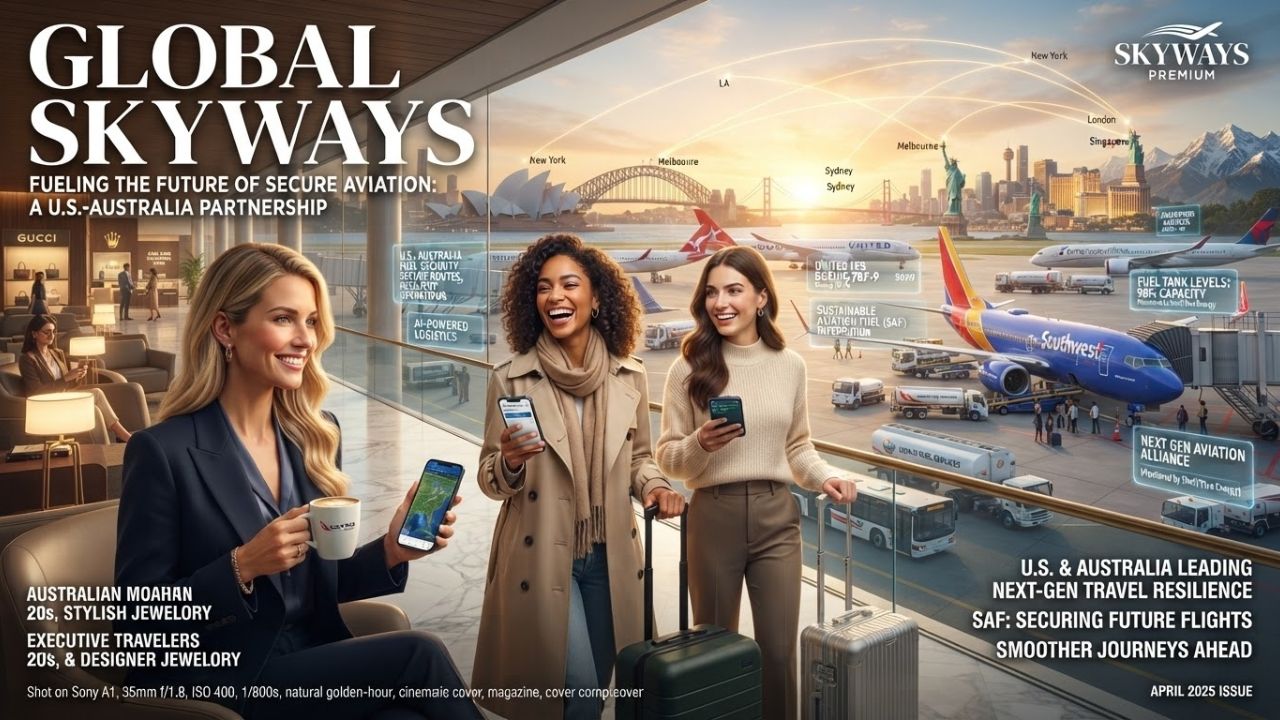
Image generated by AI
Southwest Airlines has shipped 12.6 million gallons of jet fuel by boat to secure its domestic flight operations against pipeline and refinery supply disruptions.
Protecting Flights from Energy Supply Risks
The marine transport initiative highlights the growing operational challenges airlines face in securing fuel infrastructure to keep networks running.
The bulk marine shipment details were published on July 25, 2026.
To protect flight schedules from pipeline bottlenecks and refinery maintenance delays, Southwest Airlines organized the marine transport of 12.6 million gallons of aviation fuel. According to the US Energy Information Administration (EIA), jet fuel consumption remains a major component of petroleum demand, with commercial carriers highly vulnerable to pipeline closures. The shipping initiative targets high-volume tourism hubs in Florida, California, Hawaii, Texas, and Nevada, which are susceptible to weather and grid disruptions.
Fuel Logistics & Regional Infrastructure Parameters
- Logistics Cargo Volume: 12.6 million gallons of commercial jet fuel.
- Primary Transport Mode: Maritime tanker vessels (bypassing standard pipelines).
- Target Vulnerable Hubs: Coastal airports and tourism gateways in Florida, Hawaii, California, Texas, and Nevada.
- Systemic Supply Risks: Pipeline outages, refinery maintenance backlogs, hurricane landfalls, and unexpected travel demand spikes.
- Global Parallel Strategies: Australian carriers utilize alternative supply chains for remote routes; European airlines diversify energy sources; UAE and Qatar airports maintain advanced storage vaults.
Passenger Rights, Fuel Disruptions & DOT Guidelines (Information Gain)
Passengers experiencing flight delays or cancellations due to airport fuel shortages should note these guidelines:
- US DOT Guidelines on Fuel Delays: If a flight is delayed or canceled because an airport runs out of fuel, airlines may categorize the event as a force majeure disruption. However, the carrier is still legally obligated to offer free rebooking on the next available flight or a full refund if the passenger chooses to cancel.
- Voucher Commitments: If a flight is delayed by several hours due to controllable fuel logistics, major US airlines are committed to providing meal vouchers. For overnight disruptions, carriers must provide complimentary lodging and transport.
- Travel Safeguards: To minimize the impact of fuel infrastructure delays, travelers should check airline mobile apps before departure, book flexible tickets, and maintain longer connection windows (at least two hours) during peak holiday seasons.
Industry Analyst View
Our analysis indicates that Southwest Airlines' decision to ship 12.6 million gallons of jet fuel by boat represents a major shift toward energy logistics management within the commercial aviation sector.
Historically, airlines treated fuel delivery as a utility managed by airport consortia. However, as slot-controlled coastal hubs (like in Florida, California, and Hawaii) operate at peak capacity, single-point pipeline failures or refinery outages pose immediate systemic threats to daily schedules. Buying and transporting bulk fuel independently allows Southwest to bypass regional infrastructure bottlenecks, insulating its high-utilization point-to-point network from cascading cancellation waves.
1. Global Aviation Fuel Security and Infrastructure Programs (2026)
| Region / Carrier | Infrastructure Challenge | Strategic Resilience Program | Target Operational Benefit |
|---|---|---|---|
| Southwest Airlines (US) | Pipeline and refinery bottlenecks | Ships 12.6M gallons by boat | Protects Florida, California, and Hawaii routes |
| Australian Carriers | Remote routes and vast geography | Alternative supply chains and truck transport | Secures regional and domestic connections |
| European Airlines | Energy market volatility | Fuel supplier diversification and SAF programs | Reduces dependency on single gas corridors |
| Middle East Hubs (UAE/Qatar) | Extreme transcontinental volume | Advanced airport storage systems | Secures millions of connecting segments |
Key Takeaways
- 12.6 Million Gallons Shipped: Southwest Airlines ships jet fuel by boat to secure operations.
- Bypassing Pipelines: Tankers route fuel around regional pipeline constraints.
- Protected Routes: Shipments insulate Florida, Hawaii, and California tourism corridors.
- EIA Fuel Statistics: Jet fuel demand remains a primary driver of US transportation petroleum use.
FAQ
Why did Southwest Airlines ship jet fuel by boat?
Southwest utilized marine tankers to secure a bulk supply of fuel, bypassing regional pipeline constraints and refinery bottlenecks.
Can flight operations be canceled due to fuel shortages?
Yes, if an airport or airline experiences localized fuel supply failures, flight departures may be delayed, reduced, or canceled.
What are my rights if my flight is canceled due to a fuel shortage?
Under US DOT rules, if a flight is canceled for any reason, you are entitled to a free rebooking or a full cash refund to your original payment method.
Related Travel Guides
- Alaska Airlines Launches Seasonal Nonstop Embraer One Seventy Five Flights Linking Portland with Steamboat Springs to Expand Colorado Winter Ski Access
- Air India Commences Daily Nonstop Boeing Seven Eighty Nine Dreamliner Flights Linking Delhi and Toronto from August One Twenty Twenty Six
- Sunrise Airways Launches Direct Twin Engine Embraer Jet Flights Connecting Antigua and Barbados to Expand Eastern Caribbean Regional Network
Disclaimer
This article is for informational and educational purposes only. It does not constitute legal, financial, or professional advice. While we strive to provide accurate and up-to-date information, travel policies, regulations, and conditions change rapidly. Always verify information with official sources before making travel decisions. Nomad Lawyer makes no representations about the accuracy, reliability, completeness, or suitability of the information provided. Readers should consult qualified professionals for advice specific to their circumstances. The views expressed in this article are those of the author and do not necessarily reflect the views of Nomad Lawyer.
Kunal K Choudhary
Co-Founder & Contributor
A passionate traveller and tech enthusiast. Kunal contributes to the vision and growth of Nomad Lawyer, bringing fresh perspectives and driving the community forward.
Learn more about our team →