
Southwest Airlines Aborts Burbank Landing — What Happened 2026
Southwest Airlines Boeing 737 executes emergency go-around at Hollywood Burbank Airport in 2026 — causes, safety procedures, and what passengers need to know.

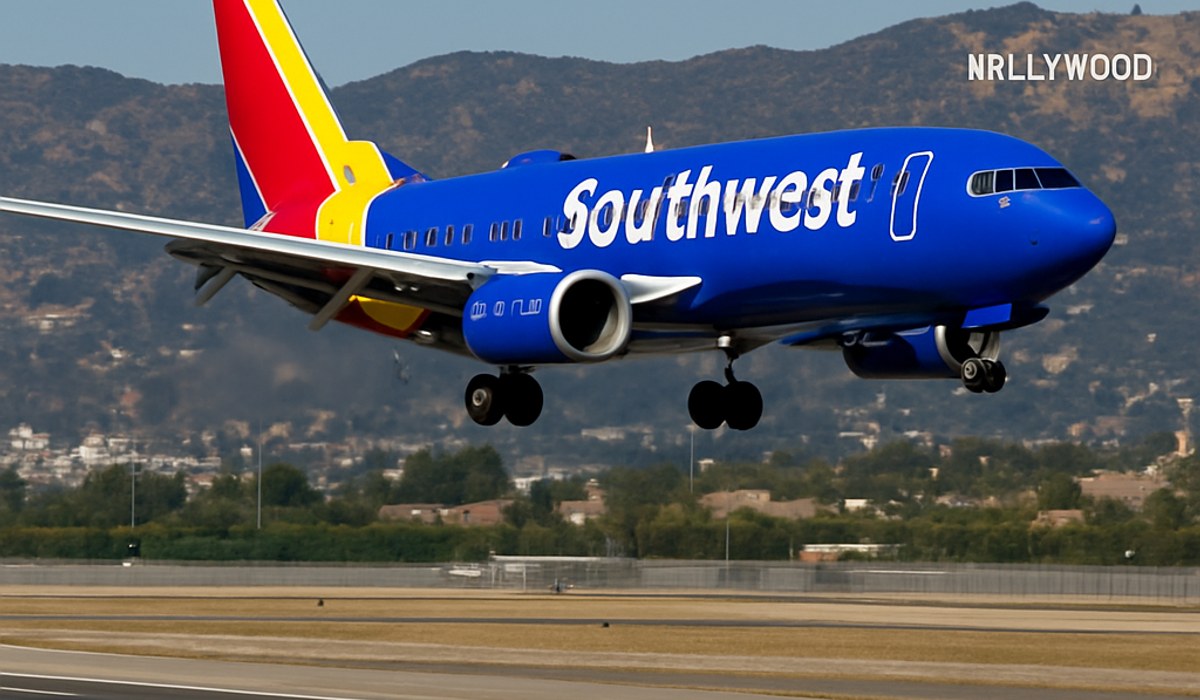
Image generated by AI
Southwest Airlines Diverts Landing at Burbank: Routine Safety Procedure Reassures Travelers
Quick Summary:
- Southwest Airlines Flight 2353 aborted landing at Hollywood Burbank Airport due to runway concerns
- Boeing 737 executed go-around maneuver and successfully landed 5-10 minutes later
- FAA confirmed no runway incursion or safety threats
- Pilot-initiated procedure demonstrates aviation safety protocols working as designed
A Southwest Airlines Boeing 737 safely maneuvered away from Hollywood Burbank Airport's runway after pilots detected unsafe landing conditions, executing a textbook safety procedure that kept passengers and crew protected. Rather than proceeding with a potentially risky landing, the flight crew initiated a go-around—one of aviation's most effective safety tools. Here's what happened and why this incident exemplifies proper aviation safety protocols.
Southwest Flight 2353 Initiates Routine Safety Maneuver
Southwest Airlines Flight 2353, a Boeing 737 operating from Las Vegas (LAS) to Hollywood Burbank Airport (BUR), initiated a go-around procedure on March 26 after detecting unsafe runway conditions. The flight had been in the air for nearly two hours when the pilot made the critical decision to abort the landing approach and circle back for another attempt.
The pilot's announcement over the plane's intercom reassured passengers that the situation was under control. The flight crew explained that the runway had not been clear for landing and that the aircraft would circle back and realign for another landing attempt. The delay was minimal—approximately 5-10 additional minutes—before the aircraft successfully touched down.
One passenger recorded the pilot's announcement, capturing the calm, professional tone that characterized the crew's communication with passengers throughout the procedure. This transparency and clear communication helped reassure travelers that the situation was managed appropriately.
What Is a Go-Around and Why Do Pilots Execute Them?
A go-around is a routine aviation safety maneuver that allows pilots to abort a landing attempt and circle the airport to rejoin the approach for another landing. This procedure happens daily at airports worldwide and represents one of aviation's most fundamental safety protocols.
Pilots initiate go-around procedures for various legitimate reasons:
Runway Obstructions - Unexpected objects, debris, or vehicles on the runway runway surface Unsafe Weather - Sudden wind shear, microbursts, or other dangerous atmospheric conditions Traffic Conflicts - Other aircraft remaining on the runway or in the landing path Pilot Judgment - Any condition where the pilot determines the landing isn't safe to attempt
The FAA confirmed that Southwest Flight 2353's go-around was a precautionary measure executed according to standard safety guidelines. The agency verified that no runway incursion occurred—meaning no other aircraft or vehicles were involved in the incident. This distinction is critical: the pilot didn't encounter an actual collision threat. Instead, the pilot exercised proper judgment to avoid potential risks.
FAA and Southwest Airlines Emphasize Safety Protocols
Both the Federal Aviation Administration and Southwest Airlines issued statements emphasizing that safety remained the priority throughout the incident. Southwest Airlines spokesperson confirmed no internal runway incursion reports had been filed, and the airline's assessment concluded that the flight crew handled the situation appropriately.
The FAA stressed that go-around procedures are performed daily across the aviation system and represent exactly how the system is supposed to function. Flight crews are extensively trained to execute these maneuvers with precision, ensuring the aircraft remains in a safe position while repositioning for another landing attempt.
Southwest Airlines specifically commended its flight crews for their professionalism in managing unexpected situations. The airline emphasized that both pilots and air traffic controllers follow rigorous protocols designed to prevent incidents and prioritize passenger safety.
Context: Southwest's Safety History and Previous Incidents
Southwest Airlines had previously experienced a more serious incident involving one of its Boeing 737s. Southwest Airlines Flight WN 1496 experienced a significant emergency shortly after departing Hollywood Burbank for Las Vegas, offering important context about aviation safety.
Only six minutes into the flight, the aircraft descended nearly 500 feet rapidly after receiving conflicting traffic alerts. The steep descent was intended to avoid another aircraft—a Hawker Hunter fighter jet—that came within close proximity to the Southwest flight. The abrupt maneuver caused extreme discomfort for passengers and resulted in injuries to two flight attendants, though no passengers were seriously hurt.
That incident raised questions about airspace safety and FAA oversight in busy aviation corridors. The federal investigation that followed examined the circumstances and provided insights into how air traffic control systems function in congested airspace.
What This Means for Travelers
The Southwest Flight 2353 go-around at Hollywood Burbank Airport should provide reassurance rather than concern about aviation safety. Here's why:
Safety Systems Work: When pilots detect potential problems, they have the authority and training to take immediate corrective action. The go-around demonstrates that safety systems function exactly as designed.
Delays Beat Risk: The aircraft circled and landed 5-10 minutes later instead of proceeding with a potentially unsafe landing. This perfectly illustrates how aviation prioritizes safety over schedule convenience.
Transparent Communication: The pilot's clear announcement to passengers demonstrated professional communication and reduced passenger anxiety through information.
FAA Oversight Functions: The FAA's post-incident confirmation that procedures were followed properly shows regulatory oversight working as intended.
FAQ: Aviation Go-Around Procedures
Q: How often do go-arounds happen? A: Go-arounds occur daily at airports worldwide. They're so routine that pilots train for them regularly and execute them without incident thousands of times annually.
Q: Is a go-around dangerous? A: No. A go-around is a safe, controlled procedure that prevents unsafe landings. The aircraft remains fully under pilot control throughout the maneuver.
Q: Should I be concerned if my flight executes a go-around? A: Not at all. A go-around is exactly what should happen if landing conditions aren't optimal. It's the safety system functioning properly.
Q: Do airlines report go-arounds? A: Airlines track go-arounds for operational data, but routine go-arounds without safety issues aren't typically reported as incidents unless circumstances are unusual.
Q: What's the difference between a go-around and an emergency? A: A go-around is a planned, controlled procedure. An emergency involves unexpected serious threats. Go-arounds prevent situations from becoming emergencies.
The Broader Picture of Aviation Safety
The Southwest Flight 2353 go-around at Hollywood Burbank Airport exemplifies how modern aviation safety works. Pilots, air traffic controllers, and aircraft systems are designed to detect and prevent unsafe conditions before they develop into serious incidents.
The FAA continues working to refine safety protocols and improve airspace management in busy corridors. Southwest Airlines maintains safety as its foremost priority, and crew training ensures flight professionals can handle unexpected situations with professionalism and precision.
Passengers who experienced the Flight 2353 go-around can take comfort knowing that the safety procedure was executed properly and that the aviation system worked exactly as intended. The temporary delay was a small price for the safety assurance that proper protocols provide.
Last updated: March 30, 2026. Information sourced from Southwest Airlines statements, FAA documentation, and available reports. For additional aviation safety information, consult the Federal Aviation Administration website.
Disclaimer
This article is for informational and educational purposes only. It does not constitute legal, financial, or professional advice. While we strive to provide accurate and up-to-date information, travel policies, regulations, and conditions change rapidly. Always verify information with official sources before making travel decisions. Nomad Lawyer makes no representations about the accuracy, reliability, completeness, or suitability of the information provided. Readers should consult qualified professionals for advice specific to their circumstances. The views expressed in this article are those of the author and do not necessarily reflect the views of Nomad Lawyer.
Raushan Kumar
Founder & Lead Developer
Full-stack developer with 11+ years of experience and a passionate traveller. Raushan built Nomad Lawyer from the ground up with a vision to create the best travel and law experience on the web.
Learn more about our team →