
Southern Africa Tourism Shifts 2026: Namibia and Botswana Pressure South Africa as Regional Arrivals Slip
Regional tourism data for 2026 reveals a sharp decline in arrivals across Namibia, Botswana, and Uganda, forcing South Africa to overhaul its visa and aviation strategies to maintain market leadership.
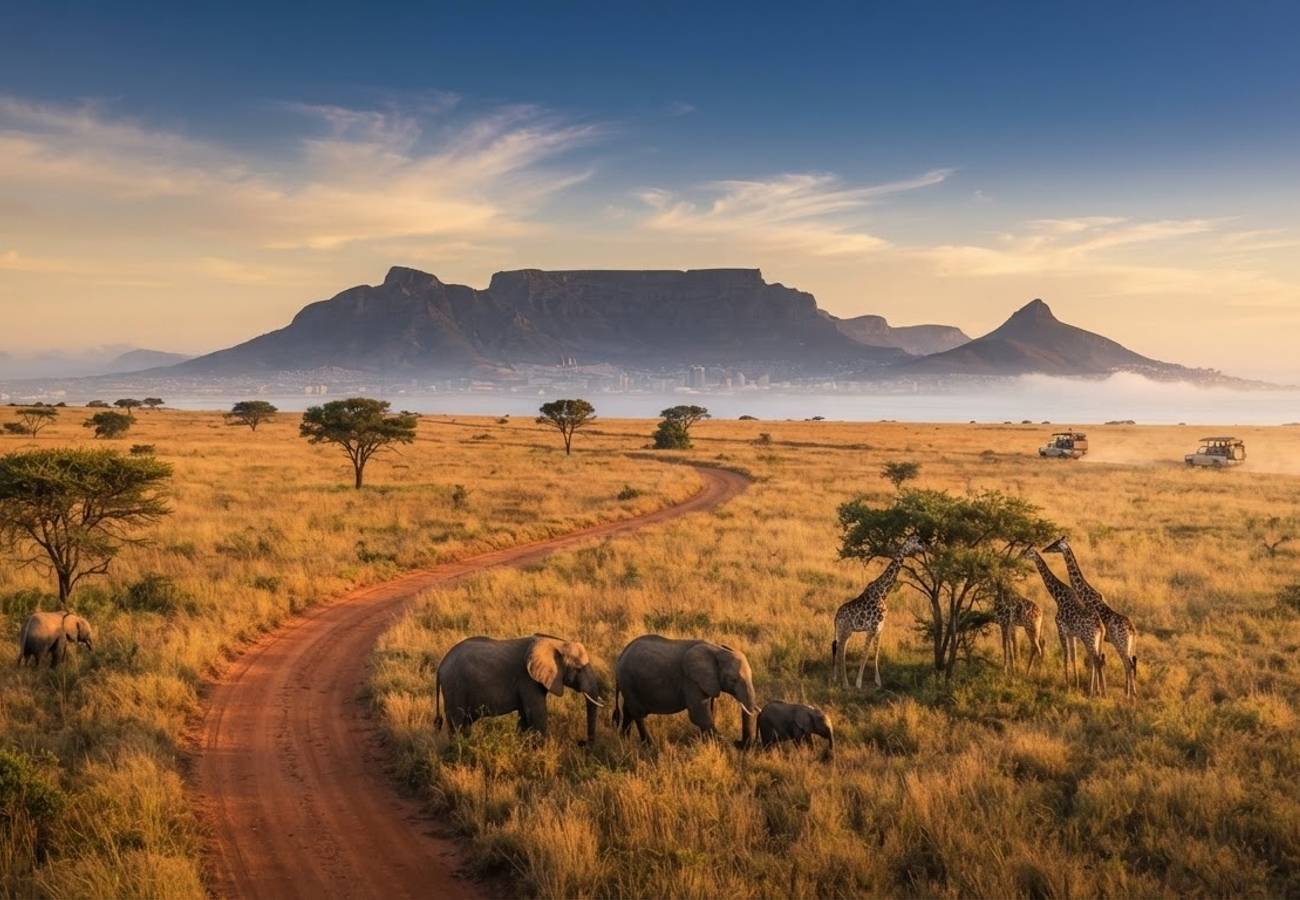
Image generated by AI
Regional tourism markets across Southern and Central Africa recorded a downturn in 2026, signaling a shift in traveler preferences and intensifying competition for South Africa's traditional market share.
The 2026 data indicates a cooling period for several key African destinations. While the declines vary in scale, the trend suggests that travelers are increasingly prioritizing affordability, accessibility, and niche experiences over traditional hubs. This shift is placing significant pressure on South Africa to modernize its entry requirements and aviation infrastructure to prevent further leakage of regional visitors to neighboring competitors.
Regional Arrival Declines: The 2026 Data
The downturn is most evident in Namibia and Botswana, where high-value nature and adventure tourism are facing headwinds.
- Namibia: Experienced a 2.5% drop in arrivals, falling from 83,388 visitors in 2025 to 81,306 in 2026. This decline highlights a growing sensitivity to affordability and accessibility within the Southern African corridor.
- Botswana: Recorded a 1.1% decrease, with visitor numbers slipping from 187,510 in 2025 to 185,439 in 2026. Despite the prestige of the Okavango Delta, Botswana is facing stiffer competition from regional safari alternatives.
- Uganda: Saw a marginal decline of 0.1%, moving from 6,628 visitors in 2025 to 6,623 in 2026. While the dip is slight, it underscores the impact of high travel costs and connectivity gaps on gorilla trekking and wildlife tourism.
- Cameroon: Reported the smallest shift, with a 0.04% decline, dropping from 2,368 visitors in 2025 to 2,367 in 2026.
South Africa’s Strategic Counter-Response
To mitigate these regional losses, South Africa is pivoting toward a "frictionless travel" model. The goal is to reposition the country not just as a destination, but as the primary gateway for the entire continent.
The strategy focuses on three pillars: digital transformation of borders, expanded aviation links, and multi-destination marketing. By encouraging "circuit travel"—where visitors combine South African urban hubs with neighboring wildlife reserves—the country aims to stabilize regional demand.
Tourism Recovery Measures and Expected Impacts
| Tourism Measure | Details | Expected Tourism Impact |
|---|---|---|
| Visa Facilitation | Expansion of digital visa systems and simplified applications | Reduces entry barriers for international and regional visitors |
| Electronic Travel Authorisation (ETA) | Digital travel approval system for eligible travelers | Faster and smoother arrival experience |
| Trusted Tour Operators Scheme | Accredited operators submit visas online for select markets | Increases group travel confidence and efficiency |
| Regional Tourism Campaigns | Promotion of safari, culture, and beaches across Africa | Encourages intra-African travel and extended stays |
| Air Connectivity Expansion | Strengthening direct flight links and regional aviation | Improves accessibility for neighboring markets |
| Multi-Destination Promotion | Partnerships to combine SA with other Southern African sites | Positions South Africa as a regional gateway |
Why This Matters: Industry Analysis
From a logistical perspective, these numbers reveal a critical vulnerability in the African tourism model: over-reliance on high-cost, niche experiences. When affordability concerns rise, as seen in the 2.5% dip in Namibia, travelers do not necessarily stop traveling; they switch destinations or shorten their trips.
For the aviation industry, this data suggests that point-to-point regional connectivity is currently insufficient. The fact that Uganda and Cameroon saw minimal but persistent declines suggests that "accessibility" is the primary bottleneck. South Africa's push for ETAs and digital visas is a direct response to this. If South Africa can successfully lower the "barrier to entry," it can capture the overflow from neighboring markets that are struggling with infrastructure.
The real impact for travelers is a likely increase in "bundled" packages. We expect to see more itineraries that blend Cape Town's urban appeal with Botswana's wilderness, reducing the per-day cost of the trip and increasing the overall value proposition.
Forward Outlook
The coming 12 to 18 months will be a test of South Africa's digital border infrastructure. The success of the Electronic Travel Authorisation (ETA) will determine if the country can reverse the trend of regional decline. Market trends suggest that the "premium safari" market is reaching a saturation point, and growth will now come from the emerging middle-class African traveler. Destinations that prioritize ease of movement over luxury exclusivity will likely see the fastest recovery in 2027.
The battle for the Southern African traveler is no longer about who has the best wildlife, but who has the easiest border.
Related Travel Guides
Disclaimer
This article is for informational and educational purposes only. It does not constitute legal, financial, or professional advice. While we strive to provide accurate and up-to-date information, travel policies, regulations, and conditions change rapidly. Always verify information with official sources before making travel decisions. Nomad Lawyer makes no representations about the accuracy, reliability, completeness, or suitability of the information provided. Readers should consult qualified professionals for advice specific to their circumstances. The views expressed in this article are those of the author and do not necessarily reflect the views of Nomad Lawyer.