
Pokhara Dashain Festival 2026: Tika Rituals, Lakeside Kite Battles, and Annapurna Cultural Traditions
Pokhara opens its sacred Dashain celebrations to international travellers on October 25 with Tika blessings, Jamara rituals, and lakeside kite-flying traditions.

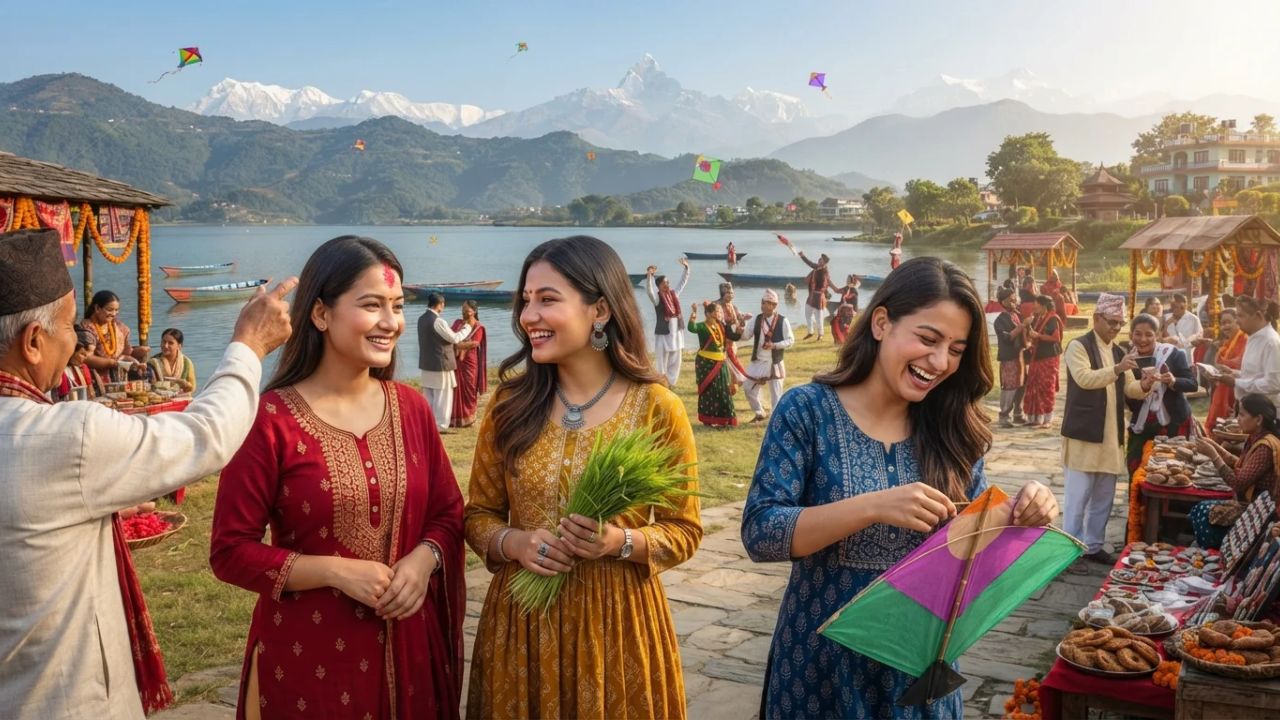
While Dashain has remained a private family-centered observance behind closed doors across the Himalayas for centuries, Pokhara is opening its sacred rituals to international travellers on October 25 with the Grand Dashain Tourism and Cultural Festival. Held along the shores of Phewa Lake at the Barahi Ghat grounds in Lakeside during Kojagrat Purnima—the concluding full moon of the festival fortnight—the event breaks traditional barriers. Under the theme "Tika, Jamara and Kite Flying – Celebrating Dashain with Tourists in Pokhara," travellers are invited to receive sacred crimson forehead blessings and sprouted golden barley shoots directly from local elders beneath the Annapurna massif.
Organized in coordination with the Nepal Tourism Board, this cultural initiative bridges independent Himalayan trekking adventures with living religious heritage, transforming Nepal’s premier adventure capital into an open-air classroom of indigenous traditions.
The Lakeside Transformation: Dashain at Barahi Ghat
Dashain represents Nepal's longest and most revered national celebration, commemorating the triumph of Goddess Durga over evil. Historically, the festival concludes within private family courtyards where elders bestow blessings upon younger generations.
On October 25, the Barahi Ghat grounds along Phewa Lake will host a public gathering designed to welcome both domestic and international visitors into these living rites. The timing on Kojagrat Purnima coincides with the final night of Dashain, when Goddess Laxmi is believed to descend to earth to bless households that remain awake through the night.
| Festival Element | Traditional Practice & Materials | Cultural Meaning | Visitor Participation Mode |
|---|---|---|---|
| Rato Tika Blessing | Crimson vermilion paste, unbroken rice grains, curd | Bestows prosperity, vitality, and familial protection | Public blessing ceremonies led by regional elders |
| Jamara Offerings | Golden barley/maize shoots sprouted in darkness for 10 days | Symbolizes agricultural fertility and spiritual rebirth | Worn tucked behind the left ear or woven into caps |
| Lakeside Kite Flying | Handmade bamboo-framed paper kites (changas) | Marks monsoon retreat; sends gratitude prayers to Indra | Open kite-flying competitions at Barahi Ghat |
| Ping Bamboo Swings | 10-metre high structures built from forest bamboo and ropes | Ritual cleansing: touching heaven to leave troubles behind | Public swing installations across Lakeside parks |
Beyond private family shrines, the public celebration at Barahi Ghat offers visitors direct participation in the sacred exchange of Rato Tika and Jamara, accompanied by traditional Newari dhime drums, Gurung folk dances, and Magar musical ensembles.
What Makes Pokhara's Cultural Season Different
While Pokhara is globally famed for paragliding over Sarangkot and acting as the trailhead for the Annapurna Circuit, late October reveals the cultural soul of the Gandaki province:
1. Sprouted Jamara and Autumn Rebirth
Ten days prior to the main festival, priests and family heads sow barley and maize seeds in dark clay vessels (Ghatasthapana). Shielded from sunlight and watered with holy river springs, the shoots sprout into vivid golden-yellow grasses called Jamara. During the festival on October 25, elders place these blessed shoots behind travellers' ears alongside the crimson Tika.
2. The Tradition of Skybound Kites (Changa Chait)
With the autumn monsoon clouds giving way to crystal-clear skies revealing Machapuchare (Fishtail Peak, 6,993 metres), hundreds of paper kites take flight over Phewa Lake. In local mythology, flying kites signals to Lord Indra that sufficient rainfall has fallen for the autumn harvest and serves as an invitation for celestial blessings.
3. Communal Bamboo Swings (Linge Ping)
Across Pokhara’s village outskirts and Lakeside greens, towering bamboo swings called Linge Ping are erected using four massive forest bamboo poles and hand-twisted natural hemp ropes. Local belief holds that swinging so high that one's feet leave the earth at least once during Dashain purges spiritual impurities and welcomes good fortune.
| Traditional Ceremony / Activity | Daily Schedule Window | Geographic Location | Cultural Focus & Ethnic Representation |
|---|---|---|---|
| Community Tika Blessings | 10:00 – 14:00 (Oct 25) | Barahi Ghat Stage, Lakeside | Multi-generational blessings with elder community leaders |
| Kite-Flying Championship | 13:00 – 17:00 (Oct 25) | Phewa Lake Shoreline | Traditional line-cutting duels (Changa Chait) |
| Ethnic Folk Performances | 16:00 – 20:00 (Oct 25) | Lakeside Open-Air Amphitheatre | Gurung Ghatu, Magar Kauda, and Tamang Selo routines |
| Artisanal Craft & Food Fair | 10:00 – 21:00 (Oct 25) | Baidam Road Promenade | Sel roti, mountain goat curries, Dhaka textiles, hemp crafts |
Visitor Insider Tips
- Timing Your Arrival for Post-Monsoon Clarity: Plan your Pokhara itinerary between October 20 and November 10. This window combines crisp Himalayan visibility with festival pageantry and dry trekking trails across the Annapurna Conservation Area, managed by the National Trust for Nature Conservation.
- Embrace Blessing Etiquette with Respect: When receiving Tika from an elder at Barahi Ghat, offer a small nominal monetary blessing (Dakshina) folded in your palm, keep both hands visible, and bow your head slightly while placing your palms together in Namaste.
- Sample Freshly Made Sel Roti: Seek out traditional stalls along Baidam Road serving sel roti—a ring-shaped, crispy rice-flour doughnut fried in pure ghee—paired with spiced mountain potato curry (aloo dum) and roasted mustard-seed goat pickle.
- Transport and Lakeside Mobility: Hire a standard bicycle or electric scooter to explore the quiet stretches of North Lakeside and Pame, bypassing festive automobile traffic along central Baidam Street.
Cultural and Environmental Context
Pokhara’s evolution into a hub for community-based festival tourism highlights a growing movement to preserve intangible heritage amid rapid urban expansion. In recent years, modern recreation threatened to displace traditional practices like constructing Linge Ping swings and flying handmade paper kites. By organizing a structured, tourist-welcoming festival at Barahi Ghat, local youth clubs, municipal bodies, and women's handicraft cooperatives are breathing fresh economic vitality into traditional craftsmanship.
Environmental considerations remain integral to the Lakeside festival. Municipal regulations require that all kites flown during the festival use biodegradable paper and cotton lines, banning synthetic nylon cords and glass-coated strings that harm urban bird populations. Furthermore, proceeds from Lakeside craft stalls directly support community preservation projects across the Seti River valley and surrounding Gurung hill settlements.
FAQ: Visiting Pokhara During Dashain 2026
Are shops and restaurants open in Pokhara during Dashain?
Yes. While government offices and banks close during the peak days of Dashain, hotels, restaurants, cafes, and tour agencies throughout Lakeside remain fully operational to serve holiday visitors.
Can international travellers receive Tika during the festival?
Yes. The Dashain Festival at Barahi Ghat on October 25 is specifically designed for international travellers to participate in traditional Tika and Jamara blessings offered by welcoming community elders.
How do I travel to Pokhara from Kathmandu?
Daily 25-minute domestic flights connect Tribhuvan International Airport in Kathmandu to Pokhara International Airport. Alternatively, tourist express coaches run the 200-kilometre Prithvi Highway in roughly 6 to 8 hours.
Do I need special permits to attend the Dashain Festival in Pokhara?
No special permits are required to attend the festival at Barahi Ghat in Lakeside. Standard Annapurna Conservation Area Permits (ACAP) and TIMS cards are only needed if you embark on mountain treks into the surrounding ranges.
Related Travel Guides
- Asia Long-Distance Trails 2027: South Korea, Japan, Taiwan, and Bhutan
- Sri Lanka Economic Shifts and Tourism Rebound Traveler Guide 2026
- Shizuoka Mount Fuji Cycling and Green Tea Cultural Guide 2026
- Eastern Europe Travel 2027: Bieszczady Trails and Slow Rail Expeditions
As golden Jamara shoots catch the autumn sun over Phewa Lake, Pokhara reveals that Nepal's greatest summit is the warmth of its living heritage.
Disclaimer
This article is for informational and educational purposes only. It does not constitute legal, financial, or professional advice. While we strive to provide accurate and up-to-date information, travel policies, regulations, and conditions change rapidly. Always verify information with official sources before making travel decisions. Nomad Lawyer makes no representations about the accuracy, reliability, completeness, or suitability of the information provided. Readers should consult qualified professionals for advice specific to their circumstances. The views expressed in this article are those of the author and do not necessarily reflect the views of Nomad Lawyer.
Kunal K Choudhary
Co-Founder & Contributor
A passionate traveller and tech enthusiast. Kunal contributes to the vision and growth of Nomad Lawyer, bringing fresh perspectives and driving the community forward.
Learn more about our team →