
Southeast Asia Cruise Boom 2026: Thailand and Malaysia Challenge Singapore's US$10 Billion Hub Dominance
A US$10 billion economic surge in Southeast Asian cruising is shifting the balance of power as Thailand and Malaysia optimize local spending over raw passenger volumes.

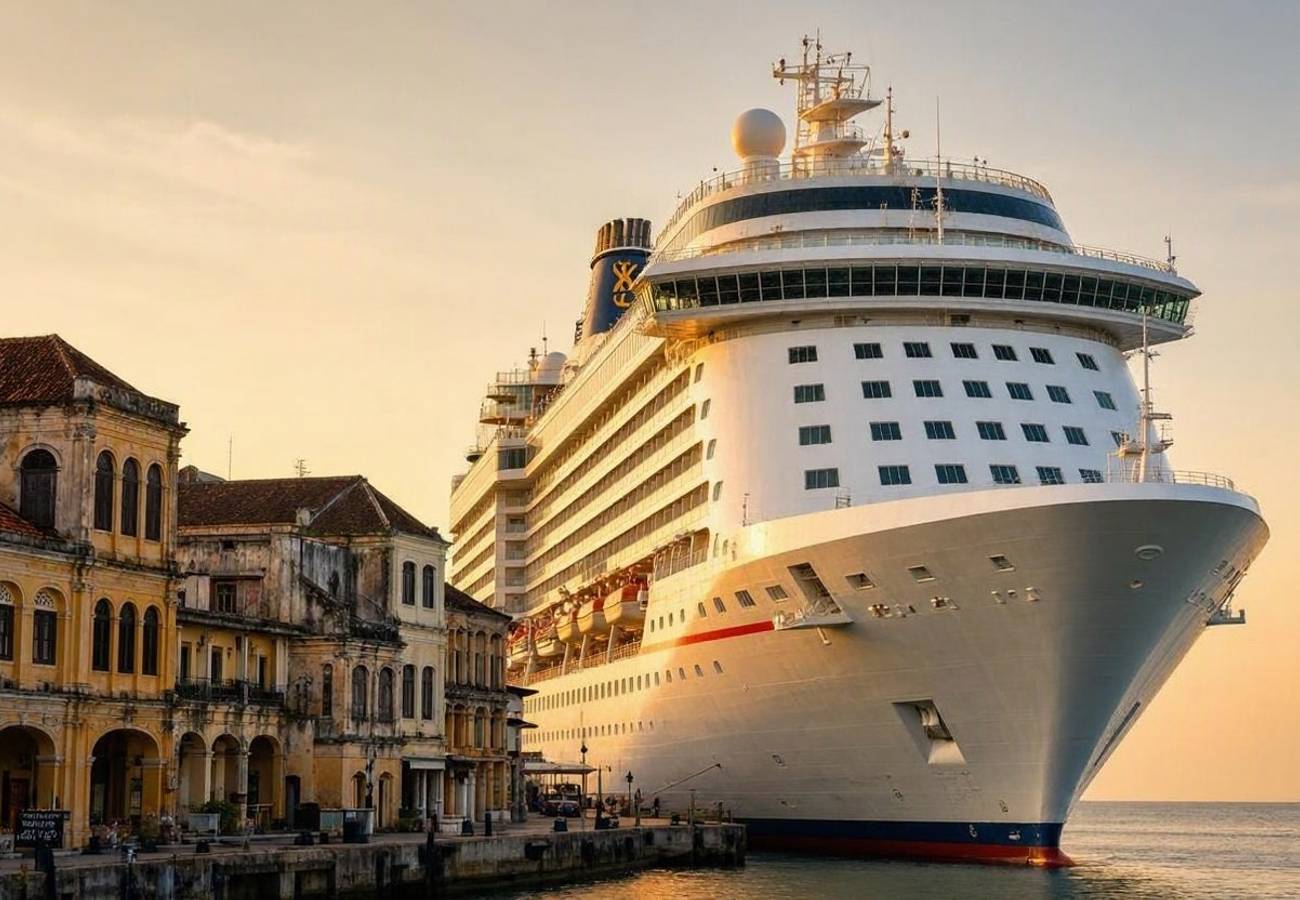
Image generated by AI
Southeast Asia is currently punching far above its weight in the global maritime economy, generating US$2,564 in economic output per passenger visit—a figure 2.4 times higher than the global average. While the region accounts for a mere 2% of global passenger visits, it commands a staggering 5% of the world's cruise-related economic output.
The Shift from Volume to Value in SE Asian Ports
The regional cruise sector is no longer just about how many ships dock at a pier; it is about where the money actually stays. In 2024, the region generated US$10 billion in cruise-related economic output, supporting roughly 530,000 jobs and contributing US$4.5 billion to the regional GDP. However, a critical "value gap" has emerged.
Singapore continues to lead in sheer volume, claiming 48% of all regional passenger visits. Yet, the emerging trend in 2026 is the push by Thailand and Malaysia to capture a larger slice of the spending pie. The goal is to move away from "transit tourism"—where passengers spend a few hours on a pre-packaged shore excursion—toward "integrated tourism," where cruise arrivals trigger longer land-based stays. According to a regional assessment by Tourism Economics and the Cruise Lines International Association (CLIA), 47% of cruise travelers expressed a desire to return to Southeast Asia for land-based holidays, presenting a massive opportunity for local operators.
What Makes These Hubs Different
The experience of a cruise visitor varies wildly depending on whether the port is a "home port" or a "transit port."
Singapore operates as the region's primary gateway. Because it serves as a home port, it captures high-value revenue from pre- and post-cruise hotel stays, airport transfers, and multi-day city explorations. In 2024, the Singapore Tourism Board (STB) recorded 1.8 million passenger movements across 340 ship calls.
In contrast, Malaysia and Thailand are optimizing their transit experience. In Penang, the Swettenham Pier Cruise Terminal is positioned directly adjacent to the heritage heart of George Town. This allows passengers to bypass expensive coach tours and spend money directly at local cafes, museums, and boutiques. Thailand, meanwhile, leverages its diverse geography, using Laem Chabang as a bridge to Bangkok and Pattaya, while Phuket and Koh Samui focus on high-spend island excursions.
Regional Cruise Performance Metrics (2024 Data)
| Metric | Singapore | Malaysia | Thailand | Vietnam |
|---|---|---|---|---|
| Passenger Share | 48% | 22% | Not Specified | Not Specified |
| Key Volume Metric | 1.8M movements | 1M+ (Penang) | 379,036 passengers | 248,100 sea arrivals |
| Economic Driver | Home-port logistics | Heritage transit | Excursion revenue | General maritime |
| Growth/Impact | Regional Leader | Urban accessibility | THB 1.89B revenue | 39.5% total visitor growth |
Visitor Insider Tips
If you are planning a Southeast Asian cruise in 2026, avoid the "tourist bubble" by applying these local strategies:
- The Singapore Buffer: Never embark on the day of your flight. Arrive at least 48 hours early to explore the city. This avoids the stress of flight delays and allows you to experience the city's culinary scene before being confined to ship menus.
- Penang's Independent Walk: In George Town, skip the cruise-line bus. The Swettenham Pier terminal is walking distance to the UNESCO World Heritage zone. Use local trishaws for short hops to avoid the crowds of large tour groups.
- Thailand's Time Trap: Be wary of Laem Chabang. The port is far from Bangkok. If you have a short layover, book a private transfer or a focused excursion to Pattaya rather than attempting a round-trip to the capital, which can eat up 6-8 hours in traffic.
- Vietnam's Hidden Gems: Since cruise data in Vietnam is still evolving, look for smaller, independent boutiques in ports like Da Nang or Halong Bay rather than the large-scale shops geared toward cruise ships.
Cultural and Environmental Context
The surge in cruise traffic brings a complex tension between economic gain and heritage preservation. In places like George Town, Malaysia, the influx of over one million passengers annually puts pressure on the fragile colonial architecture and local rhythms. There is a growing movement to ensure that cruise spending doesn't just benefit the cruise lines and large tour operators but trickles down to the street-level vendors and artisans.
Environmentally, the region is grappling with the impact of massive vessels on coral ecosystems, particularly around Phuket and the Philippines. The push for "sustainable cruising" is no longer a buzzword but a necessity for the survival of the very attractions—like the UNESCO World Heritage sites—that draw visitors to the region in the first place.
FAQ: Visiting Southeast Asia by Cruise 2026
What is the best time to visit Southeast Asia by cruise? The peak window is typically November to March, when the weather is cooler and drier across most of the region, avoiding the heaviest monsoon rains.
How do I get to the Singapore cruise terminal from the airport? The most efficient way is via taxi or ride-sharing apps (Grab). The journey typically takes 20-30 minutes depending on traffic.
Is it safe for solo travelers to explore ports independently? Yes, particularly in Singapore and Penang. However, in larger Thai ports, it is recommended to use reputable transport services or join a small-group guided tour for safety and efficiency.
Do I need a visa for cruise stops in Thailand and Malaysia? Visa requirements vary by nationality. Many cruise passengers enjoy visa-exempt entry for short stays, but always check the official embassy guidelines before departure.
The real treasure of Southeast Asian cruising isn't found on the ship, but in the narrow alleys of George Town and the hidden shores of Thailand.
Related Travel Guides
Disclaimer
This article is for informational and educational purposes only. It does not constitute legal, financial, or professional advice. While we strive to provide accurate and up-to-date information, travel policies, regulations, and conditions change rapidly. Always verify information with official sources before making travel decisions. Nomad Lawyer makes no representations about the accuracy, reliability, completeness, or suitability of the information provided. Readers should consult qualified professionals for advice specific to their circumstances. The views expressed in this article are those of the author and do not necessarily reflect the views of Nomad Lawyer.
Preeti Gunjan
Contributor & Community Manager
A passionate traveller and community builder. Preeti helps grow the Nomad Lawyer community, fostering engagement and bringing the reader experience to life.
Learn more about our team →