
South Australia Tourism 2026: Regional Wine Corridors, Wildlife Sanctuaries, and the $14 Billion Visitor Economy
South Australia targets a $14 billion visitor economy by 2030 as the SATC unites its global destination and events marketing under the Celebrate the Simple Pleasures brand.

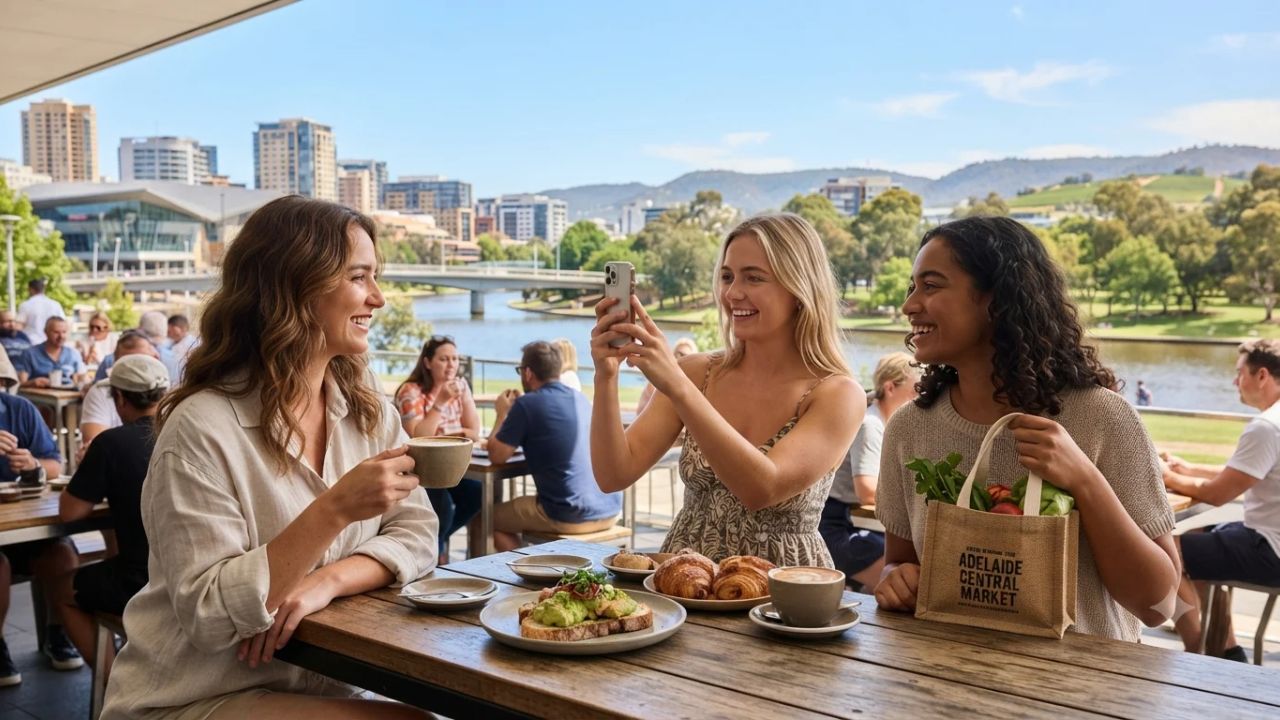
Generating $11.5 billion in economic benefit in the year ending March 2026, South Australia has set an ambitious target to expand its visitor economy to $14 billion by 2030 and secure its rank as the nation's third most desirable travel destination. To accelerate international and domestic traveller arrivals, the South Australian Tourism Commission (SATC) appointed Wavemaker Australia as its unified media agency partner across its Destination and Events portfolios. Commencing 1 October 2026, the expanded campaign broadens the reach of the state's signature brand platform, Celebrate the Simple Pleasures, across Australia and global overseas markets, excluding New Zealand.
By linking Adelaide’s heritage culinary markets with the Shiraz corridors of the Barossa, the marine sanctuaries of Kangaroo Island, and the ancient red quartzite gorges of the Flinders Ranges, the state is showcasing a decentralized regional model that prioritizes authentic farm-gate encounters over mass-tourism saturation.
Strategic Marketing Expansion and the $14 Billion Visitor Roadmap
Under the new unified agency model managed by Wavemaker Adelaide, SATC brings together both its major event properties—such as the Adelaide Fringe, Santos Tour Down Under, and AFL Gather Round—and its regional destination portfolios under Client Director Jess Phillips and Managing Director Kevin Kivi. This integration ensures that major cultural events directly channel footfall into regional tasting rooms, coastal wildlife trails, and Outback stations.
Tourism now stands as one of the primary pillars of the state's post-industrial economic strategy. The shift toward high-yield culinary, nature-based, and agritourism travel allows rural operators in the Eyre Peninsula, Clare Valley, and Limestone Coast to capture substantial direct expenditure.
| Economic & Strategic Metric | Baseline Value (Year Ending March 2026) | Target Objective (2030 Roadmap) | Managing Agency & Governance |
|---|---|---|---|
| Annual Economic Benefit | $11.5 billion | $14.0 billion | South Australian Tourism Commission (SATC) |
| National Desirability Rank | Top 4 state destination | Third most desirable Australian destination | Wavemaker Australia / SATC |
| Operational Media Scope | Divided agency portfolios | Unified Destination & Events (effective 1 October) | Wavemaker Adelaide Team |
| Brand Platform Focus | Celebrate the Simple Pleasures | Regional culinary, nature, slow travel, events | Domestic & Global media (excl. New Zealand) |
According to strategic data from Tourism Australia, international visitors are staying longer in South Australia to explore specialized wine-making sub-regions and indigenous cultural trails rather than brief urban layovers.
What Makes South Australia Different: Four Distinct Regional Pillars
South Australia’s geography allows travellers to transition from cosmopolitan colonial boulevards to Mediterranean-climate vineyards and rugged desert frontiers within short transit windows:
1. Adelaide and Epicurean Heritage
Adelaide features a planned parkland green belt encircling historic bluestone architecture. At its culinary core lies the Adelaide Central Market, established in 1869 with over 70 independent traders selling artisan cheeses, Eyre Peninsula oysters, Kangaroo Island honey, and native botanical preserves. Adelaide serves as Australia's official Great Wine Capital, positioned within a 45-minute drive of over 200 cellar doors.
2. The Wine Corridors: Barossa, McLaren Vale, and Adelaide Hills
The state produces more than 50% of all Australian bottled wine. The Barossa Valley contains some of the world's oldest continuously producing Shiraz vines, originally planted by 19th-century Silesian Lutheran immigrants. Just south of the city, McLaren Vale integrates regenerative organic viticulture alongside the sparkling waters of the Gulf St Vincent, while the high-elevation Adelaide Hills specialize in cool-climate Pinot Noir and crisp Chardonnay.
3. Kangaroo Island: Wildlife Regeneration and Coastal Biospheres
Separated from the mainland by Backstairs Passage, Kangaroo Island functions as an open-air sanctuary for Australian sea lions (Neophoca cinerea) at Seal Bay, koalas, tammar wallabies, and glossy black cockatoos. Managed under conservation guidelines supported by National Parks South Australia, the island's recovery following regional bushfires demonstrates world-leading ecotourism management, featuring off-grid luxury lodges and strictly regulated boardwalk trail networks.
4. Flinders Ranges and the Outback
Spanning north into the arid interior, the Flinders Ranges preserve 800-million-year-old geological records and ancient Ediacaran fossil beds at Nilpena. Anchored by the natural amphitheatre of Ikara-Wilpena Pound, the region offers guided cultural walking expeditions led by Adnyamathanha traditional owners.
| Travel Region | Distance from Adelaide | Primary Terroir / Ecosystem | Key Wildlife & Cultural Attractions | Recommended Visitor Window |
|---|---|---|---|---|
| Adelaide Metro | Hub | Urban parklands & Torrens River | Adelaide Central Market, North Terrace cultural precinct | Year-round; March festival season |
| Barossa Valley | 70 km northeast (1 hr) | Warm Mediterranean continental | Century-old Shiraz vines, artisan German smokehouses | March–May (Vintage harvest) |
| McLaren Vale | 40 km south (45 min) | Coastal maritime Mediterranean | Grenache vines, d'Arenberg Cube, Aldinga Beach | October–April |
| Kangaroo Island | 130 km southwest (Ferry/Flight) | Temperate marine coastline | Seal Bay sea lion colony, Remarkable Rocks, Flinders Chase | October–April |
| Flinders Ranges | 450 km north (5 hrs) | Semi-arid red quartzite ranges | Ikara-Wilpena Pound, Nilpena Ediacara fossil beds | April–October (Cool winter days) |
Visitor Insider Tips
- Time Your Urban Visit for "Mad March": Travel during late February and March to experience Adelaide's annual festival season, when the Adelaide Fringe—the Southern Hemisphere's largest open-access arts festival—runs alongside Adelaide Festival and WOMADelaide.
- Navigate the Eyre Peninsula Seafood Frontier: Rather than flying straight to the Outback, take the coastal drive along the Eyre Peninsula to sample farm-fresh Pacific oysters directly from working leases in Coffin Bay and tuna off Port Lincoln.
- Book Kangaroo Island Vehicle Ferries Early: SeaLink vehicle ferries from Cape Jervis to Penneshaw fill up weeks in advance during Australian school holiday periods; secure vehicle slots concurrently with accommodation bookings.
- Opt for Regional Cellar Door Weekdays: Major Barossa and McLaren Vale estates host intimate masterclasses with head winemakers from Tuesday to Thursday, bypassing weekend day-tripper crowds.
Cultural and Environmental Context
South Australia's tourism development places strong emphasis on indigenous co-management and regenerative farming. Across Ikara-Flinders Ranges National Park, the Adnyamathanha people hold joint-management agreements that protect sacred art sites and dreamtime songlines while providing authentic cultural employment for youth.
In coastal and agricultural zones, water stewardship remains paramount. Vineyard managers across McLaren Vale rely on reclaimed recycled water schemes to preserve groundwater aquifers during hot dry summers. Meanwhile, conservation regulations on Kangaroo Island enforce strict quarantine checks at ferry terminals to prevent the entry of agricultural pests, feral animals, and non-native plant diseases.
FAQ: Visiting South Australia 2026
What is the best way to get around regional South Australia?
Renting a car or campervan in Adelaide provides the greatest flexibility for exploring the Barossa, Clare Valley, and Fleurieu Peninsula. Regional flights connect Adelaide Airport to Kingscote (Kangaroo Island), Port Lincoln, and Coober Pedy.
When is the grape harvest season in the wine regions?
The annual vintage runs from late February through late April, offering visitors the chance to see active grape picking, fermentations, and cellar door harvest celebrations.
Do I need a four-wheel-drive vehicle for the Flinders Ranges?
Main highway access to Wilpena Pound and Hawker is fully sealed and suitable for two-wheel-drive vehicles. However, high-clearance 4WD vehicles are required for unsealed tracks through Bunyeroo and Brachina Gorges.
Is Kangaroo Island fully accessible to travellers?
Yes. Kangaroo Island is fully open, featuring newly rebuilt visitor centres, luxury eco-villas, and expanded boardwalk trails across Flinders Chase National Park and Seal Bay.
Related Travel Guides
- Asia Long-Distance Trails 2027: South Korea, Japan, Taiwan, and Bhutan
- Europe Travel Demographics and Seasonal Dispersion Trends 2026
- Southern Africa Responsible Tourism and Transfrontier Wilderness Guide 2026
- Eastern Europe Travel 2027: Bieszczady Trails and Slow Rail Expeditions
From century-old vines to ancient Outback gorges, South Australia proves that deep regional character and sustainable travel create lasting economic and ecological value.
Disclaimer
This article is for informational and educational purposes only. It does not constitute legal, financial, or professional advice. While we strive to provide accurate and up-to-date information, travel policies, regulations, and conditions change rapidly. Always verify information with official sources before making travel decisions. Nomad Lawyer makes no representations about the accuracy, reliability, completeness, or suitability of the information provided. Readers should consult qualified professionals for advice specific to their circumstances. The views expressed in this article are those of the author and do not necessarily reflect the views of Nomad Lawyer.
Raushan Kumar
Founder & Lead Developer
Full-stack developer with 11+ years of experience and a passionate traveller. Raushan built Nomad Lawyer from the ground up with a vision to create the best travel and law experience on the web.
Learn more about our team →