
South American Adventure Tourism 2026: How Peru, Chile, and Argentina are Diversifying Beyond Iconic Landmarks
South American nations are pivoting from single-site tourism to diverse adventure ecosystems, leveraging 4x4 expeditions, glacial trekking, and rainforest exploration to attract global travelers in 2026.

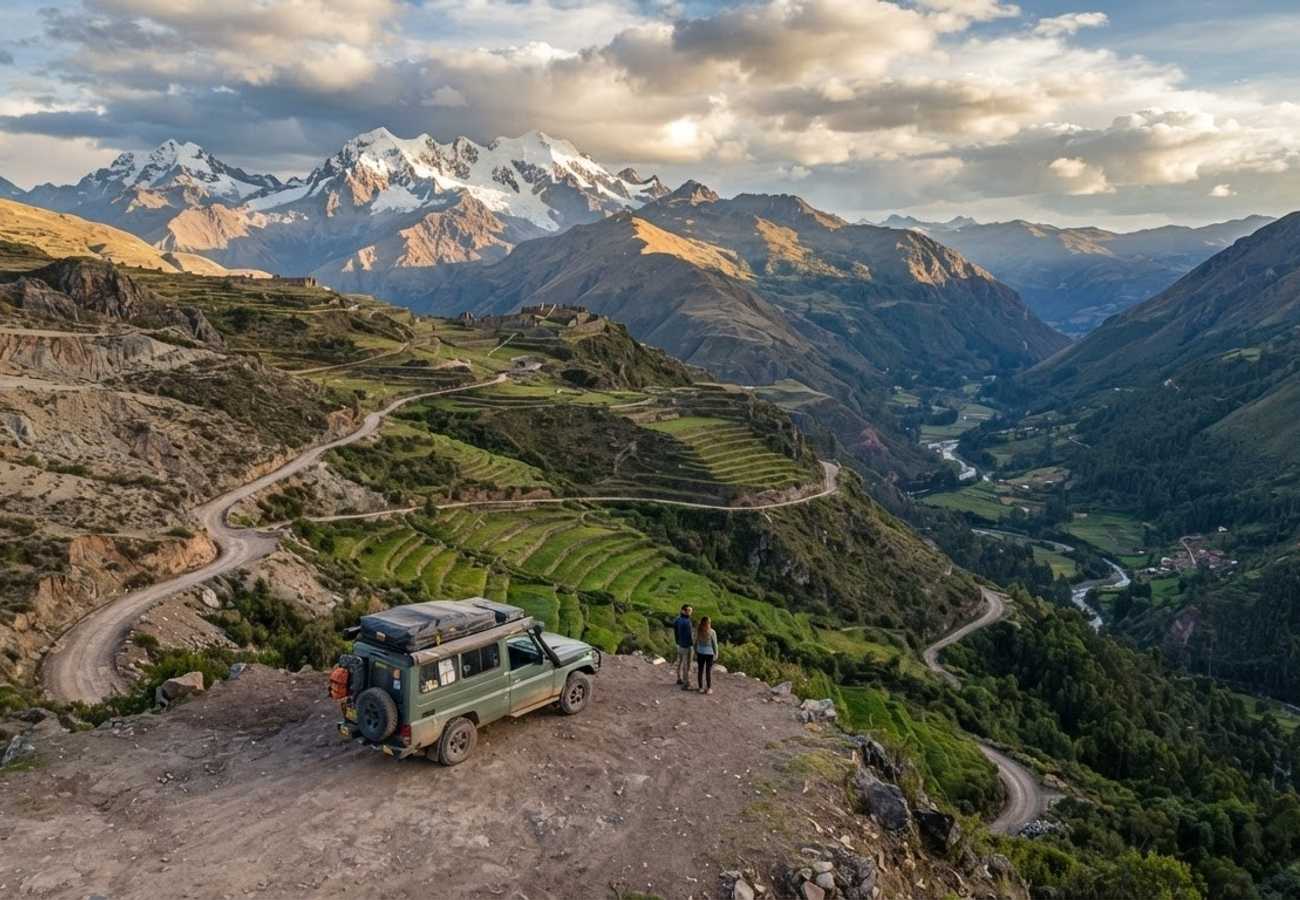
Image generated by AI
South America is aggressively redefining its tourism identity by shifting from "landmark-centric" visits to immersive, active expeditions. From the high-altitude deserts of Chile to the remote Andean villages of Peru, the region is now a primary global hub for experience-led travel.
The continental strategy for 2026 focuses on leveraging extreme geography—mountains, rainforests, glaciers, and deserts—to compete in the global adventure market. While iconic sites remain anchors, the industry is pivoting toward trekking, 4x4 expeditions, rafting, and cycling to increase visitor dwell time and distribute economic benefits across lesser-known regions.
Peru's Strategic Pivot Beyond Machu Picchu
For decades, Peru's international brand has been synonymous with Machu Picchu. However, the 2026 tourism strategy emphasizes a "tri-environment" approach, utilizing the Pacific coastline, the Andean highlands, and the Amazon rainforest to attract a broader demographic of active travelers.
The Andes continue to drive high-altitude trekking and cultural exploration, but the focus is shifting toward nature-based expeditions in the rainforest and unconventional desert experiences. This ambition was highlighted during the AdventureELEVATE Latin America event hosted in Lima in 2026, which gathered global professionals to expand Peru's footprint in the adventure sector.
The Rise of 4x4 Expeditions and Remote Exploration
Industry insights from the Peru Travel Mart 2026—held from May 14 to 16 at the Sheraton Lima Historic Center—reveal a surging demand for non-traditional transport. 4x4 vehicle journeys are replacing standard van tours, allowing travelers to access remote communities and archaeological sites that fall outside conventional circuits.
Promoted routes now connect key hubs such as Lima, Paracas, Ica, and Andahuaylas, eventually leading into the Sacred Valley. These itineraries prioritize cultural depth and personalized immersion over standard sightseeing.
Market Recovery and Access Challenges
While the tourism sector has largely returned to pre-pandemic business levels, growth has been tempered by logistical bottlenecks. A critical vulnerability remains: the accessibility of Machu Picchu.
Because many international visitors view Cusco and Machu Picchu as non-negotiable, difficulties in securing entry permits can lead to cancelled trips and lost revenue for local operators. This underscores the urgency for Peru to successfully market its alternative destinations to decouple its economic stability from a single site.
Regional Adventure Profiles: Chile, Argentina, and Beyond
Peru is not alone in this diversification. Other South American nations are leveraging their unique landscapes to create distinct "adventure identities."
- Chile: Remains a global benchmark by promoting the glaciers and rugged terrains of Patagonia alongside the arid extremes of the Atacama Desert.
- Argentina: Focuses on vast wilderness exploration, combining mountain expeditions with glacial adventures in the south.
- Ecuador: Markets a high-contrast portfolio featuring volcanic landscapes and the biodiversity of the Galápagos Islands.
- Colombia & Brazil: Leverage deep-jungle immersion, with Brazil specifically highlighting the Amazon and the Pantanal wetlands.
- Bolivia: Positions itself through remote Andean landscapes and high-altitude solitude.
South American Adventure Specializations 2026
| Country | Primary Adventure Focus | Key Geographic Assets | Core Activities |
|---|---|---|---|
| Peru | Diversified Cultural Adventure | Andes, Amazon, Pacific Coast | 4x4 Expeditions, High-Altitude Trekking |
| Chile | Extreme Landscapes | Patagonia, Atacama Desert | Glacial Trekking, Desert Exploration |
| Argentina | Wilderness Immersion | Patagonia, Southern Mountains | Glacier Hiking, Wilderness Trekking |
| Ecuador | Biodiversity & Geology | Galápagos, Volcanic Highlands | Nature Expeditions, Volcano Climbing |
| Brazil | Rainforest Exploration | Amazon, Pantanal | Jungle Trekking, Wildlife Observation |
| Colombia | Diverse Ecosystems | Jungles, Andean Ranges | Nature-based Active Travel |
Key Takeaways for Travelers and Operators
- Diversification is Mandatory: The region is moving away from "bucket list" landmarks toward immersive, multi-day active journeys.
- Transport Evolution: 4x4 travel is becoming a preferred method for accessing "off-the-beaten-path" cultural sites in Peru.
- Logistical Risks: Entry restrictions at major sites like Machu Picchu still pose a significant risk to overall tourism sales.
- Regional Competition: South America is positioning itself as a holistic hub where multiple countries offer complementary adventure profiles (e.g., Chile's deserts vs. Brazil's jungles).
Frequently Asked Questions
Is Machu Picchu still the main attraction in Peru? Yes, it remains a primary driver for international demand. However, there is a significant industry push to promote the Amazon, the coast, and remote Andean villages to diversify the visitor experience.
What are 4x4 journeys in Peru? These are specialized tours using off-road vehicles and experienced drivers to visit remote communities and archaeological sites in areas like Andahuaylas and Ica that are inaccessible to standard tour buses.
Which South American countries are best for nature-based adventure? While all offer nature, Chile and Argentina are leaders in glacial and mountain trekking, while Brazil and Colombia excel in rainforest and jungle expeditions.
The shift toward immersive adventure suggests a future where the journey—not just the destination—defines the South American travel experience.
Related Travel Guides
Disclaimer
This article is for informational and educational purposes only. It does not constitute legal, financial, or professional advice. While we strive to provide accurate and up-to-date information, travel policies, regulations, and conditions change rapidly. Always verify information with official sources before making travel decisions. Nomad Lawyer makes no representations about the accuracy, reliability, completeness, or suitability of the information provided. Readers should consult qualified professionals for advice specific to their circumstances. The views expressed in this article are those of the author and do not necessarily reflect the views of Nomad Lawyer.
Preeti Gunjan
Contributor & Community Manager
A passionate traveller and community builder. Preeti helps grow the Nomad Lawyer community, fostering engagement and bringing the reader experience to life.
Learn more about our team →