
North Pacific Island Travel Guide 2026: Palau, Micronesia, Marshall Islands, Kiribati, and Nauru Flight Routes and Adventure Itineraries

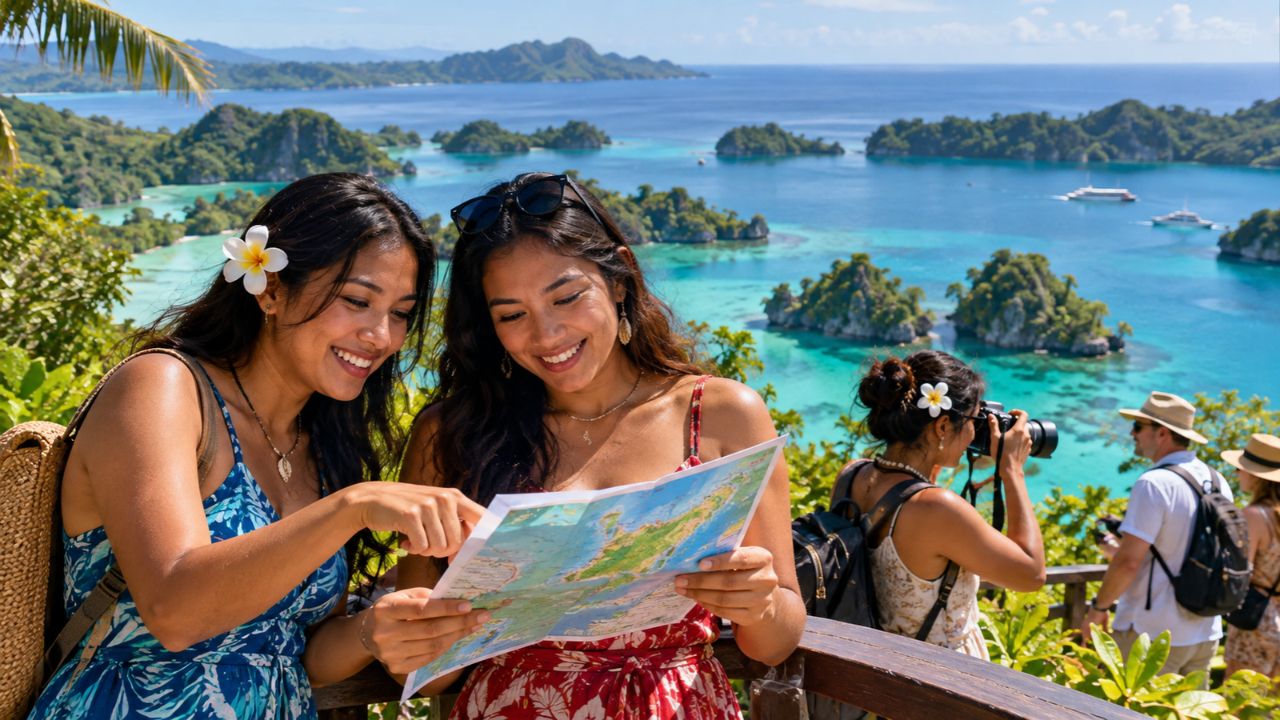
Scattered across millions of square kilometers of open ocean, the five sovereign island nations of the North Pacific host the planet's highest concentration of intact World War II shipwrecks and UNESCO-protected coral atolls, yet receive fewer annual visitors combined than a single Caribbean resort town. For decades, navigating between Palau, the Federated States of Micronesia (FSM), the Republic of the Marshall Islands (RMI), Kiribati, and Nauru required complex multi-stop island hopper flights and fragmented local bookings that kept these equatorial archipelagos off mainstream travel maps.
That isolation is transforming through a dedicated regional tourism initiative backed by Pacific Trade Invest Australia and the Australian Government's Australia-Pacific Partnerships for Aviation (P4A) programme. By aligning specialized operator products with direct air links—including the North Pacific Connector and the Palau–Paradise Express—the initiative provides adventurous travelers with structured, bookable pathways into the Pacific's most pristine frontiers.
Unlocking the North Pacific: The 2026 Tourism Expansion Strategy
Destination marketing specialist Ben Urquhart, appointed as Senior North Pacific Tourism Advisor by PTI Australia, is leading efforts to bridge the gap between remote island operators and international travel distribution networks. Bringing 14 years of specialized experience across the Pacific, Australian, and New Zealand tourism sectors—including heading the Vanuatu Tourism Office in Australia and managing Austrade-supported programmes for Tourism Central Australia—Urquhart is working alongside five national tourism offices to build market-ready packaging.
The core objective centers on building practical booking mechanisms for experiences that independent travelers previously struggled to secure:
- Aviation and Route Synchronization: Aligning remote dive liveaboards, surf charters, and outer-atoll homestays with flight rotations on the North Pacific Connector and Palau–Paradise Express routes.
- Product Packaging: Standardizing booking terms and payment gateways for small-scale local operators across Koror, Pohnpei, Chuuk, Majuro, Tarawa, and Yaren.
- Digital Trade Readiness: Expanding PTI Australia’s Digital Tourism Program and Treasures of the South Pacific trade training to equip boutique lodges with direct reservation platforms.
What Makes the North Pacific Islands Extraordinary
Each of these five island nations presents a distinct cultural identity and marine environment, shaped by traditional navigation heritage, colonial crossroads, and dramatic ocean geography:
Palau: Marine Conservation and Limestone Labyrinths
Palau is world-renowned for its Rock Islands Southern Lagoon, inscribed on the UNESCO World Heritage List for both its marine biodiversity and ancient stone village ruins. From drift diving through Blue Corner and traversing the world's first shark sanctuary to swimming among non-stinging golden jellyfish in Jellyfish Lake, Palau represents the gold standard for global conservation-first tourism.
Federated States of Micronesia: Megalithic Ruins and Ghost Fleets
FSM spans four distinct island states: Yap, Chuuk, Pohnpei, and Kosrae. Chuuk Lagoon remains the undisputed wreck diving capital of the world, where more than 50 sunken Japanese naval vessels and aircraft from 1944 rest in clear tropical waters. On Pohnpei, travelers can explore Nan Madol, a mysterious ancient city built atop 92 artificial islets using megalithic columnar basalt.
Republic of the Marshall Islands: Outer Atoll Surfing and Bikini Lagoon
The Marshall Islands encompass 29 coral atolls and over 1,100 individual islands. Majuro serves as the gateway to pristine outer atolls like Arno and Bikini Atoll, where deep-water historical wreck expeditions sit alongside uncrowded reef passes offering world-class open-ocean surfing.
Kiribati: Fly Fishing and Vast Equatorial Ocean
Straddling both the equator and the International Date Line across three island groups (Gilbert, Phoenix, and Line Islands), Kiribati is home to Kiritimati (Christmas Island). It ranks as the planet's premier saltwater fly-fishing destination for giant trevally and bonefish, set within the colossal Phoenix Islands Protected Area.
Nauru: The Compact Pacific Outlier
Nauru, the world's smallest independent island republic, spans just 21 square kilometers. Visitors circling the island's single ring road discover dramatic central pinnacles left by historical phosphate mining, tranquil swimming spots at Anibare Bay, and remnant World War II coastal artillery emplacements.
Visitor Insider Tips for Exploring the Region
- Route Planning and Flight Banks: Island-hopper flight schedules operate on fixed weekly rotations. Build minimum two-to-three-day buffer windows when connecting between regional hubs like Brisbane, Manila, Guam, or Nadi, as trans-Pacific weather delays can alter domestic legs.
- Cash and Local Currency: The US Dollar (USD) is the official currency in Palau, the Federated States of Micronesia, and the Marshall Islands. Kiribati and Nauru utilize the Australian Dollar (AUD). Credit card processing outside major hotels in Koror or Majuro is virtually nonexistent; carry adequate cash in small denominations.
- The Palau Pledge Requirement: Upon arrival at Roman Tmetuchl International Airport in Palau, every visitor must sign the passport-stamped Palau Pledge, legally committing to act as an environmental steward. Strictly avoid touching coral, take all trash back to main islands, and apply only reef-safe sunscreen compliant with national legislation.
- Navigating Land Rights and Custom Fees: In Micronesia and the Marshall Islands, reefs, beaches, and historic ruins are owned by traditional clans. Always ask permission and pay the modest local land-access fee (usually 3 to 10 USD) before swimming, hiking, or photographing private coastal areas.
- Pack Specialized Gear: Scuba spares, specialized fishing tackle, reef booties, and prescription medications cannot be reliably purchased on outer atolls. Carry complete redundancy for dive computers, regulators, and marine safety essentials.
Cultural and Environmental Context
The North Pacific nations stand at the frontline of global climate change, facing sea-level rise, ocean acidification, and severe coastal erosion. Responsible tourism plays a vital role in providing alternative economic income to communities that have traditionally relied on commercial fishing licenses and agricultural exports.
By funneling traveler spending directly into local communities—from traditional boat skippers in Chuuk to village guesthouses on Pohnpei—the packaging programme helps preserve age-old navigational and fishing practices. These initiatives support sustainable, community-led conservation without overcrowding fragile atoll ecosystems.
FAQ: Visiting North Pacific Islands 2026
What is the best time of year to visit the North Pacific?
The dry season between December and April provides the calmest ocean conditions, lowest rainfall, and clearest underwater visibility for diving and maritime expeditions across Palau, Micronesia, and the Marshall Islands.
Do Australian and international travelers need visas for these island nations?
Most travelers, including Australian, US, UK, and European passport holders, receive visa-free entry or tourist visas on arrival valid for 30 to 90 days across Palau, FSM, and the Marshall Islands, provided they hold onward tickets.
How do I travel between the different North Pacific island countries?
Aviation connectivity is anchored by regional routes including the North Pacific Connector, Palau–Paradise Express, and island-hopper services connecting through Brisbane, Fiji, Manila, or Guam.
Is specialized dive certification required for Chuuk Lagoon?
While novice divers can enjoy shallow reef wrecks, advanced open water certification, deep diving endorsements, and Nitrox/technical training are highly recommended to safely explore Chuuk Lagoon's deep cargo holds.
In the vast quiet of the North Pacific, the world's most remote waters reveal that true adventure begins where conventional travel routes end.
Related Travel Guides
Disclaimer
This article is for informational and educational purposes only. It does not constitute legal, financial, or professional advice. While we strive to provide accurate and up-to-date information, travel policies, regulations, and conditions change rapidly. Always verify information with official sources before making travel decisions. Nomad Lawyer makes no representations about the accuracy, reliability, completeness, or suitability of the information provided. Readers should consult qualified professionals for advice specific to their circumstances. The views expressed in this article are those of the author and do not necessarily reflect the views of Nomad Lawyer.
Kunal K Choudhary
Co-Founder & Contributor
A passionate traveller and tech enthusiast. Kunal contributes to the vision and growth of Nomad Lawyer, bringing fresh perspectives and driving the community forward.
Learn more about our team →