South Africa Tourism Hackathon 2026: Patricia de Lille Targets Rural Digital Inclusion

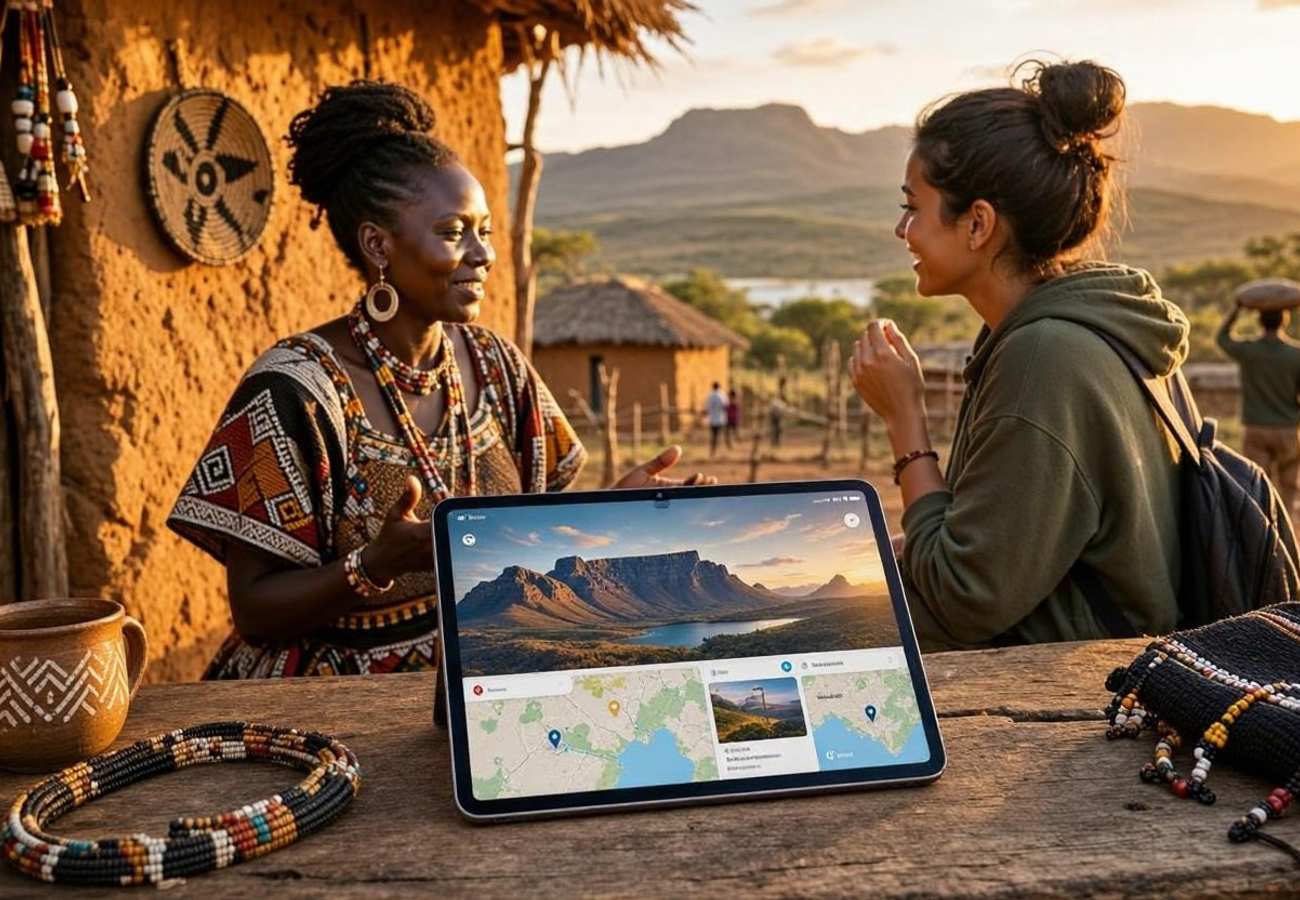
Image generated by AI
50 students from public and private universities are currently developing the technological infrastructure required to bridge the digital divide for South Africa's rural and township tourism sectors. Launched by Tourism Minister Patricia de Lille at the University of Cape Town (UCT), the 2026/27 Tourism Hackathon Challenge represents a shift from theoretical academic exercise to practical economic intervention. The goal is to move community-based operators from the margins of the travel industry into the center of the digital booking and payment ecosystem.
The Digital Divide in Community-Based Tourism
The current South African tourism market is bifurcated. While established commercial hubs utilize sophisticated global distribution systems, rural and township-based enterprises often lack the visibility required to attract international and domestic travelers. The 2026/27 challenge specifically targets this gap, building upon the foundation of the 2025 G20 Tourism Hackathon.
The initiative recognizes that travel discovery is now almost exclusively digital. For a homestay in a rural village or a local guide in a township to survive, they must move beyond word-of-mouth referrals. The government's strategy involves utilizing "design thinking" and financial technology (FinTech) to create tools that are accessible to operators who may have limited technical literacy but possess high-value cultural products.
Technical Focus Areas and Implementation Data
The hackathon is not seeking generic apps but specific solutions for three high-friction areas of the traveler journey: discovery, reservation, and settlement. The partnership with the University of Cape Town provides a three-year strategic framework to ensure these prototypes transition into scalable business tools.
| Innovation Focus | Target Application | Intended Outcome |
|---|---|---|
| Digital Booking Systems | Local guides, homestays, village tours | Integration into digital travel planning cycles |
| Virtual Tourism | Lesser-known rural destinations | Increased visibility via immersive pre-visit previews |
| Electronic Payments | Township entrepreneurs | Simplified financial transactions and reduced cash reliance |
| Market Access Tools | Community-based tourism (CBT) | Direct connection between rural hosts and global guests |
Expert Analysis: The Economics of Digital Visibility
For travelers booking South African journeys, the direct consequence of this initiative will be a significant expansion of "off-the-beaten-path" inventory. Currently, many high-quality rural experiences are invisible to the average user of platforms like Expedia or Booking.com because the operators lack the digital interface to list their services.
The pricing pressure created by this shift is twofold. First, by removing the "middleman" agency that often manages rural tours, the cost for the traveler may decrease while the profit for the local operator increases. Second, the introduction of standardized electronic payments reduces the logistical friction and security concerns associated with cash-heavy rural travel.
From a regulatory standpoint, this aligns with the World Tourism Organization (UNWTO) guidelines on sustainable and inclusive growth. By linking this hackathon to the Tourism Growth Partnership Plan, the South African government is treating digital access as a legal and economic right for small-scale entrepreneurs. The success of this program depends entirely on the "last mile" of implementation—whether a rural operator in a remote province can actually maintain the hardware and connectivity required to use these new tools.
Key Takeaways
- Targeted Inclusion: 50 students are creating prototypes specifically for rural and township tourism to eliminate the digital gap.
- Strategic Partnership: A three-year agreement with the University of Cape Town integrates FinTech and entrepreneurship into tourism development.
- Core Technologies: The focus is on virtual tours for destination marketing, online reservation tools, and electronic payment systems.
- Economic Alignment: The project is a pillar of the Tourism Growth Partnership Plan, aiming to link job creation with digital product development.
- User-Centric Design: Prototypes are being developed through direct feedback from local operators to ensure real-world applicability.
FAQ: South Africa Digital Tourism 2026
How will the 2026 Tourism Hackathon affect international travelers? Travelers will likely see a surge in available, bookable rural and township experiences that were previously only accessible through specialized agencies, offering more authentic and diverse itinerary options.
What is the goal of the Tourism Growth Partnership Plan? It is a strategic framework designed to increase the economic contribution of tourism through product development, job creation, and the digital empowerment of small-scale operators.
Why is the University of Cape Town involved in this initiative? UCT provides the academic and technical expertise in design thinking and financial technology necessary to turn student ideas into viable commercial tools for rural businesses.
Will these digital tools make rural travel safer? Yes, by implementing electronic payment systems and verified digital booking platforms, the initiative reduces the risks associated with cash transactions and unverified bookings in remote areas.
The transition from a cash-based rural economy to a digital tourism ecosystem is the only way to ensure South Africa's cultural wealth becomes an economic reality.
Related Travel Guides
This article is for informational purposes. Flight routes, passenger regulations, visa rules, and transit advisories are subject to change by airlines and aviation authorities. Readers are advised to verify schedules and travel documentation with relevant carriers and border agencies before departure.
Related Stories
Ireland Narrow Water Bridge Construction Forces Risky Carlingford Lough Greenway Detours in 2026

Hyatt Appoints Xavier Destribats to Lead Hôtel du Palais Biarritz Amid Loss of Palace Status 2026