
South Africa Severe Winter Storm 2026: Snow and Flooding Disrupt Travel in Eastern Cape and KwaZulu-Natal
A powerful winter storm system is causing widespread travel disruptions across South Africa, with Orange Level 6 snow warnings in the Eastern Cape and hazardous marine conditions in KwaZulu-Natal.

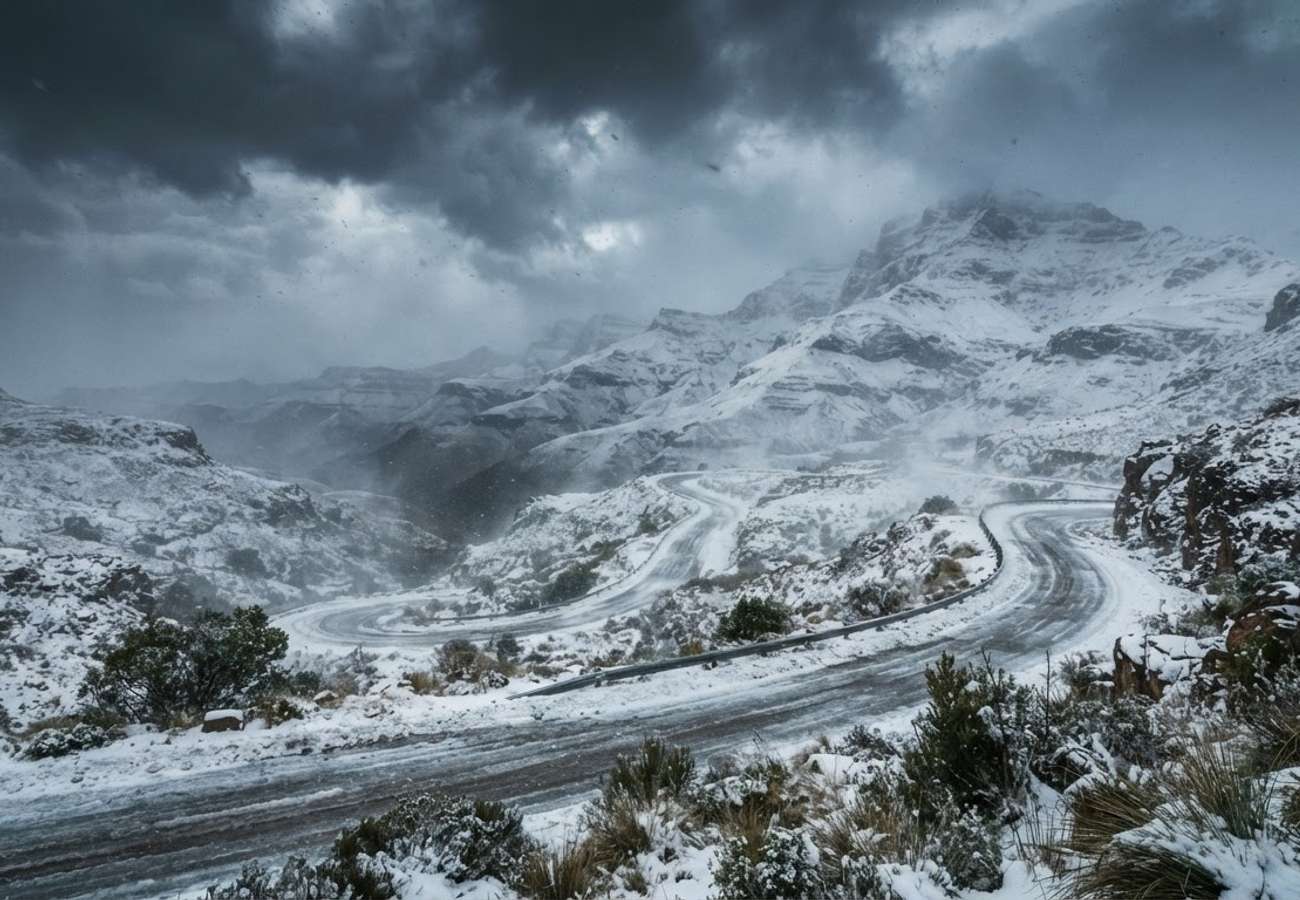
Image generated by AI
Severe winter weather is currently paralyzing transport networks across multiple South African provinces. Heavy snowfall, damaging winds, and flash flooding are creating hazardous conditions for both domestic and international travelers.
A complex weather system, combining a cold front and a cut-off low-pressure system, is impacting the region from Monday, August 11, into Tuesday. The South African Weather Service (SAWS) has issued a series of high-impact warnings that threaten rural accessibility, mountain passes, and coastal tourism operations.
Regional Impact Breakdown
The disruption is concentrated in the eastern and southern regions, though the broader system extends across the Free State, Western Cape, Northern Cape, southern Gauteng, Mpumalanga, and parts of the North West.
Eastern Cape: High-Impact Snowfall An Orange Level 6 warning—indicating a high-impact event—is in effect for disruptive snowfall.
- Affected Districts: Chris Hani District, Senqu, Elundini, and Matatiele.
- Primary Risks: Blocked mountain routes, reduced visibility, and the temporary isolation of high-elevation rural communities.
- Transport Impact: Significant delays on scenic routes and mountain passes due to ice and snow accumulation.
KwaZulu-Natal: Marine and Coastal Hazards A Yellow Level 4 warning has been issued for severe winds and rough seas.
- Primary Risks: Hazardous conditions near rocky shorelines and waterfronts; risk of flying debris.
- Transport Impact: Potential cancellations of boat tours, fishing excursions, and disruptions to harbor operations.
Flooding and Precipitation Zones Heavy rainfall is triggering localized flooding risks in specific coastal and rural hubs.
- Critical Areas: Nyandeni, Port St Johns, Ingquza Hill, and Bizana.
- Transport Impact: Potential closure of bridges and regional roads in low-lying areas where drainage is limited.
Passenger Rights & Travel Advisory
For the affected passenger, this weather system introduces significant volatility into travel itineraries. Our analysis of aviation and transport policies suggests the following actionable steps:
Flight Disruptions and Rebooking While major international hubs are not currently facing nationwide shutdowns, regional connections may be impacted. If your flight is canceled or significantly delayed due to this storm:
- Duty of Care: Under standard aviation guidelines, airlines are generally required to provide communication and refreshments during long delays.
- Rebooking: Request the earliest available alternative flight. If the airline cannot provide a timely alternative, you may be entitled to a full refund for the unused portion of your ticket.
- Force Majeure: Be aware that severe weather is often classified as an "extraordinary circumstance," which may exempt airlines from paying fixed financial compensation (such as EU261 for flights departing from the EU), though the obligation to rebook or refund remains.
Road Travel and Car Rentals
- Rental Liability: Check your rental agreement regarding "off-road" or "hazardous condition" driving. Some insurance policies are voided if a vehicle is driven into known flood zones or on roads closed by authorities.
- Safety Protocol: If traveling through the Eastern Cape or KwaZulu-Natal, verify road status via local provincial transport departments before departure. Emergency response times in remote areas are currently extended.
Industry Analyst View
This event underscores the increasing vulnerability of South Africa's seasonal tourism infrastructure to extreme weather volatility. The simultaneous occurrence of Level 6 snow warnings and Level 4 marine alerts creates a "compound disruption" effect, where travelers cannot easily divert from road to sea or vice versa.
The concentration of impact in the Eastern Cape's mountainous regions suggests a short-term contraction in winter adventure tourism. However, the broader economic impact will depend on the speed of road clearance in the Chris Hani and Senqu districts, as these are vital conduits for both agricultural logistics and tourist movement.
Stay vigilant and monitor SAWS updates for real-time changes in warning levels.
Related Travel Guides
Disclaimer
This article is for informational and educational purposes only. It does not constitute legal, financial, or professional advice. While we strive to provide accurate and up-to-date information, travel policies, regulations, and conditions change rapidly. Always verify information with official sources before making travel decisions. Nomad Lawyer makes no representations about the accuracy, reliability, completeness, or suitability of the information provided. Readers should consult qualified professionals for advice specific to their circumstances. The views expressed in this article are those of the author and do not necessarily reflect the views of Nomad Lawyer.
Kunal K Choudhary
Co-Founder & Contributor
A passionate traveller and tech enthusiast. Kunal contributes to the vision and growth of Nomad Lawyer, bringing fresh perspectives and driving the community forward.
Learn more about our team →