
Turkish Airlines in Advanced Talks to Acquire Up to 10 Used Airbus A320s From Defunct Spirit Airlines Fleet
Breaking airline news and aviation industry updates for 2026.

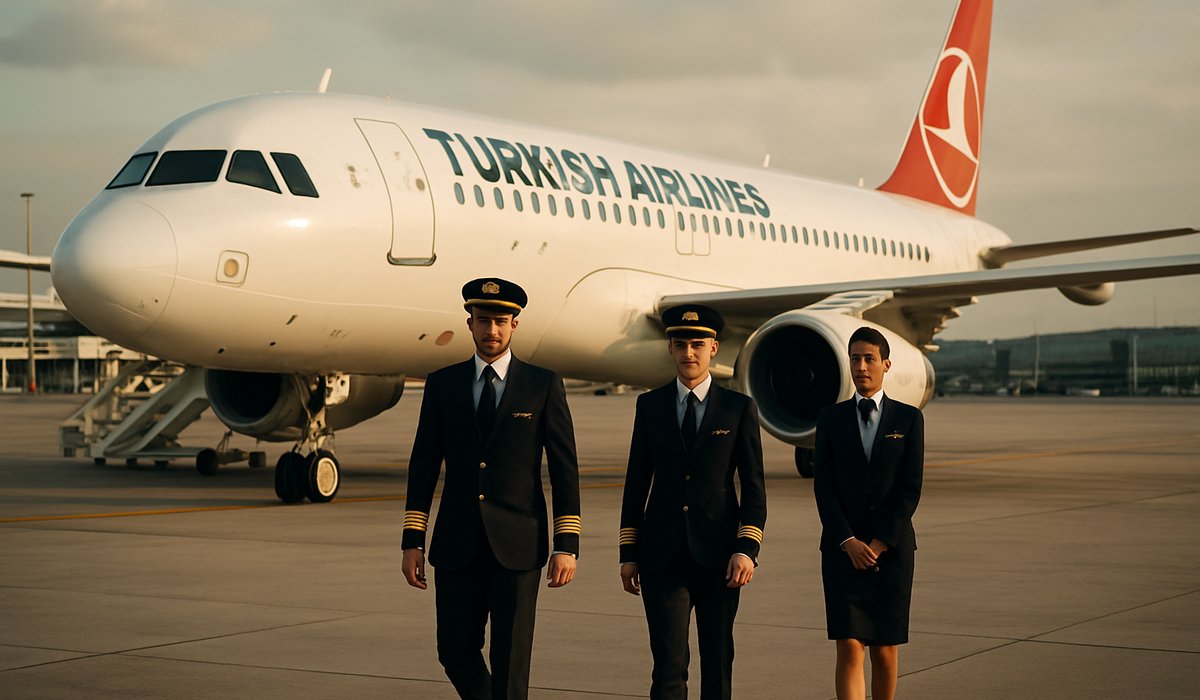
Image generated by AI
Turkish Airlines in Advanced Talks to Acquire Up to 10 Used Airbus A320s From Defunct Spirit Airlines Fleet
Strategic aircraft acquisition could accelerate carrier's expansion amid global supply chain delays
Turkish Airlines is pursuing a significant fleet expansion through the secondary market, with company leadership confirming negotiations to acquire between seven and ten pre-owned Airbus A320 aircraft currently held in Spirit Airlines' inventory following the U.S. budget carrier's collapse.
Critical Capacity Gap Drives Acquisition Strategy
The move underscores a widening challenge across the global aviation industry: manufacturers cannot deliver new aircraft quickly enough to meet soaring post-pandemic demand. Turkish Airlines Chairman Murat Şeker disclosed the airline's interest to the Financial Times, signaling that purchasing used, flight-ready jets offers an immediate remedy to capacity constraints.
New aircraft orders from Airbus and Boeing typically involve multi-year waiting periods, with some carriers facing delivery schedules extending five to seven years into the future. For rapidly expanding carriers like Turkish Airlines—which has aggressively pursued market growth across Europe, Asia, and Africa—acquiring young, well-maintained aircraft provides critical breathing room.
Spirit Airlines' Liquidation Creates Opportunity
The potential transaction emerges from Spirit Airlines' dramatic financial collapse in late 2024, leaving its modern aircraft inventory available for acquisition. The low-cost carrier's fleet of A320-family jets—among the aviation industry's most versatile and widely-operated narrow-body aircraft—represents valuable assets in a supply-constrained market.
Turkish Airlines' interest reflects broader industry dynamics where secondary-market aircraft have become increasingly attractive. Rather than waiting years for factory-fresh deliveries, carriers are turning to used inventory to bridge capacity gaps and capitalize on strong travel demand and elevated air fares.
Strategic Implications for Turkish Expansion
Turkish Airlines, Europe's largest carrier by passenger volume and a key player in connecting Eastern and Western markets, has positioned itself for aggressive growth. Acquiring these A320 aircraft would bolster its regional and short-haul capabilities while allowing the airline to maintain competitive scheduling across its expanding route network.
The airline industry continues grappling with supply chain pressures that have persisted since 2021. While aircraft production has gradually increased, demand from recovering and expanding carriers far outpaces manufacturing capacity. This imbalance has elevated used-aircraft valuations and intensified competition among airlines seeking to expand their fleets.
Market Context
Turkish Airlines' pursuit of used aircraft reflects a trend reshaping aviation's capital expenditure strategies. Established carriers and emerging players increasingly recognize that purchasing quality pre-owned inventory—especially from recently defunct competitors—offers financial flexibility and operational agility that long-delayed new orders cannot provide.
The transaction, if finalized, would represent a strategic victory for Turkish Airlines while demonstrating how airline failures create unexpected opportunities within the sector's complex ecosystem.
FAQ: Airline Fleet Acquisitions and Aviation Industry Trends
Why are airlines buying used aircraft instead of ordering new ones? Global aircraft manufacturers face severe production backlogs, with delivery times extending 5-7 years. Used aircraft provide immediate capacity, allowing carriers to respond quickly to market demand without prolonged waiting periods.
What happened to Spirit Airlines' fleet? Spirit Airlines ceased operations following severe financial distress, leaving its modern Airbus A320 aircraft available for acquisition by other carriers at potentially favorable valuations.
How do aircraft acquisitions affect airline fees and ticket prices? Increased fleet capacity typically allows carriers to add routes and flights, potentially moderating fares through competitive pressure, though fuel costs and operational expenses remain primary price drivers.
Why is the Airbus A320 particularly valuable in secondary markets? The A320 is the world's best-selling narrow-body aircraft with standardized parts, extensive maintenance networks, and proven reliability, making it attractive for carriers worldwide.
How does Turkish Airlines' expansion impact European aviation? As Europe's largest carrier, Turkish Airlines' growth strengthens competition on international routes, potentially benefiting consumers while intensifying competition for legacy European carriers.
Related Travel Guides
Disclaimer
This article is for informational and educational purposes only. It does not constitute legal, financial, or professional advice. While we strive to provide accurate and up-to-date information, travel policies, regulations, and conditions change rapidly. Always verify information with official sources before making travel decisions. Nomad Lawyer makes no representations about the accuracy, reliability, completeness, or suitability of the information provided. Readers should consult qualified professionals for advice specific to their circumstances. The views expressed in this article are those of the author and do not necessarily reflect the views of Nomad Lawyer.
Preeti Gunjan
Contributor & Community Manager
A passionate traveller and community builder. Preeti helps grow the Nomad Lawyer community, fostering engagement and bringing the reader experience to life.
Learn more about our team →