
American Airlines Under Fire After Elite Frequent Flyer Discovers Used Condom in Seat During Cross-Country Flight
Breaking airline news and aviation industry updates for 2026.

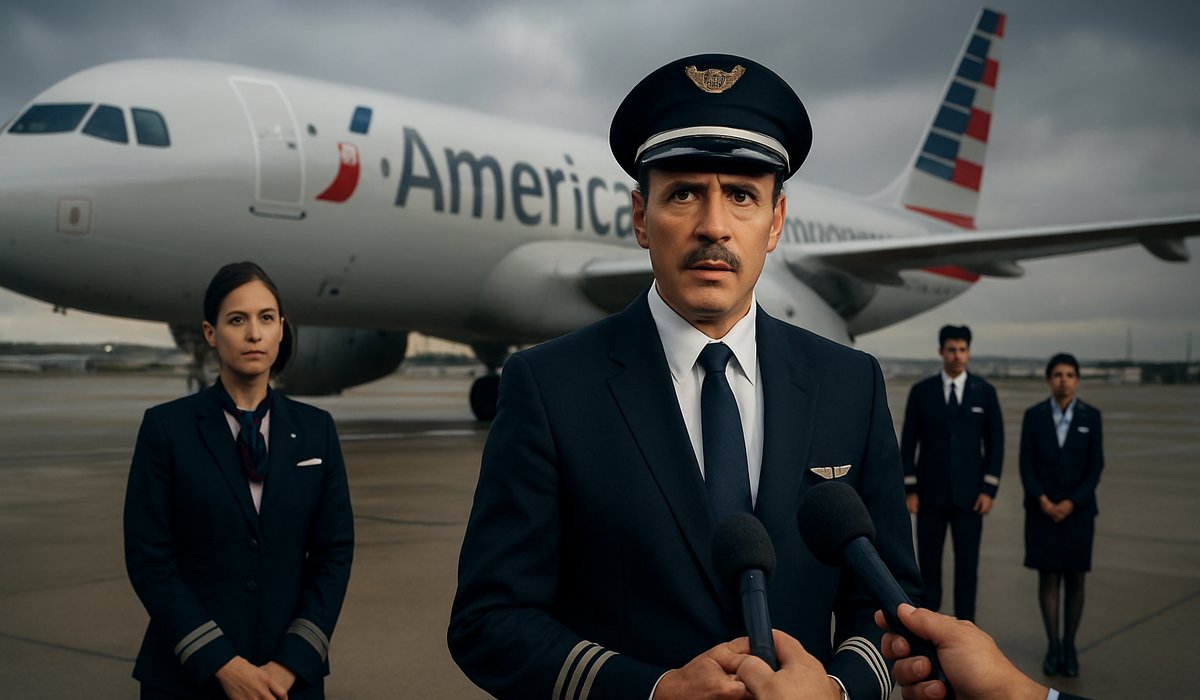
Image generated by AI
American Airlines Under Fire After Elite Frequent Flyer Discovers Used Condom in Seat During Cross-Country Flight
Hygiene incident raises fresh questions about aircraft cabin cleanliness standards across the aviation industry
A two-decade-long American Airlines loyalty relationship faces serious strain after a platinum-tier frequent flyer encountered deeply unsanitary conditions aboard a domestic service this week. The passenger, identified as Paul Franklin, discovered a used condom and its packaging lodged between seat cushions on a flight connecting Phoenix Sky Harbor International Airport to El Paso, triggering immediate crew intervention and raising urgent questions about aircraft sanitation protocols.
The Incident and Immediate Response
Franklin's troubling discovery occurred during what should have been a routine regional flight. Upon locating the item, cabin crew responded swiftly—a flight attendant, exercising appropriate safety precautions with protective gloves, removed both the condom and its wrapper from the seat. The incident was documented and reported to American Airlines management during the flight.
The situation underscores mounting concerns within the aviation industry regarding deep-cleaning practices and turnaround procedures between flights, particularly as carriers operate increasingly tight scheduling to maximize operational efficiency.
Broader Industry Implications for Aircraft Cleanliness
The incident arrives at a critical moment for airline reputation management. Following post-pandemic travel surges, carriers worldwide have faced recurring criticism over cabin hygiene standards. Airlines typically allocate 15-45 minutes between flights for cleaning crews to sanitize lavatories, wipe down surfaces, and remove debris—a timeframe industry analysts argue is increasingly insufficient given higher passenger volumes.
American Airlines, like most major U.S. carriers, employs contracted ground services to handle aircraft sanitation. The discovery suggests potential gaps in quality control or training protocols for cleaning staff, particularly regarding thorough inspection of seat components.
American Airlines' Response
The Fort Worth-based carrier confirmed awareness of the incident and stated it takes cleanliness standards seriously. A spokesperson indicated that the airline has launched an internal investigation and reached out directly to Franklin to address his concerns. However, specific details regarding disciplinary actions or enhanced cleaning procedures have not been publicly disclosed.
Franklin's two-decade status as an elite frequent flyer—representing significant lifetime customer value—makes his experience particularly damaging for the airline's premium customer retention efforts.
What This Means for Travelers
This incident reinforces recommendations from travel health experts advising passengers to inspect seat cushions and crevices before settling in, carry sanitizing wipes, and report hygiene concerns immediately to crew members. Industry observers suggest that as airlines continue cost-cutting measures affecting ground operations, passengers should expect ongoing cleanliness variability across the sector.
The case also reignites debate over whether airlines should extend turnaround times or invest additional resources in cabin sanitation—a trade-off that directly impacts operational costs and, potentially, ticket prices.
FAQ
What are airlines' typical cabin cleaning procedures between flights? Most carriers allocate 15-45 minutes for turnaround cleaning, including lavatory sanitation, trash removal, and surface wiping. However, industry experts argue this timeframe is often insufficient for thorough deep-cleaning, particularly on high-capacity routes.
Who is responsible for aircraft sanitation at major carriers like American Airlines? Airlines typically contract specialized ground service companies to handle cabin cleaning. American Airlines uses contracted partners, making quality control and staff training critical accountability factors.
What should passengers do if they discover unsanitary conditions on a flight? Passengers should immediately notify a flight attendant and request documentation of the report. Escalating complaints through airline customer service and loyalty programs increases likelihood of investigation and compensation.
Are cleanliness standards regulated by aviation authorities? The FAA sets general sanitation guidelines, but enforcement and specific protocols vary by airline. Post-pandemic, regulators have increased scrutiny, though standardized cleaning benchmarks remain limited.
How can travelers protect themselves from aircraft hygiene issues? Experts recommend inspecting seat areas before sitting, using hand sanitizer regularly, carrying sanitizing wipes, and avoiding touching high-contact surfaces unnecessarily.
Related Travel Guides
Flight Delay Compensation Guide 2026
Understanding Airline Route Changes
Airport Security Process Updated (2026)
External Resources
Disclaimer
This article is for informational and educational purposes only. It does not constitute legal, financial, or professional advice. While we strive to provide accurate and up-to-date information, travel policies, regulations, and conditions change rapidly. Always verify information with official sources before making travel decisions. Nomad Lawyer makes no representations about the accuracy, reliability, completeness, or suitability of the information provided. Readers should consult qualified professionals for advice specific to their circumstances. The views expressed in this article are those of the author and do not necessarily reflect the views of Nomad Lawyer.
Kunal K Choudhary
Co-Founder & Contributor
A passionate traveller and tech enthusiast. Kunal contributes to the vision and growth of Nomad Lawyer, bringing fresh perspectives and driving the community forward.
Learn more about our team →