
United Airlines Retires Wide-Body Service on San Diego-Washington Route, Shifts to Boeing 757
Breaking airline news and aviation industry updates for 2026.

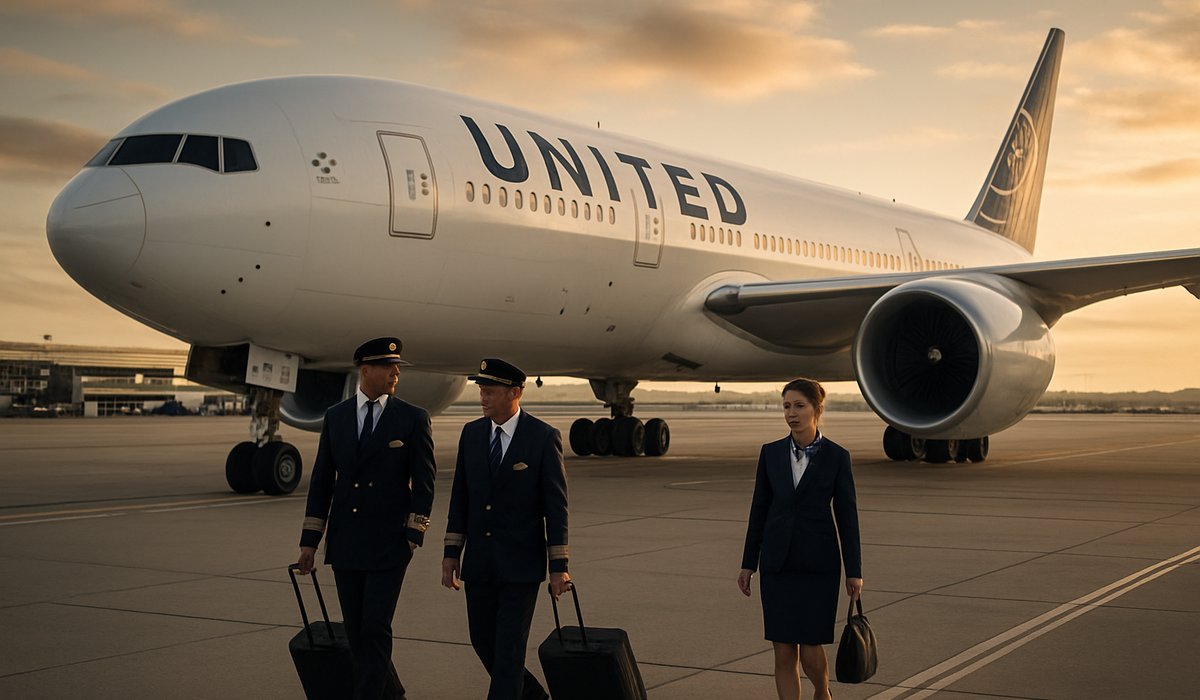
Image generated by AI
United Airlines Retires Wide-Body Service on San Diego-Washington Route, Shifts to Boeing 757
The carrier's decision marks the end of an era for premium transcontinental travel from California's second-largest airport
Major Fleet Shift Signals Changing Priorities for Transcontinental Routes
United Airlines is fundamentally reshaping its service structure on the San Diego-Washington Dulles corridor, announcing a permanent retirement of its Boeing 777-200 wide-body aircraft from the route starting this September. The carrier will instead deploy the narrowbody Boeing 757-200, marking a significant operational and capacity restructuring on what was once a unique premium offering in the transcontinental market.
The shift represents a critical juncture in United's fleet strategy, as the 777-200—which seats significantly more passengers in a wider cabin—will be redeployed to other high-demand routes where the carrier can maximize revenue opportunities. The decision effectively ends United's monopoly as the only U.S. carrier regularly operating a wide-body jet on transcontinental flights departing San Diego International Airport (SAN).
Strategic Repositioning Amid Industry Pressures
The withdrawal follows United's original removal of the 777-200 from the SAN-IAD route approximately one year ago, though the carrier initially maintained tentative plans for potential redeployment. The permanence of this decision underscores shifting priorities within the aviation industry, where carriers are increasingly evaluating fuel efficiency and seat-mile economics on established routes.
While the airline is abandoning wide-body operations on this specific corridor, the company is compensating by introducing lie-flat business-class seating on the replacement 757-200 aircraft. This move enables United to preserve premium product differentiation despite the reduction in overall cabin space, allowing the carrier to maintain competitive positioning in the lucrative business-travel segment that dominates transcontinental demand.
Implications for San Diego's Air Service
The reconfiguration reflects broader trends in aviation economics, where narrowbody jets with advanced cabin products have increasingly supplanted traditional wide-body aircraft on domestic transcontinental routes. For passengers departing San Diego, the transition means reduced available economy seats but enhanced business-class amenities on what remains a convenient direct service to the Washington, D.C. region.
This repositioning demonstrates how airlines are optimizing fleet deployment in response to evolving market conditions, including volatile jet fuel prices and shifting consumer demand patterns in the post-pandemic travel environment.
FAQ: Airline Fleet Changes and Transcontinental Travel
Why is United removing the Boeing 777 from the San Diego-Washington route? United is reallocating its wide-body 777-200 fleet to higher-demand international and premium domestic routes where the larger aircraft generates superior revenue potential. Narrowbody 757s with modern amenities offer more flexible economics on this specific corridor.
Will passengers still have premium seating options on this route? Yes. United is introducing lie-flat business-class beds on its replacement 757-200 aircraft, maintaining premium product offerings despite the aircraft downsize.
What does this mean for economy passengers? The 757 carries fewer total seats than the 777, potentially resulting in reduced economy availability and potentially higher fares for standard cabin passengers on this route.
How do airline fleet decisions impact ticket prices? Capacity reductions typically increase competition for available seats, potentially raising fares—particularly during peak travel periods. Airline fees for baggage, seat selection, and other ancillary services may also shift based on fleet economics.
Is this trend happening across the industry? Yes. Multiple U.S. carriers have shifted away from wide-body aircraft on domestic transcontinental routes in favor of fuel-efficient narrowbodies with premium cabin products, reflecting evolving aviation economics.
Related Travel Guides
Flight Delay Compensation Guide 2026
Understanding Airline Route Changes
Airport Security Process Updated (2026)
External Resources
Disclaimer
This article is for informational and educational purposes only. It does not constitute legal, financial, or professional advice. While we strive to provide accurate and up-to-date information, travel policies, regulations, and conditions change rapidly. Always verify information with official sources before making travel decisions. Nomad Lawyer makes no representations about the accuracy, reliability, completeness, or suitability of the information provided. Readers should consult qualified professionals for advice specific to their circumstances. The views expressed in this article are those of the author and do not necessarily reflect the views of Nomad Lawyer.
Raushan Kumar
Founder & Lead Developer
Full-stack developer with 11+ years of experience and a passionate traveller. Raushan built Nomad Lawyer from the ground up with a vision to create the best travel and law experience on the web.
Learn more about our team →