
Water Thailand World: Songkran Festival Kicks Off April 13
Thailand's Songkran Festival begins April 13, 2026, transforming cities into the world's largest water fight celebration. This three-week festival draws millions seeking cultural immersion and unforgettable aquatic festivities across the nation.

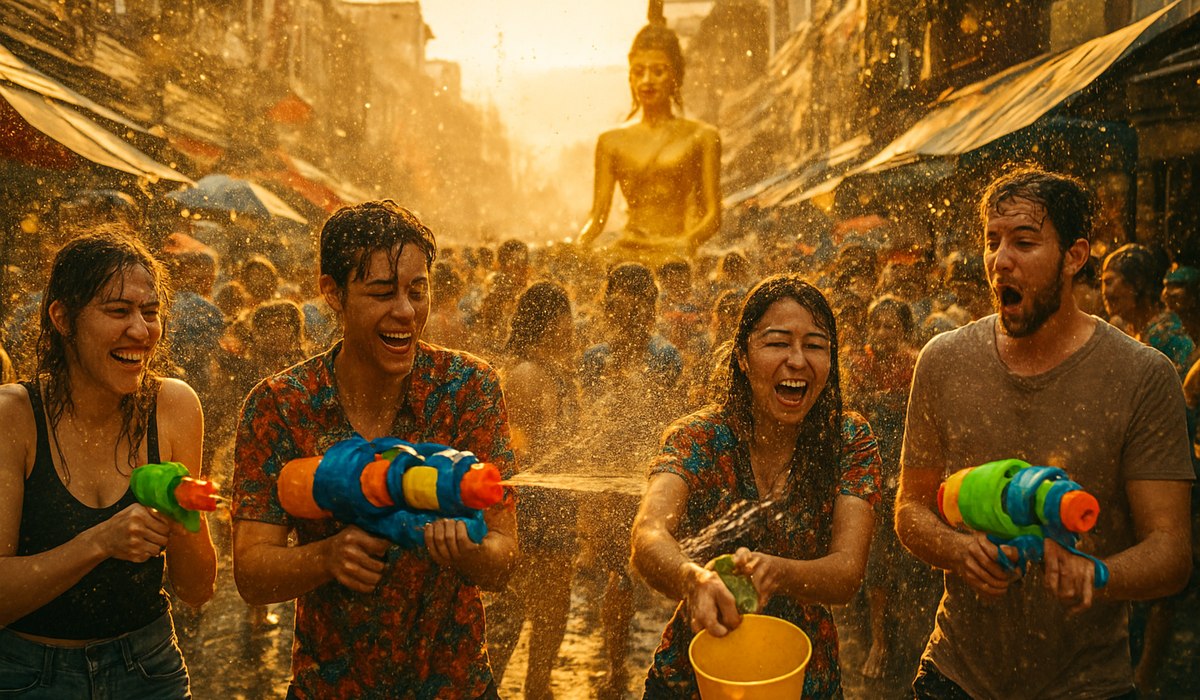
Image generated by AI
Thailand's Songkran Festival: The World's Largest Water Fight Returns
Thailand's Songkran Festival officially opens on April 13, 2026, transforming the kingdom into the planet's most exuberant aquatic celebration. What begins as a single day extends into a three-week phenomenon where residents and travelers alike drench each other in streets, parks, and public squares nationwide. This isn't merely a festival—it's a cultural watershed moment where water Thailand world traditions collide with modern tourism, creating memories that span continents and generations.
The festival draws millions of participants who embrace buckets, water guns, and hoses to engage in what locals and visitors agree is humanity's most joyful mass gathering. Bangkok becomes the epicenter, though celebrations ripple through Chiang Mai, Phuket, and smaller provinces with equal enthusiasm and soaking-wet abandon.
What is Songkran Festival?
Songkran traces its origins to Buddhist traditions celebrating Thai New Year, historically aligned with other Southeast Asian cultures' lunar calendars. The name derives from Sanskrit, meaning "transformation" or "passage." Originally, the celebration lasted three days—now officially expanded to one week, with unofficial festivities extending three weeks to accommodate travelers returning home and extended holiday schedules.
The festival's spiritual foundation centers on purification symbolism. Water represents cleansing of past sins and misdeeds, offering participants a metaphorical fresh start. However, the underlying joy transcends religious boundaries. Younger generations and international visitors embrace Songkran for its uninhibited celebration of community, regardless of socioeconomic status or nationality. Everyone becomes equal under the spray—a principle few other global festivals achieve so thoroughly.
Traditional practices alongside modern revelry create layered experiences. Temple visits and merit-making ceremonies occur during daylight hours, while evenings feature street parties, live music, and water-soaked dancing. Learn more about this cultural phenomenon through Thailand's official tourism board.
The World's Largest Water Fight
Nothing quite compares to experiencing the world's largest water fight firsthand. Bangkok's streets transform into aquatic battlegrounds where ordinary commuters become temporary warriors. Sidewalk vendors selling water buckets and colored powder (a playful enhancement called "talc") strategize alongside elephants occasionally participating in festivities through sanctioned tourism operations.
Pickup trucks converted into mobile water tanks cruise main thoroughfares, their occupants armed with hoses directing torrents at cheering crowds. Pedestrians retaliate with buckets, slingshots, and water pistols, creating scenes of delightful chaos impossible to witness elsewhere. The largest fight occurs during peak hours in Silom and Sukhumvit districts, where congestion sometimes halts entirely due to the sheer volume of celebrants.
International audiences frequently underestimate water Thailand world's intensity. Unlike water parks confined to specific zones, Songkran engulfs entire cities. Safety considerations exist—designated festival zones provide controlled environments for families, while spontaneous street celebrations offer rawer experiences for adventurous travelers. The Festival is happening across multiple venues simultaneously, accommodating different comfort levels and preferences.
Check TripAdvisor's Thailand Travel Guides for current venue information and traveler reviews.
Beyond Bangkok: Where to Experience Songkran
While Bangkok dominates international attention, Thailand's regional celebrations offer authentic alternatives with distinct characteristics. Chiang Mai hosts the festival with spiritual emphasis, combining temple visits with street festivities. Local traditions remain stronger here, offering cultural depth versus pure water-soaked pandemonium.
Phuket delivers resort-integrated celebrations where beachfront hotels organize sanctioned water activities, appealing to families preferring structured environments. The island's Bangla Road becomes a carnival of international travelers, creating cosmopolitan rather than traditionally Thai atmospheres.
Sukhothai Historical Park provides unique settings where participants drench each other amid ancient temple ruins—imagine soaking wet surrounded by 800-year-old architecture. Pai, a mountain town popular with backpackers, embraces bohemian interpretations of the festival, featuring desert-themed parties and eclectic international communities celebrating together.
Smaller provincial towns like Lampang maintain community-centered traditions where locals welcome tourists into family celebrations, offering authentic cultural exchanges rarely available in tourist centers. Each location fundamentally transforms during this period, becoming temporary capitals of celebration.
Best Time to Visit
April 13 represents the official start, though the festival optimally runs through April 30 for maximum participation and enthusiasm. Early days feature more controlled festivities as participants acclimate. Mid-festival weeks (April 17-25) showcase peak intensity when populations peak and celebrations reach fever pitch.
Late-festival period (April 26-May 2) attracts travelers seeking less frenzied alternatives while still experiencing authentic celebrations. Weather patterns matter—April temperatures soar toward 35-38°C (95-100°F), making water immersion physically necessary beyond cultural tradition. Pre-dawn and post-sunset hours offer respite from afternoon heat while maintaining celebration momentum.
Booking accommodations immediately proves essential, as hotels reach full occupancy weeks before April 13. Flights to Bangkok, Chiang Mai, and Phuket increase significantly in price. Planning advance reservations and travel insurance—accidents occasionally occur during festivities—demonstrates practical wisdom. The festival doesn't conclude abruptly; momentum continues throughout April's final weeks.
How to Get There
Bangkok serves as the primary gateway for international travelers, with Suvarnabhumi International Airport receiving flights from every continent. Thai Airways, foreign carriers, and budget airlines offer competitive pricing, though April demand inflates fares substantially.
Regional airports in Chiang Mai, Phuket, and Hat Yai provide alternatives, reducing transfer times for those targeting specific festival locations. Domestic flights connect major cities, facilitated by budget carriers like Nok Air and AirAsia. Ground transportation options include extensive bus networks, trains, and rental vehicles—though driving during peak festival weeks invites considerable challenges due to congestion.
Within cities, tuk-tuks, Grab (Southeast Asia's rideshare platform), and local buses provide movement, though water-soaked streets sometimes disable services temporarily. Tourist police maintain heightened presence during festivities, assisting navigation and addressing safety concerns. Some travelers opt for organized tour packages including accommodation, transportation, and guided experiences, reducing logistics burden.
Immigration procedures remain standard year-round. Visa requirements depend on nationality—many countries receive 30-60 day visa exemptions, while others require tourist visas arranged beforehand through Thai consulates.
Travel Tips for Festival Participants
Successful Songkran experiences require practical preparation beyond enthusiasm:
Waterproofing Strategy: Invest in waterproof bags protecting phones, cameras, and crucial documents. Dry bags, waterproof cases, and plastic wrapping prevent costly damage. Many travelers discover water damage ruins technology permanently.
Hydration & Sunscreen: Constant water exposure creates false hydration perception. Carry water bottles and electrolyte replacements. High UV intensity demands strong waterproof sunscreen reapplication every two hours minimum.
Cash Management: ATMs sometimes malfunction during peak days. Carry sufficient baht (Thai currency) and avoid displaying large quantities. Petty theft occasionally occurs amid crowding.
Clothing Choices: Wear quick-dry materials, lightweight fabrics, and secure footwear preventing slipping on wet pavement. Avoid electronics-heavy attire and remove jewelry vulnerable to loss or damage.
Festival Zone Selection: Research specific locations matching your tolerance levels. Family zones exist; party-centric zones cater differently. Safety varies significantly between official designated areas and spontaneous street celebrations.
Hydration for Pets: If traveling with animals, maintain constant cool water access and shade availability.
Disclaimer
This article is for informational and educational purposes only. It does not constitute legal, financial, or professional advice. While we strive to provide accurate and up-to-date information, travel policies, regulations, and conditions change rapidly. Always verify information with official sources before making travel decisions. Nomad Lawyer makes no representations about the accuracy, reliability, completeness, or suitability of the information provided. Readers should consult qualified professionals for advice specific to their circumstances. The views expressed in this article are those of the author and do not necessarily reflect the views of Nomad Lawyer.
Kunal K Choudhary
Co-Founder & Contributor
A passionate traveller and tech enthusiast. Kunal contributes to the vision and growth of Nomad Lawyer, bringing fresh perspectives and driving the community forward.
Learn more about our team →