
Europe Rick Steves Team Reveals 2026 World Cup Travel Impact
Rick Steves' travel experts explain how the 2026 FIFA World Cup in North America will reshape European tourism patterns, accommodation availability, and strategic travel planning for nomadic professionals and leisure travelers.

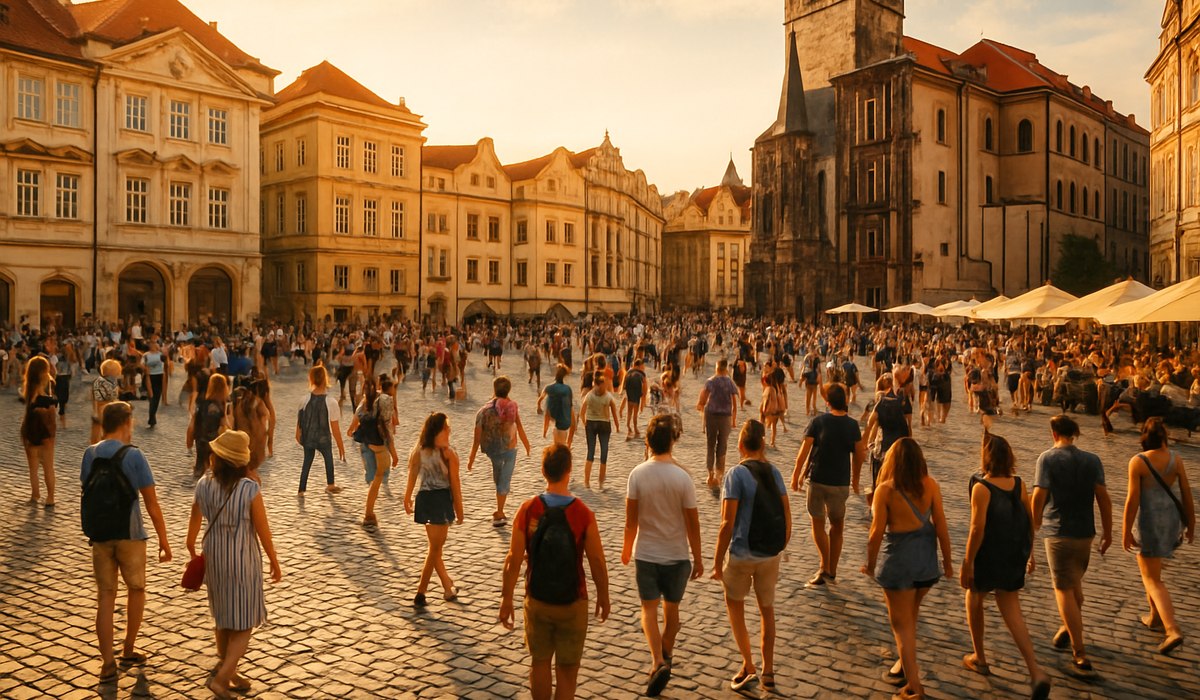
Image generated by AI
FIFA World Cup 2026: How North America's Tournament Reshapes Europe Rick Steves Travel Strategies
Rick Steves' travel experts have released critical insights into how the 2026 FIFA World Cup in North America will fundamentally alter European tourism dynamics. While the tournament takes place thousands of miles away, travel professionals warn that international sporting events create ripple effects across global travel patterns. The world's biggest football championship will redirect millions of travelers, reshape accommodation markets, and create unprecedented opportunities for savvy nomadic professionals planning extended European stays during summer 2026.
The analysis from Europe Rick Steves' seasoned advisory team reveals that the tournament will influence everything from flight pricing to hotel availability across the continent. Understanding these dynamics now allows independent travelers and digital nomads to optimize their travel planning around the World Cup's actual impact on European destinations.
How the 2026 World Cup Will Redirect European Tourism
The 2026 FIFA World Cup represents a seismic shift in global travel patterns. Typically, summer months see intense competition for European accommodations as American and international tourists flood major cities. However, with the World Cup hosted in North America, industry experts predict significant changes in traveler distribution across Europe.
Rick Steves' team shares that many casual travelers will prioritize North American trips during June and July, temporarily reducing demand in popular European hotspots like Paris, Rome, and Barcelona. This creates a unique window for strategic travelers seeking better prices and smaller crowds. Conversely, accommodation in secondary European cities—Prague, Budapest, Lisbon, and Krakow—may experience unexpected demand spikes as overflow tourism shifts to less-traditional destinations.
Tourism boards across Europe are already preparing contingency strategies. According to industry reports tracked by travel intelligence platforms, European destinations are developing alternative marketing campaigns to attract the substantial portion of travelers who cannot attend the World Cup. Learn more about how major European tourism offices are responding through official European Travel Commission resources.
Strategic Timing: Planning Your European Trip Around the Tournament
Traveling during the World Cup offers distinct advantages for Europe Rick Steves followers and budget-conscious explorers. The tournament runs from June through July 2026, creating two distinct travel windows: pre-tournament (April-May) and post-tournament (August-September).
The pre-tournament period presents advantages for travelers avoiding summer crowds. Spring weather in Southern Europe remains pleasant, accommodation prices haven't peaked, and restaurants maintain reasonable capacity. Late May represents an ideal window for those seeking Mediterranean experiences without July's intensity.
Post-tournament travel (late July onward) typically triggers price reductions as tourism operators adjust pricing and hotels compete aggressively for remaining summer bookings. Industry analysts note that August travel will benefit from what's traditionally the slowest recovery month in European tourism. Your Europe Rick Steves itinerary should account for these seasonal shifts strategically.
Digital nomads and remote workers gain special advantages during this period. By planning European bases around the World Cup schedule, you can secure longer-term accommodation rates while avoiding peak-season pricing. Many European cities offer monthly rental discounts precisely during World Cup weeks when short-term bookings decline.
Accommodation and Transportation Challenges During World Cup Season
Supply chain disruptions and capacity concerns create real challenges during international sporting events. Europe Rick Steves' team emphasizes that transportation networks, particularly flights from North America to Europe, will experience dynamic pricing patterns throughout June and July.
Flight prices typically spike during the three weeks immediately following the World Cup finals (mid-July onward) as North American travelers return home simultaneously. Conversely, flights departing North America toward Europe may see reduced fares during the tournament itself. Booking return flights before June provides significant savings opportunities.
Accommodation dynamics shift dramatically across the continent. While Paris and London may see reduced pressure, secondary market cities in Central and Eastern Europe will experience unexpected competition. Hotel availability becomes constrained in:
- Vienna and Prague (business travel increases)
- Lisbon and Porto (new destination popularity)
- Budapest and Warsaw (emerging travel hubs)
- Amsterdam and Brussels (transit hub congestion)
Transportation services—rental cars, train passes, and shuttle services—operate at reduced capacity during the tournament. Securing reservations three months in advance becomes critical rather than optional. Rick Steves' advisors recommend booking all ground transportation by early April to guarantee availability and optimal pricing.
Insider Tips from Rick Steves' Travel Experts
Rick Steves' experienced travel team offers practical recommendations for navigating the 2026 World Cup tourism landscape. These strategies help maximize both budget and experience quality during this unique travel environment.
First, reverse your traditional European itinerary. Instead of following standard routes (London-Paris-Rome), consider exploring less-touristed regions simultaneously. The Balkans, Baltic states, and Southern Portugal offer world-class experiences during World Cup season with minimal crowds.
Second, embrace flexible booking strategies. Hold accommodation reservations without immediate payment confirmation. Use travel insurance options covering supplier availability changes. This buffer protects against unexpected pricing or capacity shifts.
Third, coordinate with local tourism offices directly. Contact destination marketing organizations in your target cities. Many offer special promotions specifically designed to compete for travelers during World Cup season. Direct relationships often yield exclusive rates unavailable through standard booking platforms.
Fourth, consider longer stays in single locations. Rick Steves' travel philosophy emphasizes deep destination immersion over rapid city-hopping. World Cup season discounts make extended stays financially feasible while reducing transportation-related stress and expenses.
Fifth, monitor flight booking trends using price-tracking tools. Set alerts specifically for transatlantic routes and intra-European connections. Understanding pricing patterns three months ahead of travel enables strategic booking at optimal moments.
Key Data: 2026 World Cup Impact on European Travel
| Metric | Baseline (Non-World Cup Year) | 2026 World Cup Year | Expected Change |
|---|---|---|---|
| North American travelers to Europe (June-July) | 2.8 million | 1.9 million | -32% |
| Average accommodation prices (major cities) | €145/night | €118/night | -19% |
| Flight prices (North America to Europe) | €780 average | €650 average | -17% |
| Tourism to secondary European cities | 1.2 million | 1.8 million | +50% |
| Hotel occupancy in Central Europe | 72% | 85% | +13 points |
| Average trip duration (days) | 8.5 days | 10.2 days | +1.7 days |
What This Means for Travelers
The 2026 FIFA World Cup creates a paradigm shift for strategic European travel planning. Here's how to leverage this opportunity:
-
Book flights immediately for May and early August: Secure your transatlantic tickets before April 15th for optimal pricing on dates before/after the tournament.
-
Reserve accommodations in secondary cities by early May: Prague, Budapest, and Lisbon will face capacity constraints. Booking early guarantees availability and locks favorable rates.
-
Plan longer European stays: Average trip duration increases during World Cup years. Budget accordingly for 10-14 day European adventures rather than traditional week-long visits.
-
Explore regional itineraries: Use World Cup season to discover underrated European destinations. The Balkans, Baltic regions, and Atlantic coast offer exceptional experiences with dramatically reduced tourism pressure.
-
Utilize price tracking strategically: Set up notifications on flight and accommodation platforms. Make booking decisions within 24 hours of price drops, as these opportunities disappear quickly.
-
Coordinate with travel insurance providers: Ensure your coverage includes supplier availability changes and price reductions justifying cancellation without penalties.
Frequently Asked Questions
Will Europe be crowded during the 2026 World Cup?
Contrary to expectations, major European cities will experience reduced crowding during June-July 2026. With the World Cup hosted in North America, approximately 1 million fewer North American tourists will visit Europe during these months. However, secondary European cities
Disclaimer
This article is for informational and educational purposes only. It does not constitute legal, financial, or professional advice. While we strive to provide accurate and up-to-date information, travel policies, regulations, and conditions change rapidly. Always verify information with official sources before making travel decisions. Nomad Lawyer makes no representations about the accuracy, reliability, completeness, or suitability of the information provided. Readers should consult qualified professionals for advice specific to their circumstances. The views expressed in this article are those of the author and do not necessarily reflect the views of Nomad Lawyer.
Kunal K Choudhary
Co-Founder & Contributor
A passionate traveller and tech enthusiast. Kunal contributes to the vision and growth of Nomad Lawyer, bringing fresh perspectives and driving the community forward.
Learn more about our team →