
Solo Travel Trends 2026: Industry Shifts and Strategic Itinerary Planning Methods for Independent Global Tourism
Discover the latest solo travel trends for 2026. Learn how independent global tourism is changing and get our strategic itinerary planning blueprint.

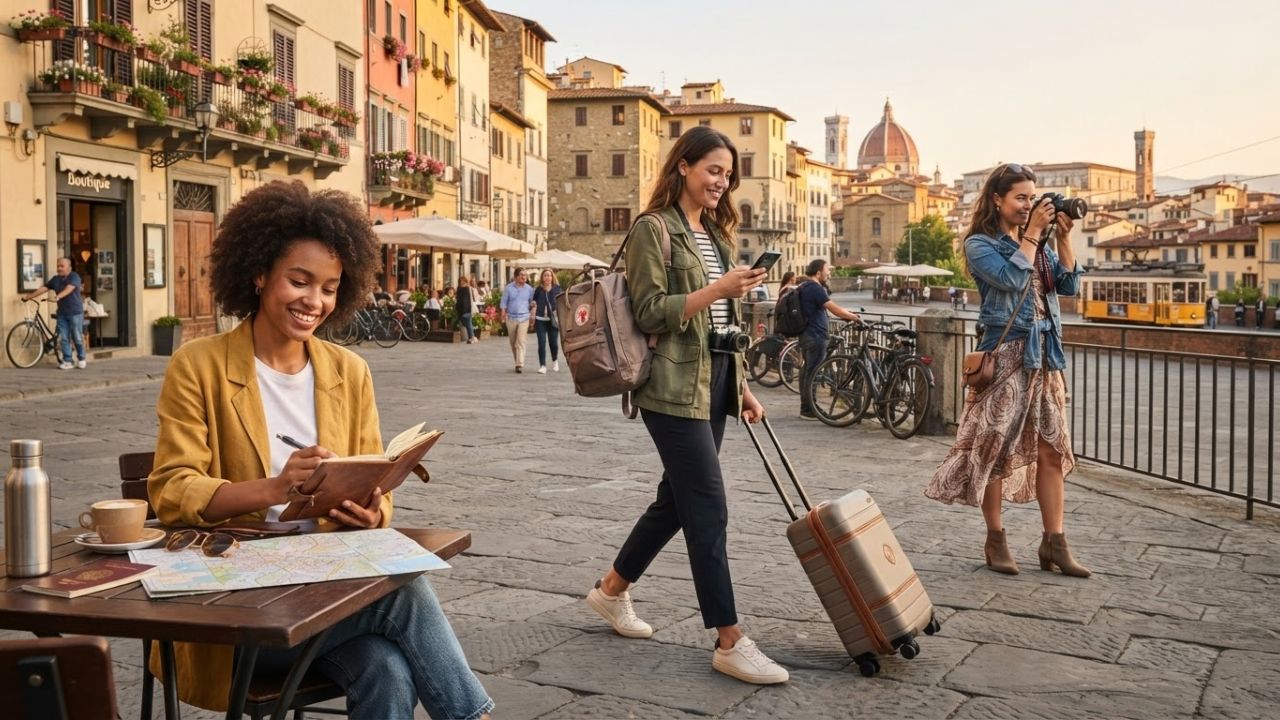
Image generated by AI
Solo Travel Trends 2026: Industry Shifts and Strategic Itinerary Planning Methods for Independent Global Tourism
SEO Title: Solo Travel Trends 2026: Strategic Itinerary Planning Tips Meta Description: Explore the newest 2026 solo travel trends. Master independent global tourism with strategic itinerary planning, budgeting guidelines, and safety tips. Slug: /solo-travel-trends-stress-free-itinerary-planning-2026 Standfirst: Independent global tourism is experiencing a significant surge as travelers prioritize autonomy and localized experiences. Industry data indicates a growing shift toward self-directed pacing, supported by modern digital safety platforms and strategic itinerary design.
Article
[New York, July 9, 2026] — This solo travel guide outlines the essential strategies for planning a stress-free itinerary, reflecting a major shift in how independent travelers explore global destinations. Venturing into the world alone provides an opportunity for personal development and self-reliance. While traveling with companions offers shared memories, solo exploration provides a distinct atmosphere of complete autonomy and self-directed pacing.
Demographics Pivot Towards Individual Exploration Networks
The travel sector is undergoing a structural realignment as independent travel transitions from a niche interest to a major tourism driver. This transformation is driven by flexible working patterns, improved digital connectivity, and a consumer desire for authentic cultural immersion.
According to Sandeep Arora, director of Brightsun Travel India, the travel industry is seeing this segment gain massive traction. More people are choosing to explore destinations independently, seeking self-discovery and the flexibility to determine their own schedules. This behavior highlights a clear shift toward individual travel priorities.
While traveling alone provides unmatched freedom, it also places all planning responsibilities on a single person. Without a companion to share logistics, travelers can suffer from choice fatigue. Successful trips require a balanced approach to planning that preserves flexibility while establishing a secure logistical foundation.
Five Phase Blueprint for Designing a Stress-Free Journey
To optimize the traveler experience and prevent logistical friction, industry analysts recommend a structured planning methodology. Following these steps helps minimize travel anxiety and ensures a seamless transition between destinations.
-
Establish a Categorized Financial Plan: Itinerary planning must begin with a comprehensive financial assessment rather than destination mapping. Travelers should divide their total budget into specific pools, including airline tickets, hotel reservations, local transit, dining, excursions, and shopping. Maintaining an emergency buffer fund is essential for managing unplanned travel expenses.
-
Conduct Structural Local Research: Destination research should go beyond basic lists of popular monuments. Travelers must investigate regional transit networks, local weather trends, neighborhood layouts, and museum opening hours. Selecting accommodation in central, well-connected areas near medical services and transport links improves daily mobility.
-
Consolidate Activities by Neighborhood: A frequent mistake among first-time independent travelers is planning visits to geographically distant attractions on the same day. A more efficient strategy involves clustering activities within a single neighborhood. Grouping a morning market visit, a museum tour, and a cafe stop in one area reduces transit fatigue and saves transportation costs.
-
Incorporate Open Schedule Buffers: Over-scheduling itineraries often leads to exhaustion and stress. It is recommended to plan only one primary event, one secondary activity, and one optional sightseeing destination per day. This approach leaves enough room to accommodate train delays, long entrance queues, or spontaneous local detours.
-
Share Information and Maintain Document Backups: Personal security must be integrated into the travel itinerary from the beginning. Send daily flight details, hotel confirmations, and planned routes to a trusted contact. Keep offline digital scans of passports, visas, insurance policies, and boarding passes on a phone, while storing printed backups in a separate travel bag.
Localized Neighborhood Research and Traveler Safety Verification
Proactive research forms the baseline of any successful trip. Independent travelers need to monitor local government travel advisories, public health announcements, and weather patterns before departure. Choosing lodging with positive community reviews and security features, such as 24-hour lobbies, provides peace of mind.
Additionally, understanding how local transport networks operate at night is critical. Knowing which metro lines shut down early or where official taxi stands are located prevents travelers from finding themselves in vulnerable positions. These precautions ensure safety remains a constant priority during independent journeys.
Integration of Digital Navigation Tools in Modern Tourism
Tourism has evolved significantly compared to the era of printed maps and static guidebooks. Modern itinerary design relies on real-time data, crowdsourced safety updates, and automated translation tools.
These digital services have made local transportation systems more transparent, allowing travelers to navigate complex routes with ease. Smartphone applications provide instant access to emergency services and localized translation, reducing barriers to communication. As a result, independent travel has become safer and more accessible for global tourists.
Data Table
The table below outlines the planning metrics and focus areas for independent travelers:
| Planning Step | Focus Area | Actionable Recommendation | Safety Protocol |
|---|---|---|---|
| 1. Budget Assessment | Financial Foundation | Segment funds (flights, hotels, transport) | Maintain a separate emergency cash reserve |
| 2. Local Research | Area Logistics | Select central lodging near pharmacies | Document local hospital and embassy locations |
| 3. Geographic Clustering | Transit Reduction | Consolidate visits within single neighborhoods | Avoid isolated routes during evening hours |
| 4. Flexible Scheduling | Fatigue Mitigation | Limit itineraries to one major activity daily | Allow buffer periods for transport delays |
| 5. Information Sharing | Security Preparation | Carry printed copies of travel documents | Share daily itineraries with emergency contacts |
Key Takeaways
- Autonomy Focus: Solo travel is growing as a mainstream segment, driven by digital connectivity and a desire for flexible schedules.
- Structured Budgeting: Establishing a clear financial breakdown and buffer fund is essential before booking flights or accommodation.
- Geographic Grouping: Consolidating tourist attractions by neighborhood reduces physical fatigue and transit costs.
- Safety Protocols: Sharing itineraries with emergency contacts and securing digital backups of travel documents are vital precautions.
Why This Matters
Our analysis indicates that the growth of independent travel is reshaping the hospitality and aviation sectors. Airlines are adjusting their ticket offerings to appeal to single travelers, while hotels are expanding single-occupancy rooms and co-working spaces. This shift suggests that travel service providers must move away from family-centric bundles toward customized, flexible options.
Additionally, the reliance on real-time data and safety apps has altered how destinations manage visitor flows. Tourism boards are investing in localized digital guides and public safety networks to attract independent explorers. By understanding these trends, travelers can navigate new environments with confidence, ensuring their trips remain both enriching and secure.
FAQ
What is the best way to start planning a solo trip? Start by setting a firm budget and dividing it into categories like lodging, transport, and food, before researching destinations and booking flights.
How do I ensure my safety when traveling alone? Always share your daily itinerary and lodging details with a contact at home, keep copies of your documents in multiple locations, and stay in well-connected neighborhoods.
How can I avoid feeling overwhelmed by travel decisions? Use a geographical grouping strategy to visit attractions in the same neighborhood on the same day, and limit your itinerary to one main activity per day.
Related Travel Guides
- AAA July 4th Travel Alert 2026: Peak Hours to Avoid and Highway Safety Tips for Independence Day Road Trips
- America250 Tourism Surge: Philadelphia, Norfolk, and Maricopa Counties Lead Heritage Travel Growth in 2026
- Anglesey Welsh Coast: Coastal Tourism Boom and Environmental Protection Strategies in Wales for 2026
Disclaimer
This article is for informational and educational purposes only. It does not constitute legal, financial, or professional advice. While we strive to provide accurate and up-to-date information, travel policies, regulations, and conditions change rapidly. Always verify information with official sources before making travel decisions. Nomad Lawyer makes no representations about the accuracy, reliability, completeness, or suitability of the information provided. Readers should consult qualified professionals for advice specific to their circumstances. The views expressed in this article are those of the author and do not necessarily reflect the views of Nomad Lawyer.
Preeti Gunjan
Contributor & Community Manager
A passionate traveller and community builder. Preeti helps grow the Nomad Lawyer community, fostering engagement and bringing the reader experience to life.
Learn more about our team →