
Smiths Detection Secures TSA Level 2AB Certification for AI-Powered Airport Security Screening in 2026
Smiths Detection has earned the TSA Level 2AB certification for its AI-driven prohibited item detection software, aiming to accelerate US airport security checkpoints.

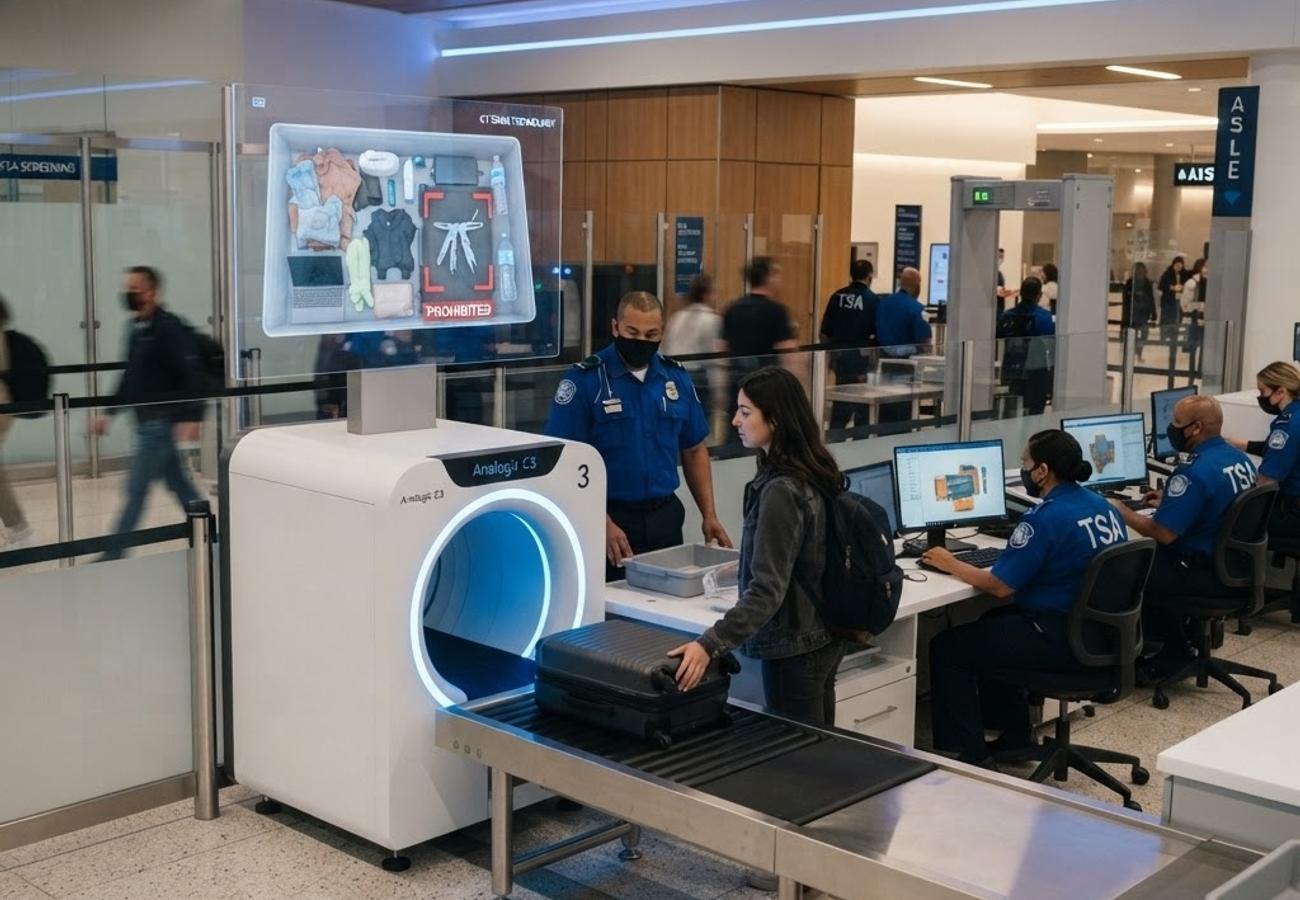
Image generated by AI
US airport security is moving toward an automated future as Smiths Detection secures the TSA Level 2AB certification for its AI-driven prohibited item detection software. This regulatory milestone allows the technology to be deployed across United States airport checkpoints to identify explosives and other threats with higher precision.
The certification confirms that the software adheres to the strict mandates set by the Transportation Security Administration (TSA) for explosives detection. By integrating artificial intelligence into the screening workflow, the system aims to resolve the long-standing tension between rigorous security protocols and the need for rapid passenger throughput.
Advanced AI Integration in US Airport Checkpoints
The newly certified software is engineered to optimize security performance by automating the identification of prohibited items. This shift toward AI-driven analysis is intended to create a more seamless experience for travelers, reducing the friction often associated with manual baggage inspections.
By meeting the Level 2AB requirements—the highest standard for prohibited item detection—the technology provides aviation authorities and airport operators with a tool that increases both the reliability and accuracy of threat detection. This is particularly vital as US airports face record passenger volumes and an evolving landscape of security threats.
Synergy Between CT Imaging and Machine Learning
The software does not operate in isolation; it is designed to function in tandem with Smiths Detection’s computed tomography (CT) screening systems. While CT scanners provide high-resolution, three-dimensional images of carry-on luggage, the AI software provides the analytical layer necessary to interpret those images in real time.
Through the application of advanced machine learning, the system scans detailed baggage images and automatically flags items that match the profiles of prohibited materials. This allows security personnel to immediately identify high-risk bags that require a physical secondary inspection, rather than relying solely on human ocular analysis of complex images.
The operational impact is a significant reduction in "false alarms" and unnecessary manual bag searches. When the AI highlights a specific area of concern, operators can focus their attention precisely where it is needed, which minimizes delays and streamlines the overall journey for the passenger.
Modernizing Aviation Security Infrastructure
The achievement of the TSA Level 2AB certification marks a pivotal step in the modernization of aviation infrastructure. As global travel demand surges, the reliance on manual screening becomes a bottleneck that can compromise both efficiency and safety.
Philip Tackett, Ph.D., VP of Technology at Smiths Detection Inc, emphasized that this milestone reflects the robustness of the company's automated detection capabilities and supports the TSA's broader mission to modernize passenger checkpoints.
The integration of these intelligent solutions suggests a future where automation handles the bulk of primary screening, leaving human agents to manage complex resolutions. This hybrid approach strengthens the defense against emerging threats while ensuring that the airport experience does not degrade under the pressure of increased traffic.
Strengthening the US Aviation Security Network
Smiths Detection already maintains a significant footprint of CT screening systems across the United States. This latest software certification enhances the utility of that existing hardware, effectively upgrading the "brain" of the security systems without requiring a complete overhaul of the physical machinery.
By improving decision-making support for security teams, the software reduces the cognitive load on TSA officers, who must maintain high levels of vigilance over thousands of bags daily. The result is a more consistent security posture across different airports and shifts.
Why This Matters: The Impact on the Modern Traveler
For the frequent traveler or the digital nomad, this technological shift translates to a tangible change in the airport experience. The primary pain point of airport security has always been the unpredictability of the "random" search and the slow pace of manual screening.
From a logistical standpoint, the move to AI-driven Level 2AB certified screening means fewer bags are pulled aside for manual inspection unless there is a high-probability threat. This reduces the likelihood of missed flights due to security bottlenecks and decreases the stress associated with the checkpoint process.
Furthermore, from a security perspective, AI does not suffer from fatigue. While a human screener may experience a lapse in concentration after several hours of monitoring screens, a machine learning algorithm maintains the same level of scrutiny for every single bag. This creates a more equitable and secure environment where safety is not dependent on the alertness of a single individual.
The transition to AI-certified screening marks the end of the manual-first era of aviation security.
Related Travel Guides
Disclaimer
This article is for informational and educational purposes only. It does not constitute legal, financial, or professional advice. While we strive to provide accurate and up-to-date information, travel policies, regulations, and conditions change rapidly. Always verify information with official sources before making travel decisions. Nomad Lawyer makes no representations about the accuracy, reliability, completeness, or suitability of the information provided. Readers should consult qualified professionals for advice specific to their circumstances. The views expressed in this article are those of the author and do not necessarily reflect the views of Nomad Lawyer.
Raushan Kumar
Founder & Lead Developer
Full-stack developer with 11+ years of experience and a passionate traveller. Raushan built Nomad Lawyer from the ground up with a vision to create the best travel and law experience on the web.
Learn more about our team →