
Smiths Detection Earns TSA Level 2AB Certification for AI Carry-On Screening Software
Smiths Detection has achieved TSA Level 2AB certification for its AI-driven prohibited item detection software deployed across US airport CT screening systems.

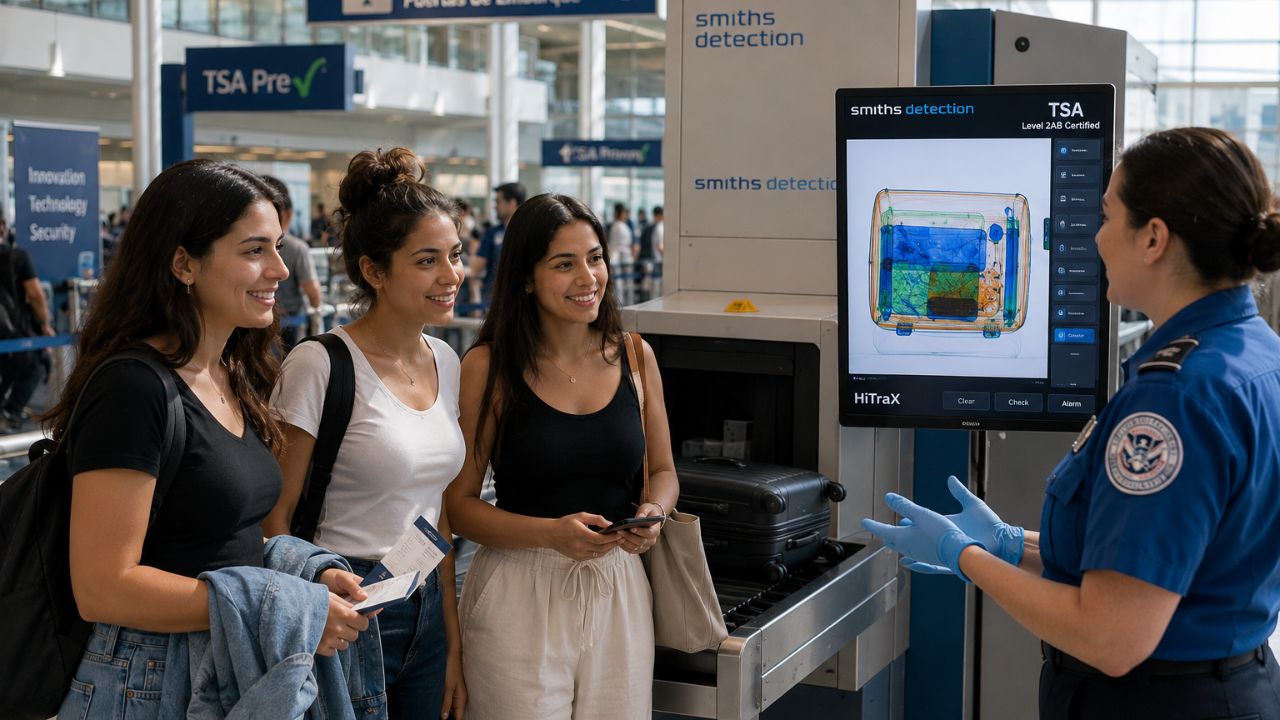
Image generated by AI
Smiths Detection has achieved Transportation Security Administration (TSA) Level 2AB certification for its artificial intelligence-driven prohibited item detection software, enabling automated explosives screening across U.S. airport checkpoints.
[WASHINGTON] — Aviation security technology provider Smiths Detection Inc. has secured official TSA Level 2AB certification for its advanced automated threat detection software. The certification verifies that the company's algorithm meets the Transportation Security Administration's highest operational requirements for explosives detection across U.S. airport checkpoints. Integrated directly with computed tomography (CT) baggage screening systems, the software uses machine learning to analyze high-resolution 3D carry-on luggage scans in real time, reducing manual bag inspections while accelerating passenger throughput.
Technical Architecture of TSA Level 2AB Certified Software
The Level 2AB certification represents the highest regulatory benchmark for automated threat detection algorithms deployed at U.S. passenger checkpoints.
When integrated into Smiths Detection's computed tomography (CT) screening hardware, the software applies machine learning algorithms to evaluate three-dimensional volumetric images of carry-on bags as they pass through the scanner belt.
The algorithm scans for prohibited items, explosives, and dense materials simultaneously, automatically flagging suspicious bags on security monitoring displays. By isolating high-risk luggage instantly, the system reduces the need for routine manual bag searches by transportation security officers.
TSA Level 2AB Algorithmic Workflow:
├── CT Scanner Capture: High-resolution 3D volumetric X-ray scanning of carry-on bags
├── Real-Time AI Analysis: Machine learning algorithm evaluates bag density & threat profiles
├── Automated Flagging: System highlights target prohibited items on operator screens
└── Targeted Inspection: Security officers inspect only system-flagged bags, reducing manual checks
Operational Checkpoint Efficiency and Passenger Flow Improvements
Integrating Level 2AB certified software addresses growing passenger volume pressures across major U.S. hub airports.
Traditional screening procedures require security officers to evaluate 2D or basic 3D images manually, leading to checkpoint queues during peak travel windows. The certified automated software evaluates complex bag contents in real time, maintaining security standards while accelerating lane processing speeds.
Targeted automated flagging allows security teams to focus manual inspections exclusively on bags identified by the algorithm, reducing wait times for travelers without compromising safety standards.
Checkpoint Efficiency Gains:
├── Automated Filtering: System filters out clear carry-on bags instantly
├── Reduced Manual Searches: Minimizes unnecessary physical bag opens
├── Operator Support: Displays precise threat location coordinates for screeners
└── Increased Throughput: Higher hourly passenger processing capacity per lane
Executive Perspectives on Aviation Security Modernization
Achieving Level 2AB approval reinforces the role of artificial intelligence in federal checkpoint modernization programs.
Philip Tackett, Ph.D., Vice President of Technology at Smiths Detection Inc., emphasized that achieving TSA Level 2AB certification marks a milestone for automated checkpoint protection and reflects the maturity of machine learning detection algorithms.
The certification builds upon Smiths Detection's existing footprint of CT screening systems deployed at airports throughout the United States, positioning the technology as a core component of the TSA's ongoing passenger checkpoint modernization initiatives.
| Technical Parameter | Certification Specification | Operational Impact |
|---|---|---|
| Certification Standard | TSA Level 2AB Prohibited Item Software | Meets highest US explosives detection requirements |
| Primary Hardware Interface | Computed Tomography (CT) Scanners | High-resolution 3D volumetric image analysis |
| Core Technology | Machine Learning & AI Threat Detection | Real-time automated threat identification |
| Operational Focus | US Airport Passenger Checkpoints | Reduced manual bag opens & faster throughput |
| Target Screening Elements | Explosives, prohibited items, dense materials | Precise coordinate flagging on operator screens |
| Executive Leadership | Philip Tackett, Ph.D., VP Technology | Alignment with TSA checkpoint modernization |
Strategic Economic and Security Impact Analysis
Deploying Level 2AB certified AI software delivers dual advantages for airport operators and federal security agencies.
From a public safety perspective, machine learning algorithms eliminate human fatigue factors during high-volume screening operations, ensuring consistent detection standards regardless of passenger surge volumes.
From an airport operational standpoint, accelerating checkpoint lane throughput minimizes physical terminal congestion. Faster security processing improves passenger satisfaction and increases dwell time in post-security retail, dining, and airline lounge areas.
Why This Matters for Airline Passengers, Airports, and TSA Operations
Synthesizing Smiths Detection's TSA Level 2AB certification outlines key practical advantages across aviation travel:
- For Airline Passengers: AI-assisted CT screening means fewer manual bag searches, allowing travelers to pass through checkpoint lanes faster without removing liquids or electronics in CT-equipped lanes.
- For Airport Operators: Automated threat detection increases passenger throughput capacity per security lane, reducing terminal queue spillover during peak departure banks.
- For TSA Security Officers: Real-time algorithmic image evaluation provides screener decision support, allowing officers to focus physical inspections on verified threat alerts.
Related Travel Guides
Disclaimer
This article is for informational and educational purposes only. It does not constitute legal, financial, or professional advice. While we strive to provide accurate and up-to-date information, travel policies, regulations, and conditions change rapidly. Always verify information with official sources before making travel decisions. Nomad Lawyer makes no representations about the accuracy, reliability, completeness, or suitability of the information provided. Readers should consult qualified professionals for advice specific to their circumstances. The views expressed in this article are those of the author and do not necessarily reflect the views of Nomad Lawyer.
Raushan Kumar
Founder & Lead Developer
Full-stack developer with 11+ years of experience and a passionate traveller. Raushan built Nomad Lawyer from the ground up with a vision to create the best travel and law experience on the web.
Learn more about our team →