
Slovakia Suspends Schengen Visa Applications for Russian Tourists in 2026 Amid Travel Shifts
Slovakia has implemented a temporary freeze on Schengen visa applications for Russian citizens, creating significant hurdles for travelers using the country as a gateway to Europe.

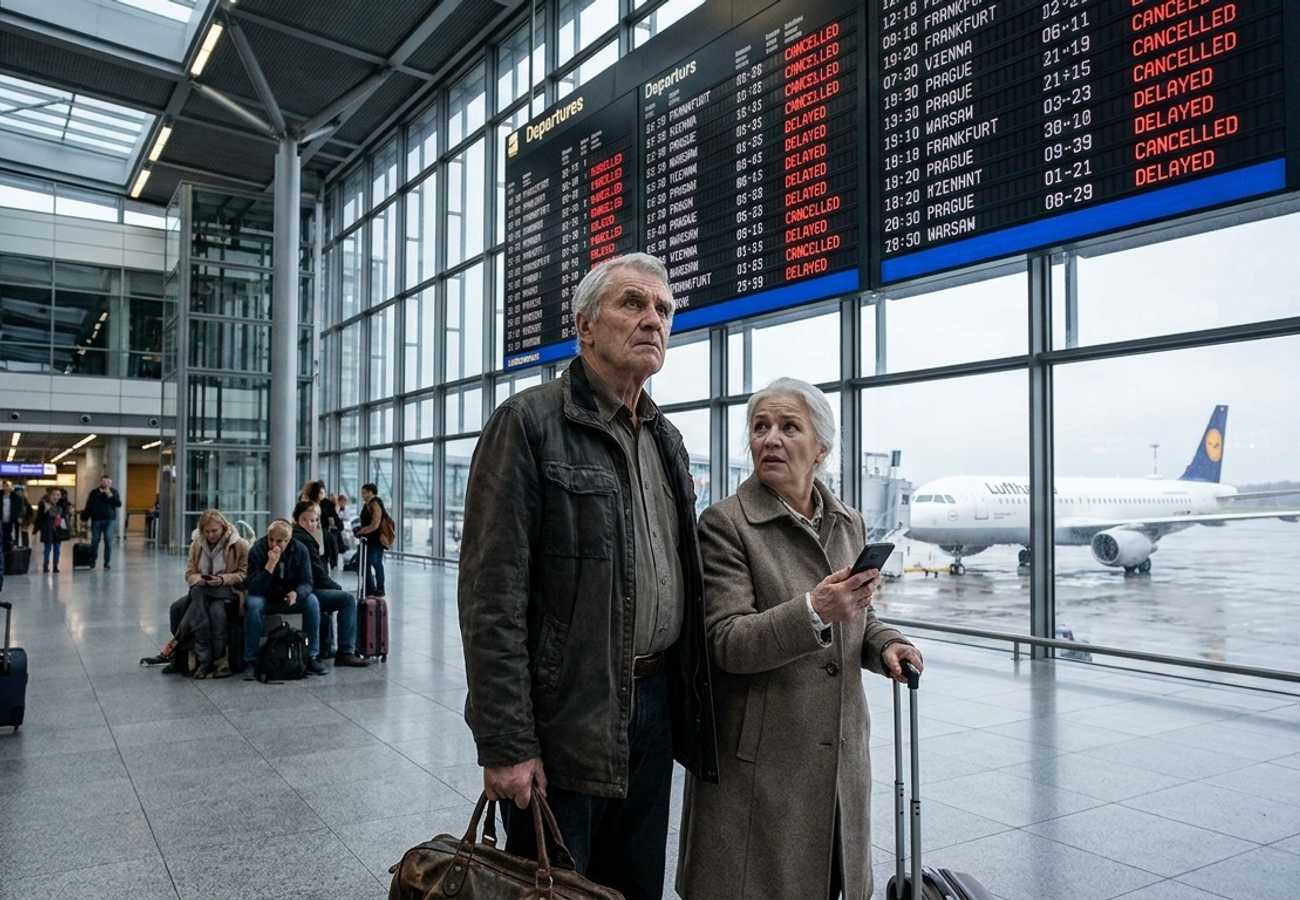
Image generated by AI
Slovakia has fundamentally altered its entry requirements by temporarily suspending the processing of Schengen visa applications for Russian tourists. This policy shift places the nation at the center of a broader European travel disruption, removing a key entry point for Russian citizens seeking access to the Schengen Area.
The decision creates immediate uncertainty for international travelers who rely on Slovakia as a strategic gateway into Central Europe. Because visa availability is the primary driver of travel planning, this freeze is expected to ripple through the regional tourism economy.
Impact on Russian Travel Corridors and Planning
The suspension halts the standard application process that allows eligible Russian visitors to secure permission for entry. For many, Slovakia serves as a critical logistical node for broader European itineraries.
The ripple effects of this decision include:
- Disrupted Itineraries: Travelers who had already mapped out journeys through Bratislava or the High Tatras must now seek alternative entry points.
- Booking Volatility: A sudden lack of visa certainty typically leads to a surge in hotel and flight cancellations.
- Shift in Gateway Preference: Russian tourists may now pivot toward other Schengen member states that maintain active visa processing, altering the flow of tourism across the continent.
Risks to Slovakia’s Tourism Appeal
Slovakia has spent years positioning itself as a premier destination for nature-based and cultural tourism. The country's portfolio—ranging from the urban appeal of Bratislava to the rugged landscapes of the High Tatras—is designed to attract a global audience.
However, the ease of access is often as important as the destination itself. Long-distance travelers prioritize predictable visa regimes when choosing where to spend their holiday budgets. A temporary freeze can lead to a long-term perception of "accessibility risk," potentially steering high-spending tourists toward competing Central European destinations.
The Role of the Schengen System in Regional Recovery
The Schengen visa system is the backbone of European tourism, enabling seamless movement across borders once initial entry is granted. When a single member state alters its processing rules, it creates a bottleneck that affects the wider network.
Travel agencies and hospitality providers depend on the stability of these rules to build tour packages. The current instability in Slovakia’s visa processing means:
- Tour Operators: Must redesign packages to avoid Slovakia as the primary point of entry.
- Aviation Sector: May see a decline in bookings for flights landing in Bratislava from Russian hubs.
- Hospitality: Hotels in traditional Slovak regions may experience a drop in anticipated demand from the Russian market.
Strategic Shifts in Central European Tourism
The Central European market is currently competing for "authentic" tourism—wellness, heritage, and outdoor exploration. Russian tourists have historically been a significant segment of this demand.
Industry stakeholders are now monitoring whether this suspension is a short-term administrative pause or a longer-term geopolitical shift. If the freeze persists, Slovakian tourism boards may need to pivot their marketing strategies to aggressively target other emerging markets to offset the loss of Russian visitor spending.
Navigating the Evolving European Entry Environment
This development underscores a growing trend where government border policies and diplomatic priorities dictate the flow of global tourism. For the modern traveler, "visa agility"—the ability to quickly change destinations based on policy shifts—has become a necessity.
Travelers are advised to verify the current status of visa processing through official diplomatic channels before committing to non-refundable bookings. As Slovakia manages its border priorities, the international community remains focused on when, or if, the standard application process for Russian citizens will resume.
The intersection of border security and tourism growth continues to redefine the European travel map.
Related Travel Guides
Disclaimer
This article is for informational and educational purposes only. It does not constitute legal, financial, or professional advice. While we strive to provide accurate and up-to-date information, travel policies, regulations, and conditions change rapidly. Always verify information with official sources before making travel decisions. Nomad Lawyer makes no representations about the accuracy, reliability, completeness, or suitability of the information provided. Readers should consult qualified professionals for advice specific to their circumstances. The views expressed in this article are those of the author and do not necessarily reflect the views of Nomad Lawyer.
Kunal K Choudhary
Co-Founder & Contributor
A passionate traveller and tech enthusiast. Kunal contributes to the vision and growth of Nomad Lawyer, bringing fresh perspectives and driving the community forward.
Learn more about our team →